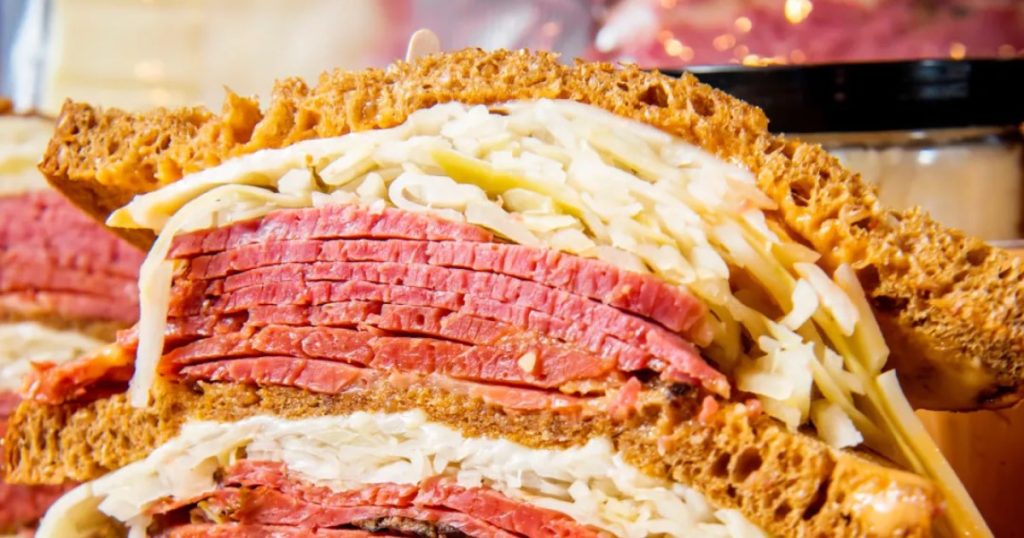
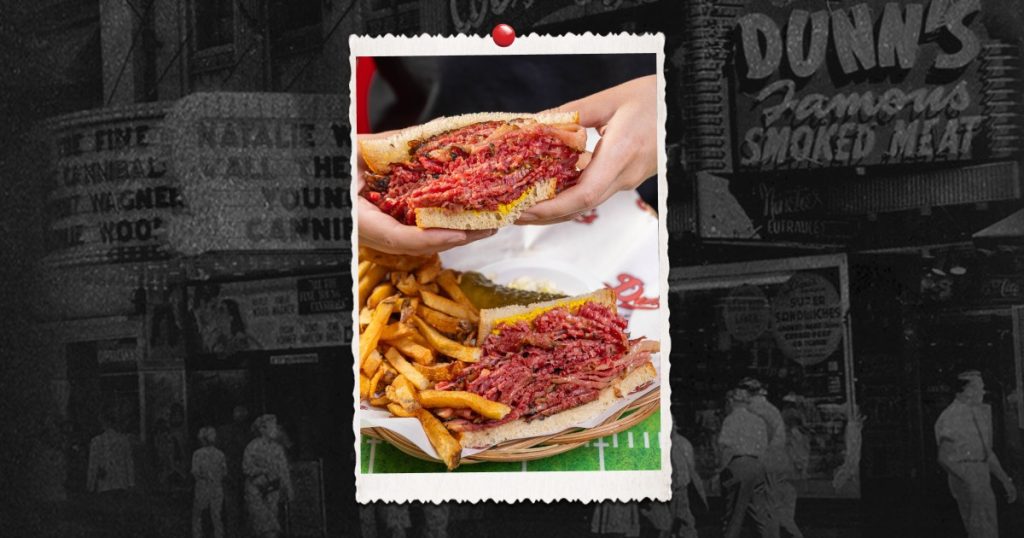
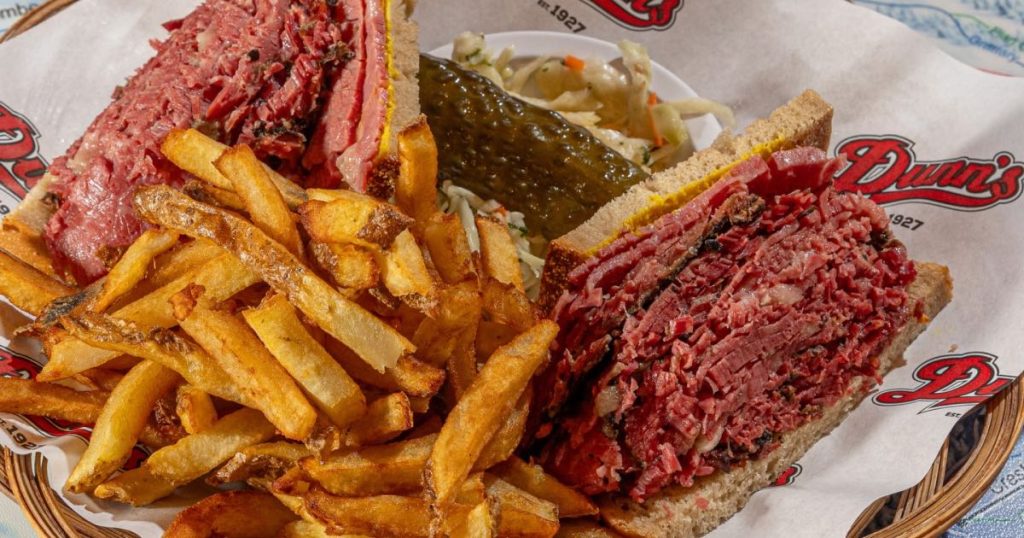
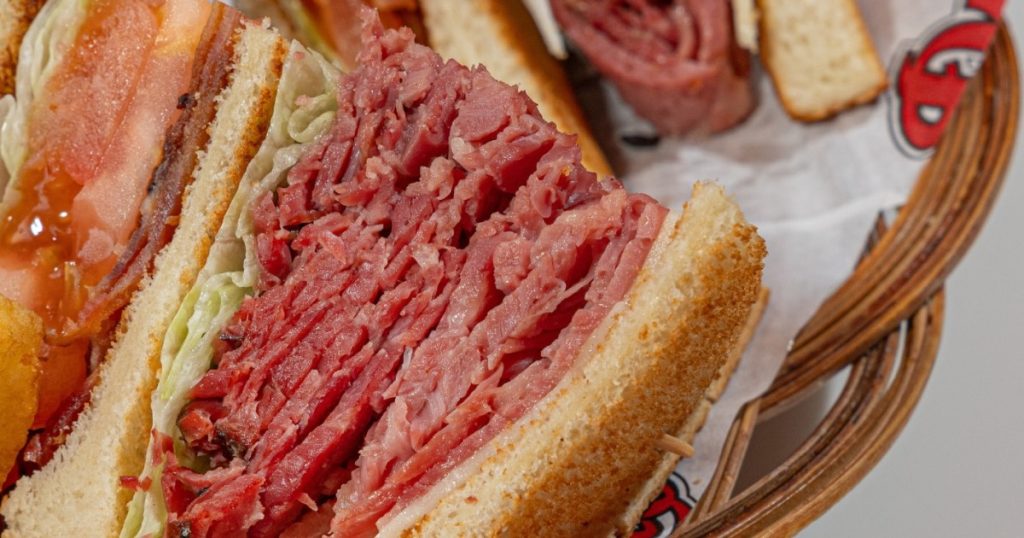
When people think about our city, the first thing that usually comes to mind is a giant, steaming sandwich piled high with spiced beef. While most locals have a favorite spot and a preferred way to order it, there is a lot of hidden history and science behind the scenes.
At Dunn’s Famous, we have been protecting these traditions since 1927, and we have noticed that even our most loyal fans are surprised by some of the facts about Montreal smoked meat.
If you are looking for the best smoked meat restaurant in Montreal, it helps to know exactly what goes into your meal. Here are five things you probably did not know about this legendary dish.
1. The Smoked Meat Origin Started with Goose
One of the most surprising parts of the smoked meat origin is that it was not always a beef dish. Back in the old country, specifically in Romania, Jewish butchers used these same curing and smoking techniques on goose breasts or mutton. When these families moved to Montreal in the late 1800s, they discovered that goose was much too expensive for the average working-class person.
To keep their traditions alive, they looked for the most affordable cut of meat they could find at the time, which was beef brisket. They found that by using their 14-day curing process on this tough cut of beef, they could turn it into something even more delicious than the original goose. This pivot is exactly what created the flavor we all love today.
2. The Dark Bark is a Flavor Magnet
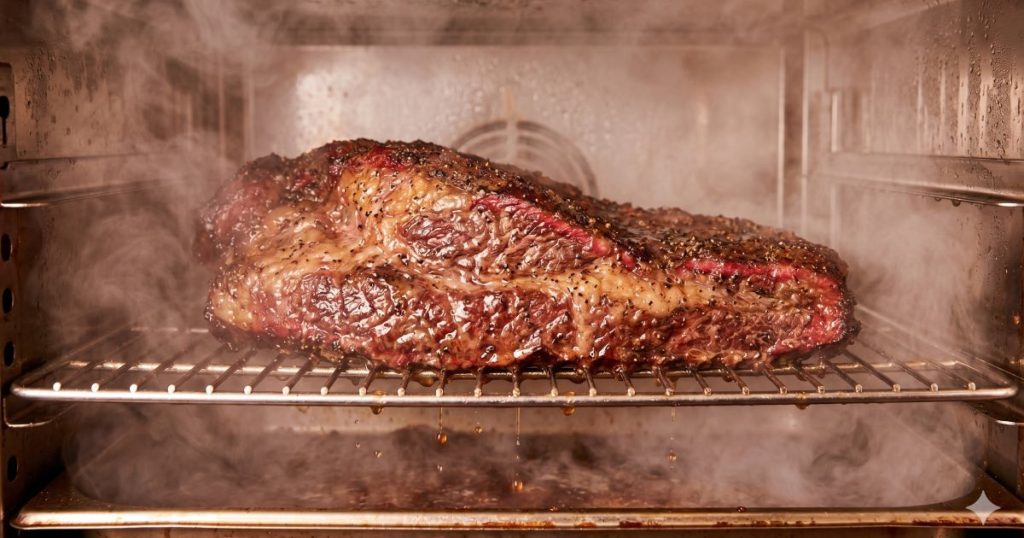
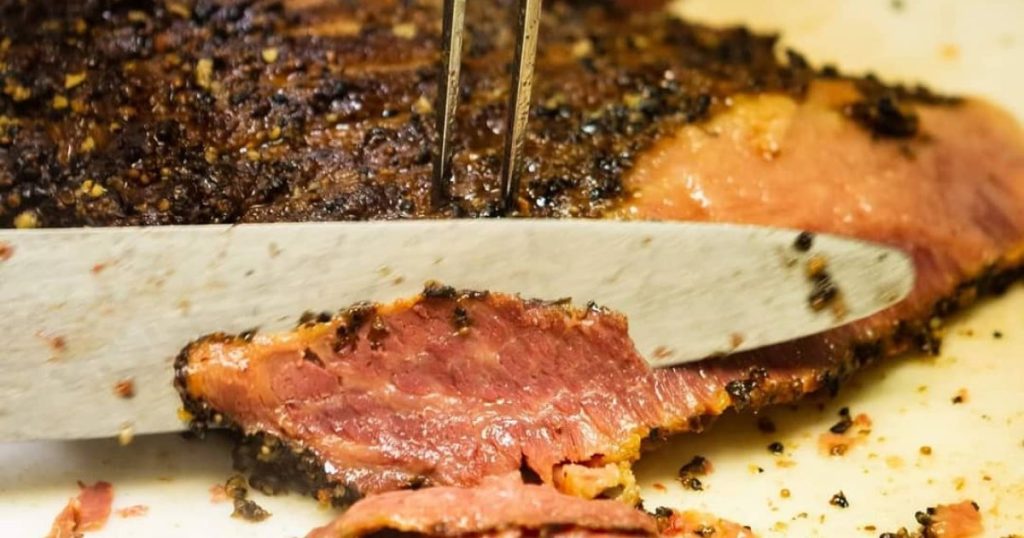
When you look at a whole brisket before it is sliced, you will notice a dark, almost black crust on the outside. Many people assume this part is burnt or bitter, but it is actually called the bark. The bark is a scientific bond between the spice rub and the beef proteins that happens during the smoking process.
Instead of being burnt, this layer acts like a flavor concentrator. It seals the juices inside the meat and holds the highest concentration of peppercorns, garlic, and coriander. This is why many people who know their smoked meat will specifically ask for the end cuts, because the bark provides the most intense taste in every bite.
3. The Brisket Sweats in the Steamer
While the smoking process gives the meat its signature flavor, the steamer is where the texture is created. A very interesting fact is that a brisket can lose up to 30 or 40 percent of its total weight while it is being steamed.
As the meat sits in the hot steam for several hours, it begins to sweat out excess salt and heavy fats. This process also transforms the tough connective tissues into a silky gelatin. This is the secret reason why the beef feels like it melts on your tongue. Without this long, sweating process, the brisket would be far too tough to eat as a sandwich.
4. It is One of the Cleanest Comfort Foods
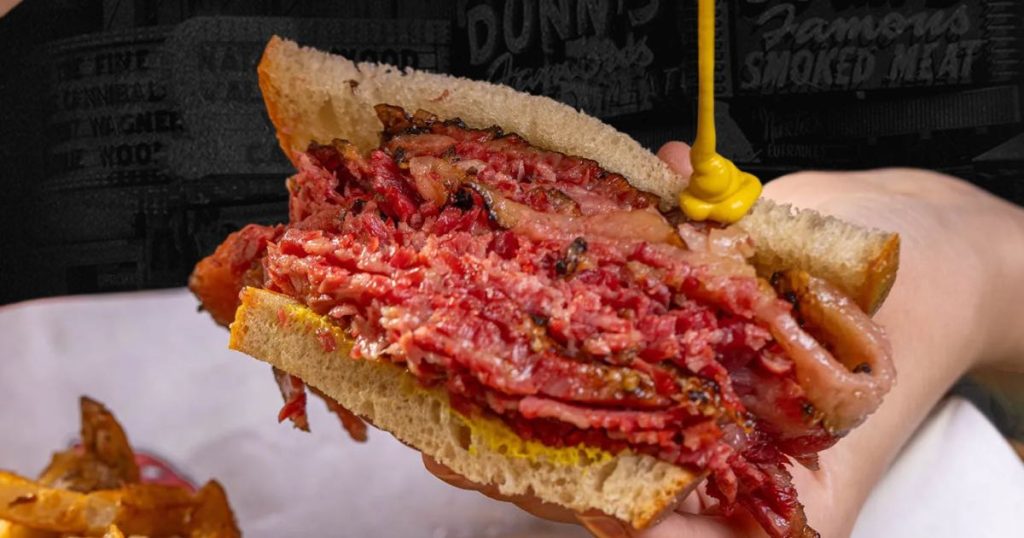
In a world where most deli meats are filled with chemicals, sugar, and water injections to make them heavier, traditional Montreal smoked meat is surprisingly simple. If you follow the 1927 standards as we do, the recipe only contains three main things: high-quality beef, salt, and whole spices.
Because we do not use fillers or hidden sugars, it is actually one of the cleanest types of prepared meat you can eat. It is essentially a 100-year-old health food recipe that has stayed the same while the rest of the food industry has changed. It is comfort food that you can feel good about eating because you know exactly what is in it.
5. The Cutter is a Culinary Artist
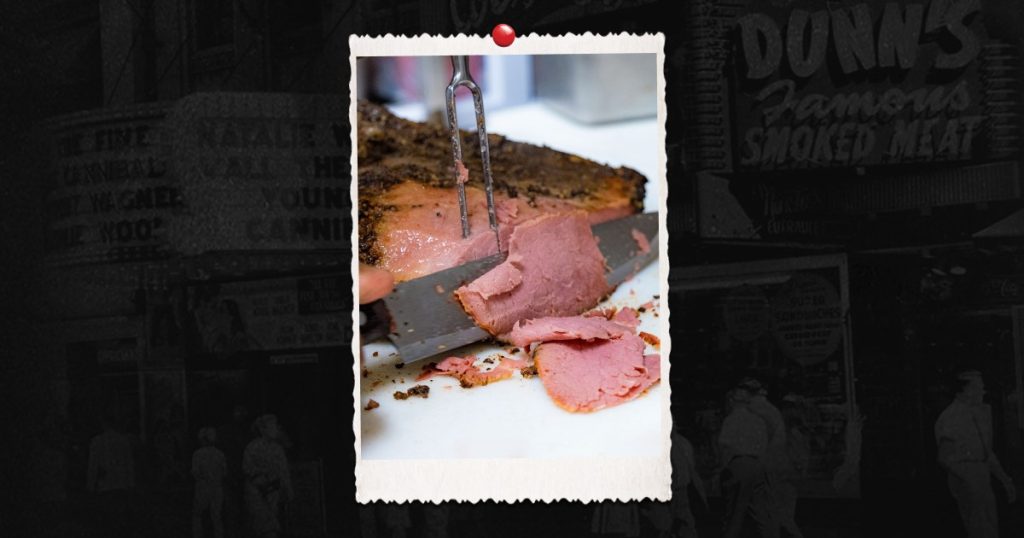
The most important person in the deli is not the chef in the back, but the person standing behind the counter with the knife. We call this person the Cutter. Montreal smoked meat hand-slicing is a skill that takes years to master because no two briskets are shaped the same way.
A master Cutter has to look at a steaming hot, delicate piece of meat and instantly know where the grain shifts. They have to adjust their knife mid-slice to make sure every sandwich has the perfect balance of lean meat and flavorful fat. If the meat is cut with a machine, it loses its texture and becomes rubbery. Hand-slicing is the only way to respect the two weeks of work that went into curing the meat.
Conclusion
Every time you sit down to eat at the best smoked meat restaurant in Montreal, you are participating in a process that involves history, science, and a lot of patience. From its beginnings as a goose dish in Romania to the artistic skill of the hand-slice, there is a reason this meal has survived for over a century.
Next time you visit Dunn’s Famous, you can impress your friends with these facts while you enjoy a real taste of 1927.
FAQs
Q1. Was Montreal smoked meat always made from beef?
Actually, no. The original Romanian ancestor of the dish was often made using goose breasts or mutton. When immigrants arrived in Montreal, they switched to beef brisket because it was a more affordable and accessible cut of meat at the time.
Q2. What is the dark crust on the outside of the meat?
That dark layer is called the bark. It is not burnt; rather, it is a flavorful seal created when the spices and beef proteins bond together during the smoking process. It holds the highest concentration of spices and helps lock in the juices.
Q3. Does smoked meat lose weight during the cooking process?
Yes. During the several hours spent in the steamer, a brisket can lose up to 40 percent of its weight. This happens as the meat sweats out excess salt and fats, which is what eventually creates the soft, tender texture that locals love.
Q4. Is Montreal smoked meat processed like other deli meats?
Traditional Montreal smoked meat is much cleaner than most modern deli products. It contains no sugars, fillers, or water injections. The 1927 recipe relies simply on high-quality beef, salt, and a specific blend of whole spices.
Q5. Why is hand-slicing better than using a machine?
Hand-slicing is essential because a machine blade generates heat and friction that can ruin the delicate texture of the meat. A master cutter slices by hand to follow the grain of the beef, ensuring every sandwich has the perfect balance of lean and fatty sections.