Is Montreal Smoked Meat Halal or Kosher? Navigating the Tradition

For many travelers, particularly Muslims and those following strict religious laws, visiting a new country triggers one immediate and essential question before a single bite is taken: Is it halal?
When you land in Montreal for the first time, you are likely heading straight toward the city’s most famous culinary landmark: Montreal smoked meat. However, the excitement of the trip often hits a wall of uncertainty when faced with a towering sandwich of spice-rubbed beef.
The history of Montreal smoked meat is both heavy and complicated, deeply rooted in the city’s immigrant past. This complex heritage leaves modern diners asking a vital question: Is Montreal smoked meat actually halal or kosher?
To understand the answer, we have to look closer at the requirements of these traditions. What exactly defines a kosher diet, and what specific steps are required to name a food halal? That is what we are going to explore in this guide, ensuring you can navigate the deli counters of Montreal with total confidence.
Understanding the Roots: Is Montreal Smoked Meat Halal?
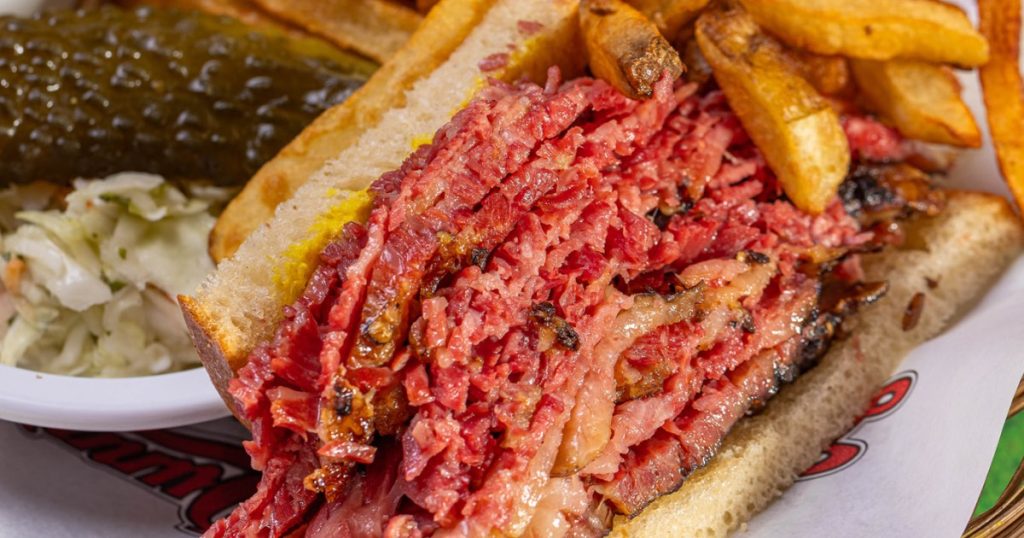
To answer whether the meat is halal, one must look beyond the ingredients. While the traditional recipe for Montreal smoked meat is fundamentally pork-free, consisting only of beef brisket, salt, and a blend of spices like coriander and black pepper, the status of being halal depends on the source.
For beef to be considered halal, the animal must be slaughtered according to Zabiha laws, which involve specific prayers and a humane, swift method of slaughter. Because many of the oldest delis in Montreal source their beef from traditional commercial suppliers, the meat is not automatically halal just because it is beef. However, as the demand for diverse dining options grows, finding halal smoked meat restaurants in Montreal has become much easier. Many modern establishments now explicitly source Zabiha-certified brisket to ensure that the Muslim community can enjoy this local staple without reservation.
Defining the Standards: What is a Kosher Diet?
Before determining if the sandwich on your plate is kosher, it is important to understand the strict framework of Kashrut.A kosher diet is not just about the type of animal eaten; it is a holistic system of food preparation.
First, the animal must be a ruminant with split hooves, and it must be slaughtered by a certified professional known as a Shochet. Second, the meat must be salted and soaked to remove all blood. Third, and perhaps most importantly for the restaurant experience, there must be a complete separation of meat and dairy. In a truly kosher environment, you will never find a meat sandwich served with a side of cheese or followed by a dairy-based dessert from the same kitchen.
The Traditional Conflict: Is Montreal Smoked Meat Kosher?
This is where the history of the city gets interesting. While the dish was brought to Canada by Jewish immigrants from Romania and Lithuania, the majority of the famous delis you see today are technically considered kosher-style rather than strictly kosher.
If you are looking for a kosher deli experience in Montreal, you have to look for a specific Rabbinical certification. Most of the legendary spots in the city serve the traditional forequarter cut of the beef, which is the kosher cut, but they may stay open on the Sabbath or serve non-kosher items on the same menu.
Therefore, while the meat itself follows the Jewish tradition of preparation, it may not meet the modern administrative standards of a strictly kosher household. For a diner asking if Montreal smoked meat is kosher, the answer is: the recipe is, but the restaurant might not be.
When Is Montreal Smoked Meat Considered Not Halal?
Even though the dish is 100% beef, there are specific instances where it would lose its halal status. Transparency is key for religious diners, and there are three main factors to watch out for:
Non-Certified Sourcing: If the restaurant cannot verify that the beef was slaughtered according to Islamic law, it cannot be considered halal.
Cross-Contamination: In kitchens that serve a variety of meats, if the same knives, slicers, or steam racks are used for non-halal products, such as pork, the integrity of the smoked meat is compromised.
Additives and Alcohol: While rare in traditional recipes, any modern twist that uses wine-based vinegars or alcohol-infused brines would immediately disqualify the meat from being halal-compliant.
Is It Safe to Try Smoked Meat?
For the average diner who simply wants to avoid pork for health or basic religious reasons, Montreal smoked meat is one of the safest and most transparent options available. Unlike many other deli meats that may use mystery fillers or pork casings, a true Montreal smoked meat is a solid slab of beef brisket.
The process of dry-curing and slow-smoking creates a product that is natural and free from the hidden additives found in processed lunch meats. If you have strict religious requirements, the best course of action is to ask the server for their certification. The community of Montreal takes great pride in its meat, and most reputable establishments will be happy to tell you exactly where their brisket comes from.
Conclusion
Montreal smoked meat is a bridge between the past and the present. Whether you are seeking halal smoked meat Montreal style or searching for the perfect kosher deli Montreal history, the city offers something for everyone. By understanding the distinction between a traditional recipe and a religious certification, you can enjoy this culinary masterpiece with total peace of mind.
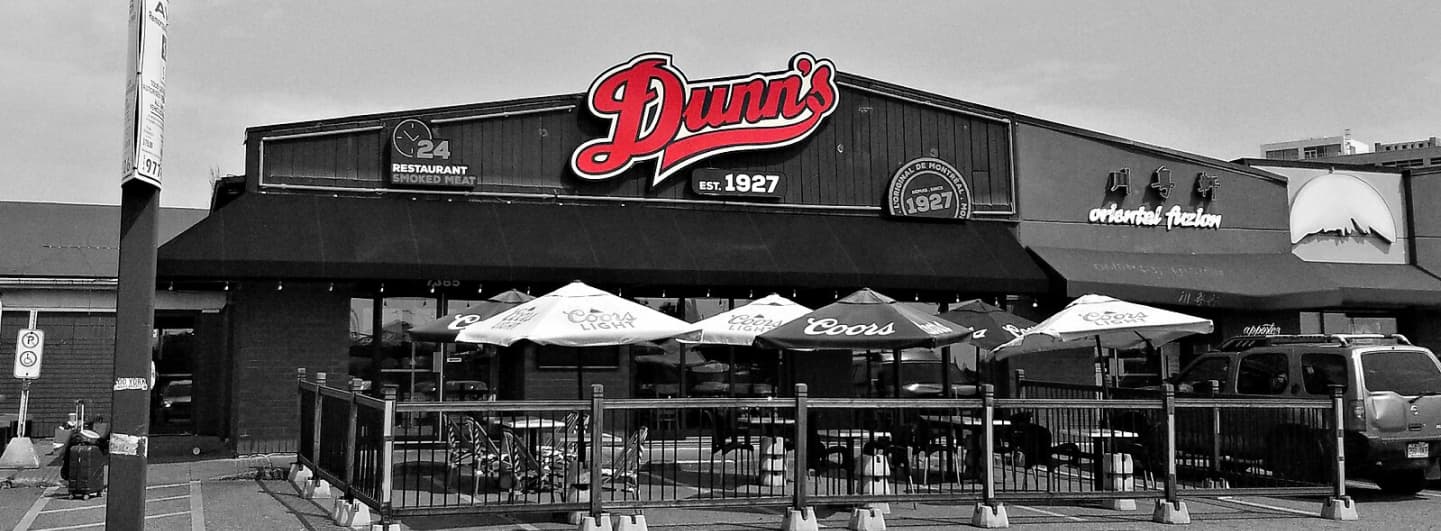
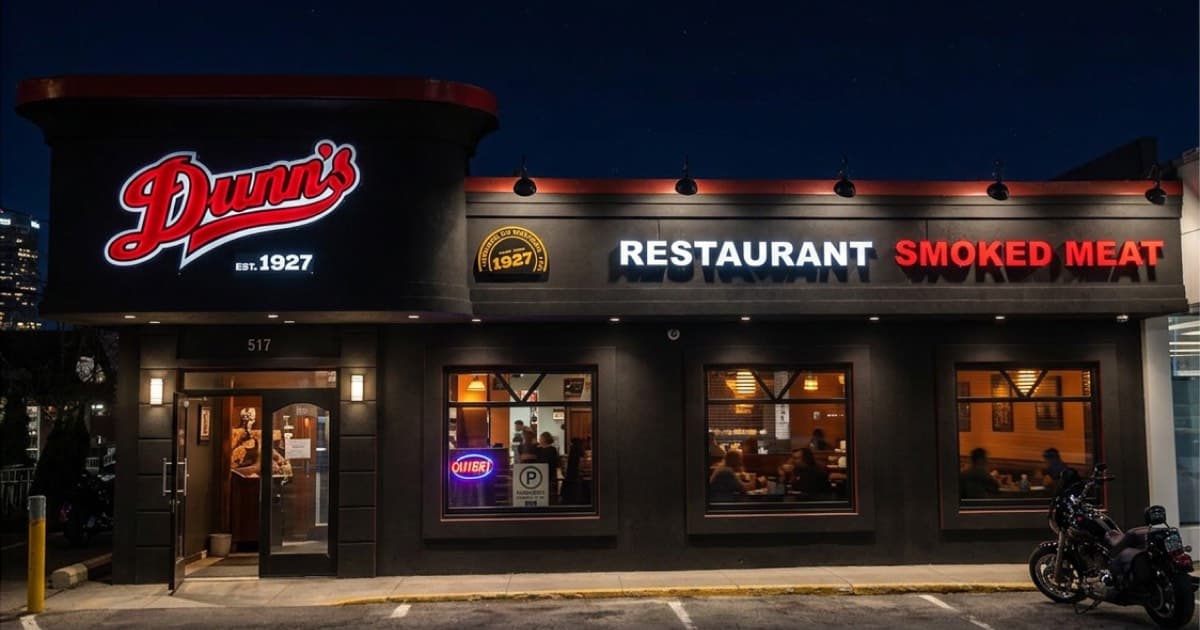
If you want to experience the true heritage of the brisket, visit an institution like Dunn’s Famous, one of the best smoked meat restaurants since 1927.
Key Takeaways
While the traditional recipe is made entirely from beef brisket and spices, it is only considered halal or kosher if the animal was slaughtered according to specific religious laws and processed in a certified facility.
Due to Montreal’s diverse population, a growing number of modern delis now specifically source Zabiha-certified beef to cater to Muslim travelers and locals.
Many famous Montreal delis follow Jewish recipes (kosher-style) but lack official Rabbinical certification because they operate on the Sabbath or mix meat and dairy equipment.
For strict dietary adherence, the meat must be prepared using dedicated slicers and tools to avoid contact with non-halal or non-kosher food items within the kitchen.
Because the city is proud of its culinary heritage, most reputable establishments are transparent about their meat sources; travelers are encouraged to ask for certifications before ordering.
You May Also Like
 Know Before You Go
Montreal Hot Dogs and Deli Culture: A Local's Guide to the City's Favorite Comfort Food
 Know Before You Go
Smoked Meat Sandwich vs Club Sandwich: What Is Actually the Difference?
 Know Before You Go
Where to Get the Best Montreal Smoked Meat According to Reddit
 Know Before You Go