Mastering the Craft: The 3-2-1 Smoking Method and the Art of Low and Slow
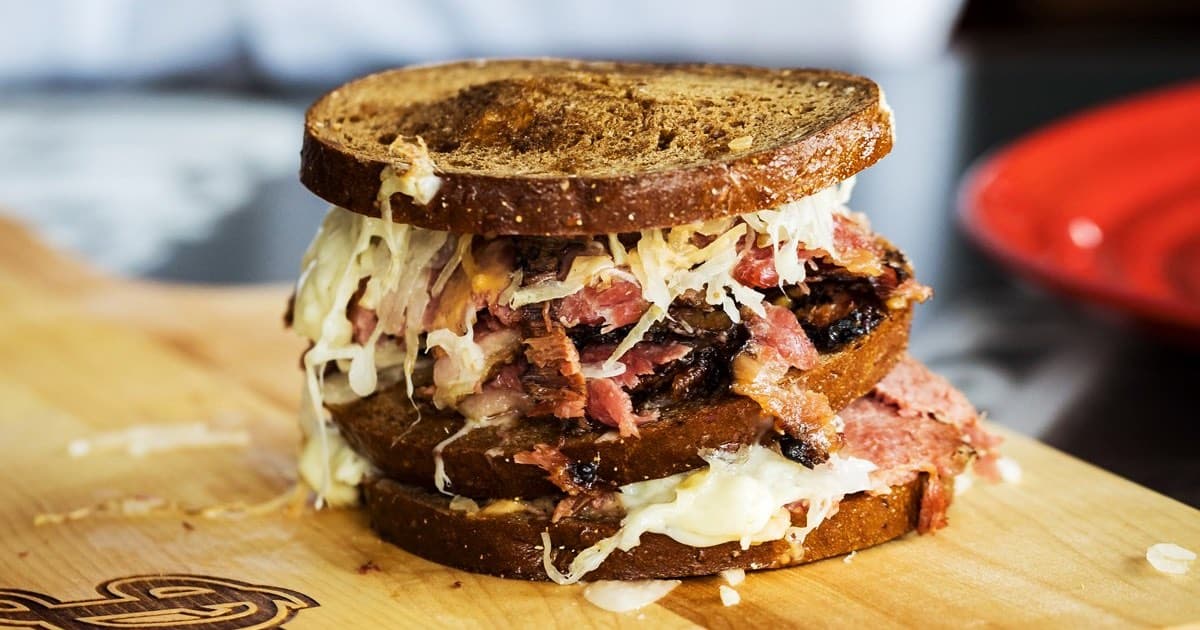

In the world of deli traditions, patience is the most valuable ingredient. While modern technology allows us to cook food faster than ever, there is one area of the culinary arts where speed is the enemy of quality: smoking meat. To achieve that legendary tenderness seen in the finest briskets and ribs, pitmasters often rely on a specific rhythmic approach known as the 3-2-1 smoking method.
This guide explores how to smoke meat 3-2-1 style, the science behind the low and slow smoking technique, and why this process is essential for anyone looking to replicate professional results at home.
What is the 3-2-1 Smoking Method?
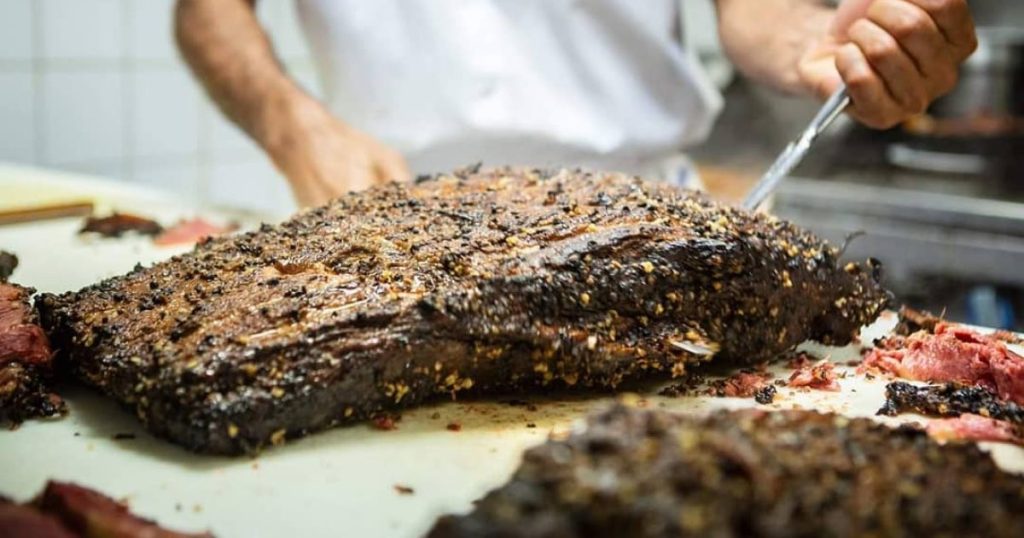
This is a three-stage process designed to balance flavor, tenderness, and texture. The numbers refer to the hours spent in each phase: three hours of open smoke, two hours of wrapped cooking, and one final hour to set the exterior.
While it is often referred to as the smoking ribs method explained for beginners, its principles are universal. It solves the biggest challenge in barbecue: how to make meat tender enough to bite through without it becoming mushy or drying out into leather.
Phase 1: The Initial 3-Hour Smoke
The first three hours are where the magic of the low and slow smoking technique begins. During this window, the meat is placed directly on the grill grates, exposed to a steady stream of wood smoke.
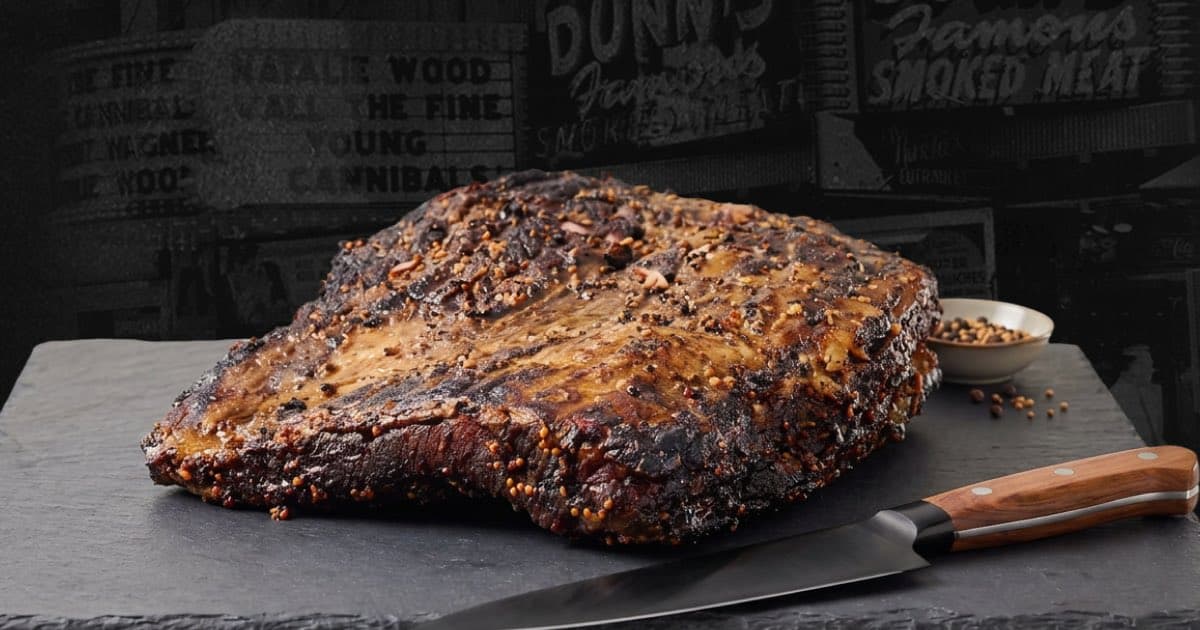
This phase serves two critical purposes. First, it allows the meat to absorb the smoky aromatics from hardwoods like hickory, oak, or maple. Second, this is when the bark begins to form. The bark is that dark, flavorful, slightly crunchy crust created by the chemical reaction between the dry rub, the meat proteins, and the smoke. During these three hours, the surface of the meat dries out just enough to concentrate the spices, creating the signature look of a professional smoked brisket.
Phase 2: The 2-Hour Wrap
After three hours, the meat has taken on as much smoke as it needs. If you were to leave it exposed for the entire duration, the exterior would become too hard and bitter. This is where the 2-hour wrap comes into play.
By wrapping the meat tightly in aluminum foil or butcher paper, often with a splash of liquid like apple juice or cider vinegar, you create a mini-steamer. This stage is crucial for breaking down collagen. Collagen is the tough connective tissue found in cuts like brisket or ribs. In a standard oven, this tissue stays chewy. However, under the low and slow smoking technique, the sustained moisture and heat during the wrap turn that collagen into rich, silky gelatin. This is the secret to meat that pulls away from the bone with zero effort.
Phase 3: The 1-Hour Finish
The final hour is about restoration. When meat comes out of the wrap, the bark is often a bit soft or soggy due to the steam. The final hour of the 3-2-1 smoking method involves unwrapping the meat and placing it back on the heat.
This hour allows the surface to firm back up and the sugars in any applied sauces or rubs to caramelize. It ensures that when you take a bite, you get that distinct contrast: a firm, spiced exterior followed by a melt-in-your-mouth interior.
How the 3-2-1 Logic Applies to Montreal Smoked Meat
In Montreal, the briskets undergo a lengthy curing process before hitting the smoker. They are smoked for several hours to develop that deep, peppery bark. However, the secret weapon of the Montreal deli is the steamer. Just as the 2-hour wrap in the 3-2-1 process tenderizes the meat, the Montreal steaming process takes a smoked brisket and relaxes the fibers until they reach a state of perfect, succulent delicacy.
Whether you are using a backyard pellet grill or a commercial smokehouse, the transition from dry heat to moist heat is the defining factor of a world-class sandwich.
Pro Tips for Success: How to Smoke Meat 3-2-1 Style at Home
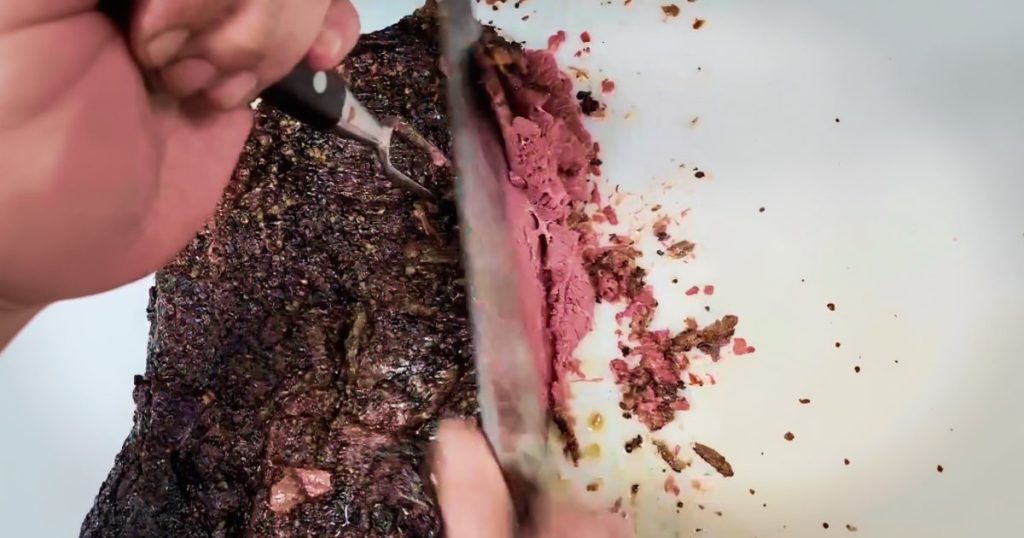
1. Temperature Over Time: While the method is named after hours, every piece of meat is different. Use the 3-2-1 as a guideline, but always use a meat thermometer to ensure the internal temperature reaches the sweet spot (usually around 195 to 203 degrees Fahrenheit for beef).
2. The Importance of the Rest: Once the final hour is complete, resist the urge to slice immediately. Let the meat rest for at least thirty minutes. This allows the juices to redistribute through the fibers rather than spilling out onto the cutting board.
3. Quality of Wood: Since the first three hours are dedicated to smoke absorption, use high-quality wood chunks or pellets. For a classic deli flavor, maple or oak provides a balanced sweetness that complements heavy black pepper rubs.
Conclusion
Mastering the 3-2-1 smoking method is a rite of passage for any meat lover. It represents an appreciation for the craft, proving that the best flavors cannot be rushed. By understanding the smoking ribs method explained through these three distinct phases, you gain total control over the texture and taste of your food.
The next time you enjoy a plate of perfectly sliced smoked meat, remember the hours of smoke, the precision of the wrap, and the final set of the bark. It is more than just a meal; it is a masterpiece of thermal engineering and culinary tradition.
While practicing this method at home is a rewarding journey, there is nothing like tasting it from the hands of masters who have spent decades perfecting the flame. If you find yourself in Montreal and crave the authentic, legendary results of this technique, you must visit Dunn’s Famous. As one of the best smoked meat restaurants in the city, Dunn’s is known for taking these principles to a level of perfection that few can match.
Try it today!
FAQs
1. Can I use the 3-2-1 method for meats other than ribs?
While originally designed for pork ribs, the logic of “smoke, wrap, and set” applies to many cuts. However, larger cuts like full briskets or pork shoulders require much longer than six hours total; in those cases, the method acts as a foundational ratio rather than a strict timeline.
2. Is butcher paper better than aluminum foil for the wrap?
Foil traps more steam, which tenderizes meat faster but can make the bark softer. Butcher paper is more breathable, allowing some steam to escape, which helps preserve a crunchier bark while still preventing the meat from drying out.
3. What temperature should my smoker be for this method?
The industry standard for low and slow is between 225 and 250 degrees Fahrenheit. Consistency is key; large fluctuations in temperature can lead to the meat stalling or becoming tough.
4. Do I have to add liquid when I wrap the meat?
It is not mandatory, but adding a “spritz” of apple juice, vinegar, or even a bit of butter inside the wrap accelerates the breakdown of tough tissues and adds a layer of depth to the flavor profile.
5. Why did my meat come out too dry despite the wrap?
This usually happens if the temperature was too high or if the wrap wasn’t airtight. If the seal is loose, moisture escapes instead of steaming the meat. Always ensure a tight fold to lock in those essential juices.
You May Also Like
 Chef’s Secrets & Tips
Why Home Smoked Meat Never Tastes Quite Like the Deli Version
 Chef’s Secrets & Tips
How to Tell if Your Smoked Meat is Perfectly Cooked: A Temperature Guide
 Chef’s Secrets & Tips
Smoked Meat Poutine: The Ultimate Montreal Recipe
 Chef’s Secrets & Tips