The Great Deli Debate: Is Montreal Smoked Meat Beef or Pork?
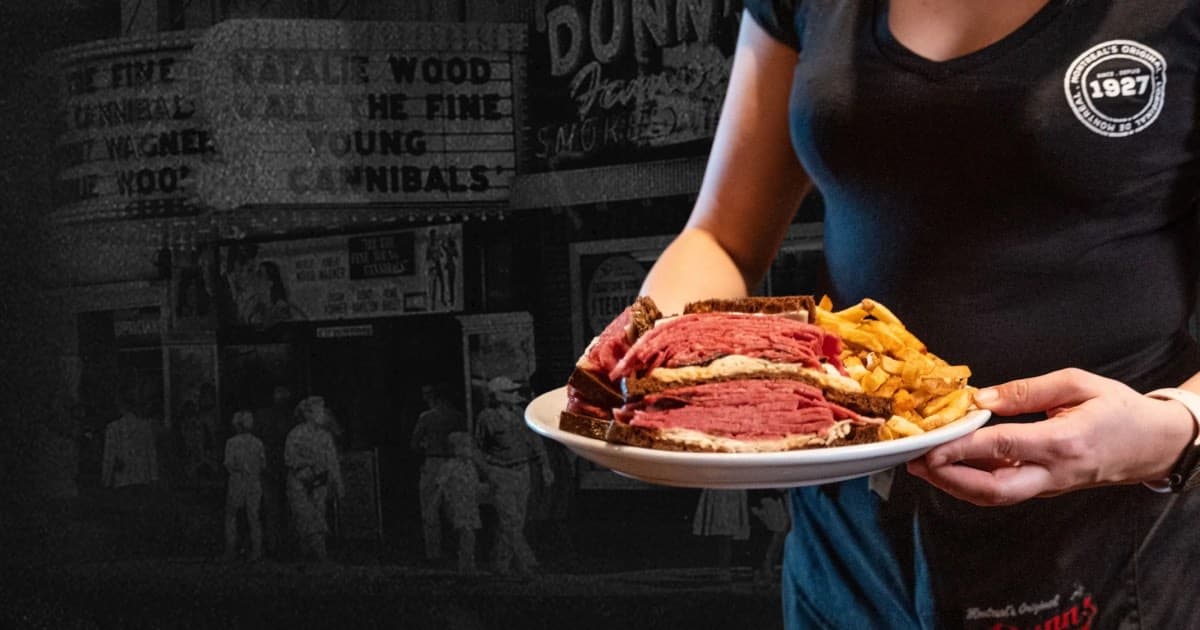

If you have ever found yourself standing in a long line or peering through the window of a historic deli in Quebec, you have likely asked yourself one specific question: Is Montreal smoked meat beef or pork?
It is a common point of confusion for tourists and even some locals. At first glance, the deep reddish-pink hue and the way the meat flakes apart can resemble high-quality ham or slow-cooked pork shoulder. However, the culinary history of this iconic sandwich tells a much different and more specific story.
In this guide, we will dive deep into the roots of this Quebecois treasure, explore the specific smoked meat brisket cut, and clarify once and for all what meat is Montreal smoked meat.
The Definitive Answer: Beef vs. Pork
To settle the debate immediately: Montreal smoked meat is 100 percent beef. There is no pork involved in the traditional recipe. The reason for this is found in the cultural heritage of the city. The dish was brought to Montreal by Jewish immigrants from Romania and Central Europe in the late 19th and early 20th centuries. Because these pioneers followed Kosher dietary laws, which strictly forbid the consumption of pork, they turned to beef as their primary protein for curing and smoking.
While the modern deli might not always be certified Kosher today, the legacy remains. When you sit down at a counter and order a sandwich, you are consuming a tradition that was built on the foundation of beef brisket.
Why Do People Get Confused?
If the answer is so definitive, why do so many people continue to ask: Is Montreal smoked meat beef or pork? There are several logical reasons for the mix-up.
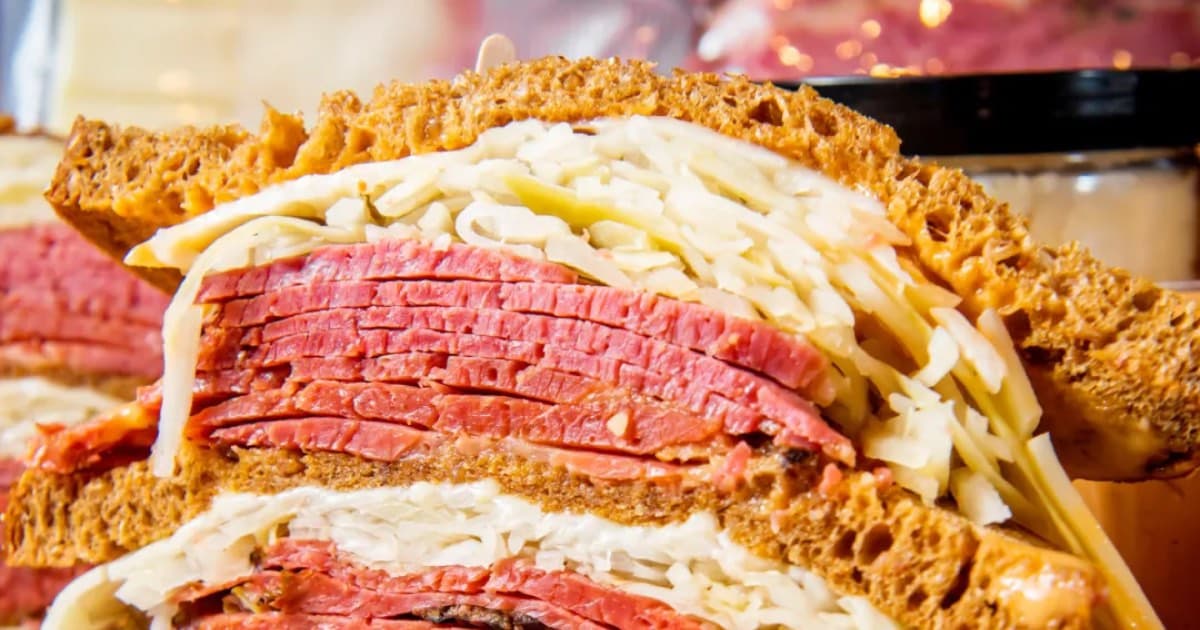
First, there is the visual element. The curing process involves the use of nitrites, which preserve the meat and give it a signature pink or reddish glow. To the untrained eye, this color is almost identical to the color of a cured ham. Second, the texture can be misleading. When beef is prepared using the Montreal method, it becomes incredibly tender, often mimicking the mouthfeel of a very high-quality pulled pork.
Finally, there is the comparison to other deli meats. People often compare it to pastrami or corned beef, but since many people also associate delis with various types of ham, the lines of communication often get crossed. Regardless of the visual similarities, the flavor profile, dominated by black pepper and garlic, is uniquely beef-centric.
The Anatomy of the Sandwich: The Cut
To understand the soul of this dish, you have to look at the specific smoked meat brisket cut. Unlike many other deli meats that might use various parts of the animal, authentic Montreal smoked meat must come from the brisket.
The brisket is a large, tough muscle found in the breast or lower chest of cattle. Because this muscle supports much of the animal’s weight, it is full of connective tissue and collagen. If you were to grill it like a steak, it would be inedible. However, the magic of the Montreal process is that it respects this specific cut.
A full brisket consists of two parts: the flat and the point. The flat is leaner, while the point is marbled with fat. In Montreal, a master slicer will often ask how you want your meat: lean, medium, or fatty. This selection process is only possible because of the unique fat distribution within the beef brisket, something you simply do not find in pork cuts like the leg or loin.
The Preparation: A Labor of Love
Knowing what Montreal smoked meat is only half the battle; the other half is understanding the rigorous preparation. The process is a marathon, not a sprint, and it involves several distinct stages:
- The Dry Cure: The beef brisket is rubbed with a secret blend of spices. While every deli keeps its recipe under lock and key, it generally includes cracked peppercorns, coriander, mustard seed, garlic, and salt. The meat sits in this rub for up to two weeks.
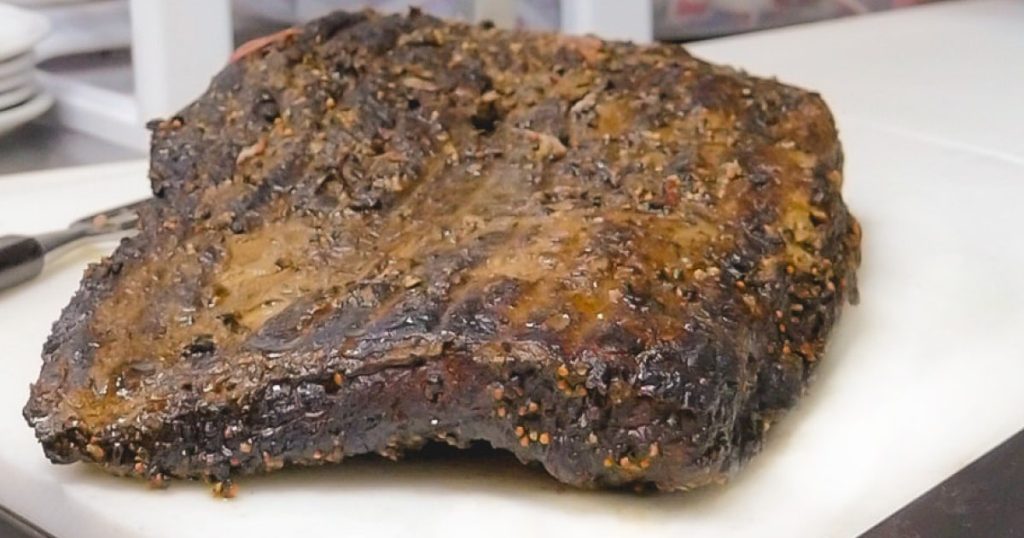
- The Smoking: After the cure, the meat is placed in a smokehouse. The goal here isn’t just to cook the meat, but to develop a thick, dark crust known as the bark. This adds a smoky depth that balances the saltiness of the cure.
- The Steaming: This is the secret step that sets Montreal apart from New York pastrami. Before serving, the smoked beef is steamed for several hours. This intense moisture breaks down the tough collagen in the brisket, turning it into a buttery, melt-in-your-mouth texture.
Where to Try the Best in Quebec
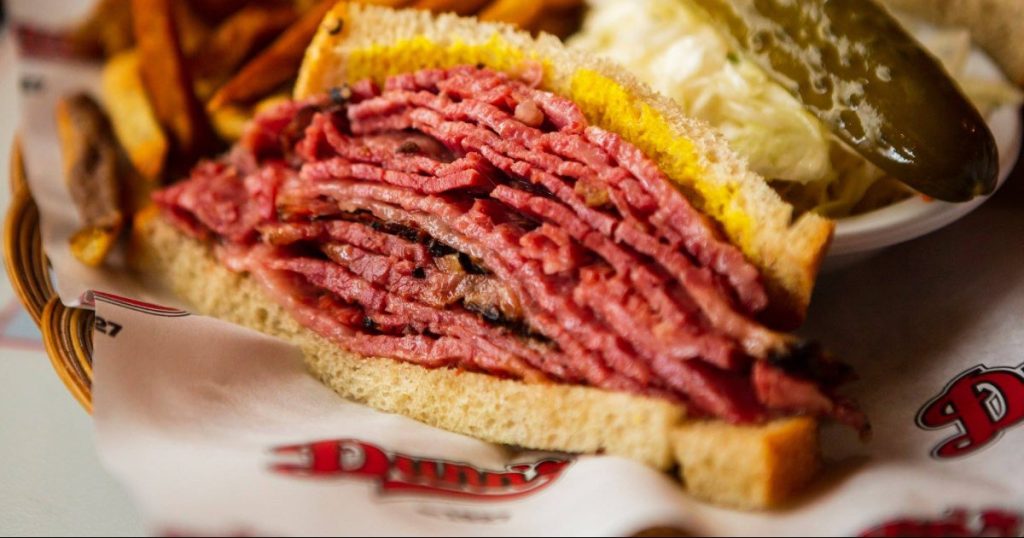
If you want to experience the peak of Montreal smoked meat beef, you have to go to the institutions that have been doing it right for decades.
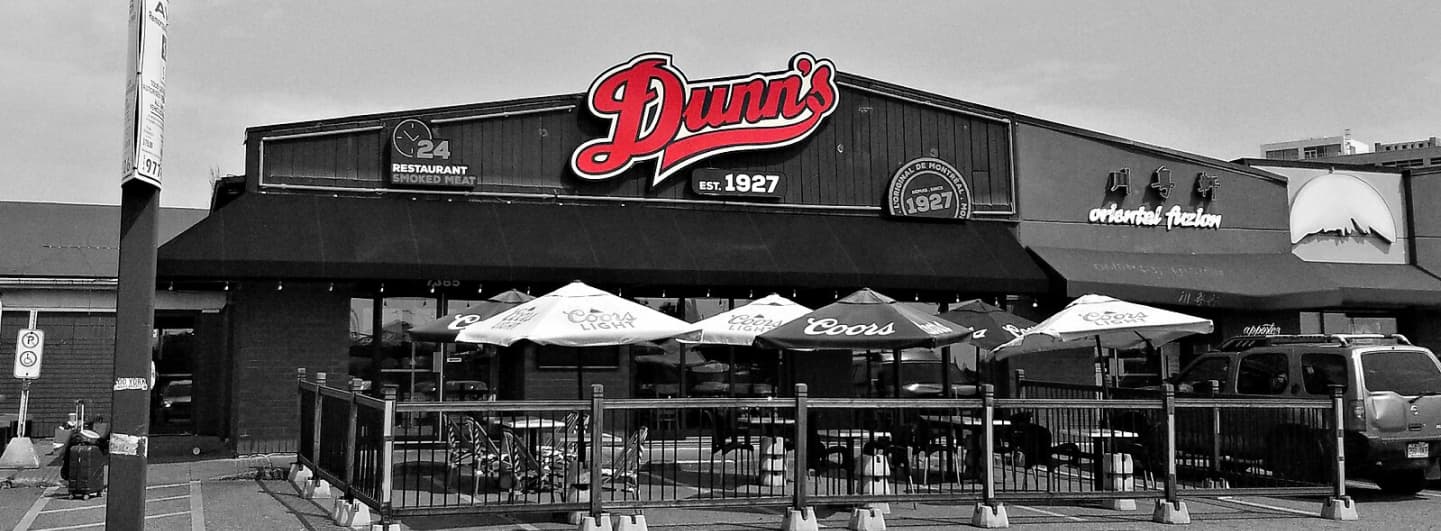
Dunn’s Famous is perhaps the most essential stop for any enthusiast. We are famous for our hand-carved approach, ensuring that every slice of the smoked meat brisket cut is handled with the respect it deserves. When you eat at a place like Dunn’s, you aren’t just eating a sandwich; you are tasting the history of Montreal itself.
Conclusion
The next time someone asks you: Is Montreal smoked meat beef or pork? You can answer them with total confidence. It is a masterpiece of beef, specifically the brisket, cured with care and steamed to perfection. It is a dish that represents the melting pot of Montreal’s history, combining European traditions with Canadian ingredients.
Try Dunn’s Famous, widely considered one of the best and most iconic smoked meat restaurants in Montreal!
FAQs
1. Is Montreal smoked meat beef or pork?
Montreal smoked meat is 100% beef. It is traditionally made from beef brisket, a tradition rooted in the Kosher dietary laws of the Jewish immigrants who brought the dish to Montreal.
2. Why does the meat look pink like ham?
The reddish-pink color comes from the curing process, which uses nitrites to preserve the meat. While it looks like ham, the flavor profile is savory, peppery, and distinctly beef-based.
3. What is the difference between Montreal smoked meat and pastrami?
While similar, Montreal smoked meat typically uses a dry-cure spice rub with more black pepper and less sugar than New York pastrami. It is also steamed for longer to achieve a more tender, “melt-in-your-mouth” texture.
4. What part of the cow does the meat come from?
It comes specifically from the brisket (the lower chest). You can usually order it in different fat levels—lean, medium, or fatty—depending on which part of the brisket is sliced.
5. How should I order my first sandwich?
For the most authentic experience, many locals recommend ordering “medium.” This provides the perfect balance of lean meat and flavorful fat, which carries the spices and smoky aroma.
You May Also Like
 Know Before You Go
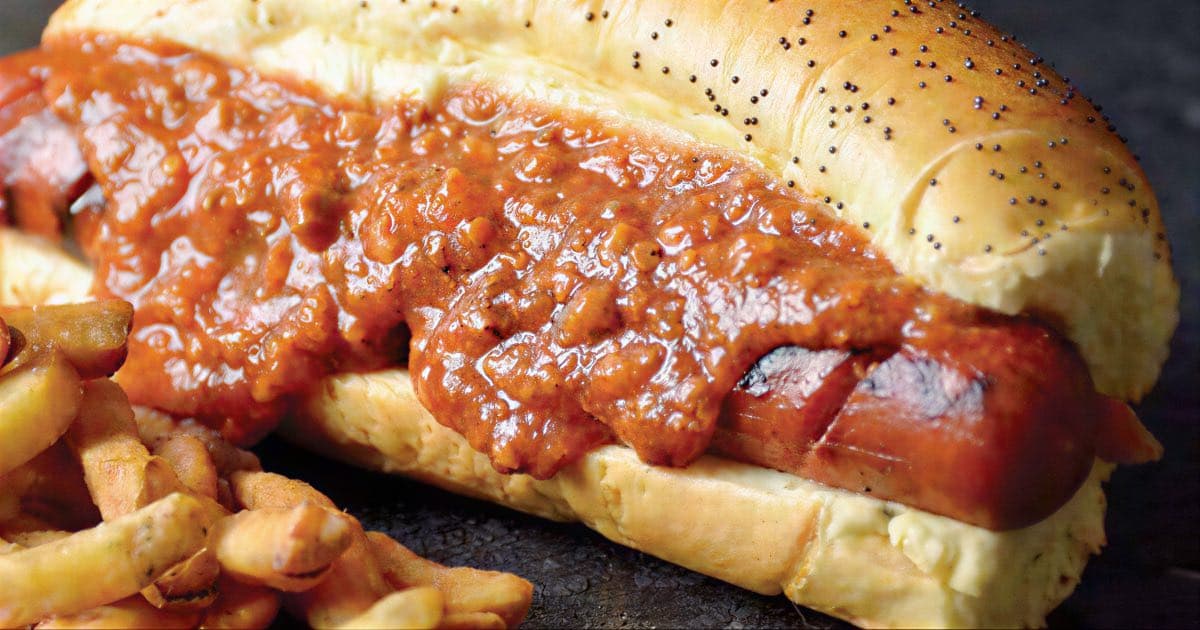
Montreal Hot Dogs and Deli Culture: A Local's Guide to the City's Favorite Comfort Food
 Know Before You Go
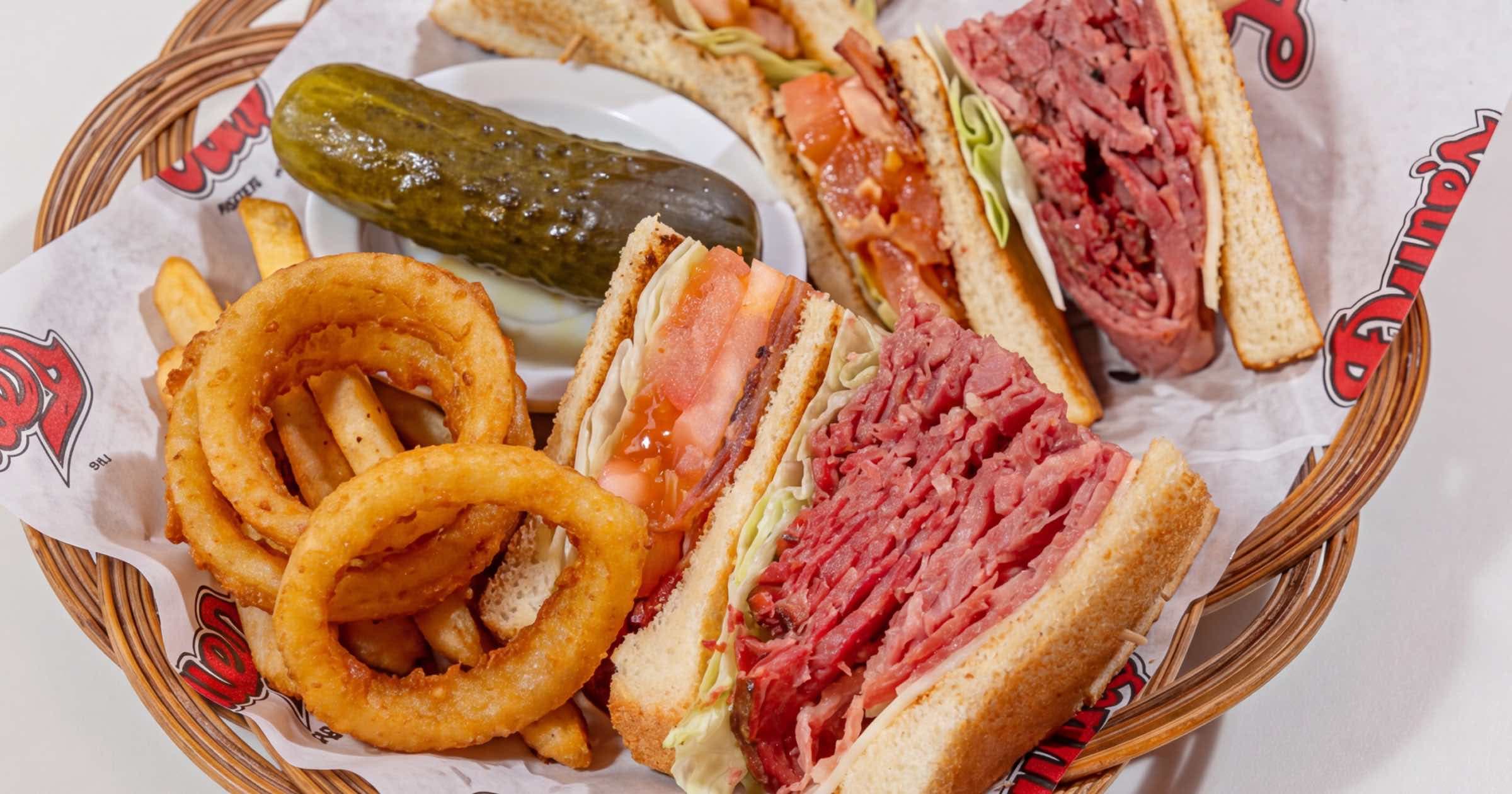
Smoked Meat Sandwich vs Club Sandwich: What Is Actually the Difference?
 Know Before You Go
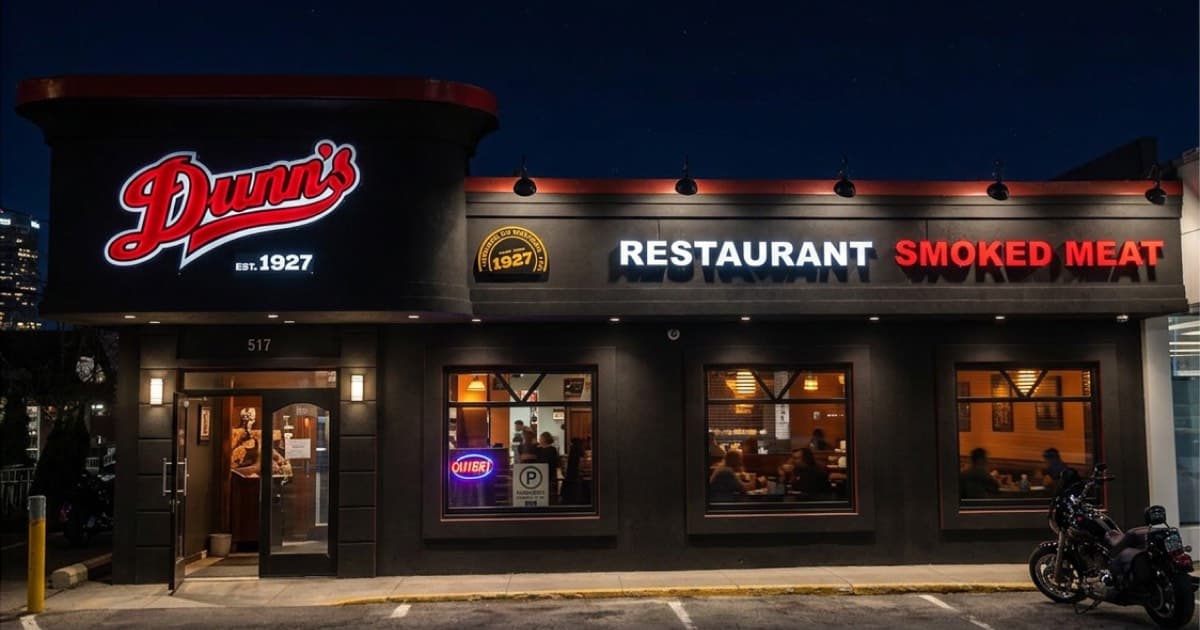
Where to Get the Best Montreal Smoked Meat According to Reddit
 Know Before You Go