Corned Beef vs. Montreal Smoked Meat: What Sets Them Apart
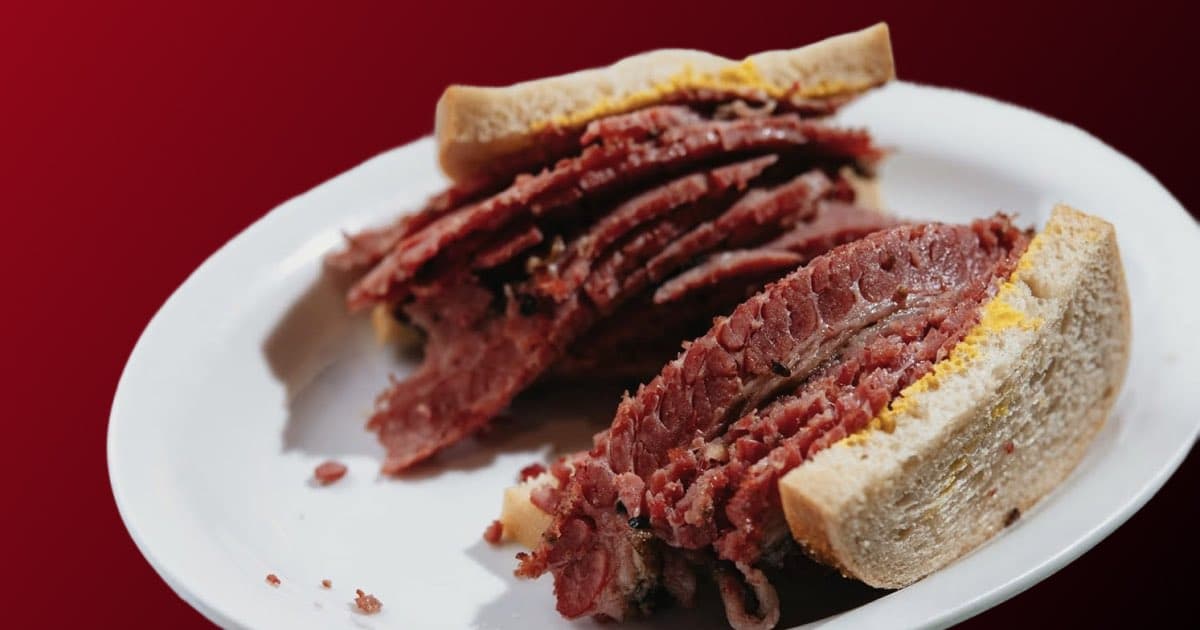

Walk into any classic deli in Montreal, and you’ll hear the same debate at the counter: “Corned beef or smoked meat?” It’s a question that has divided food lovers for decades. At first, the two sandwiches seem like close cousins, both stacked high with slices of tender beef, both served on rye, and both beloved by generations. But their stories, flavors, and traditions couldn’t be more different.
In this guide, we’re diving into the origins of both, uncovering what makes each one unique, and finally settling the debate at least until your next bite.
The Origins
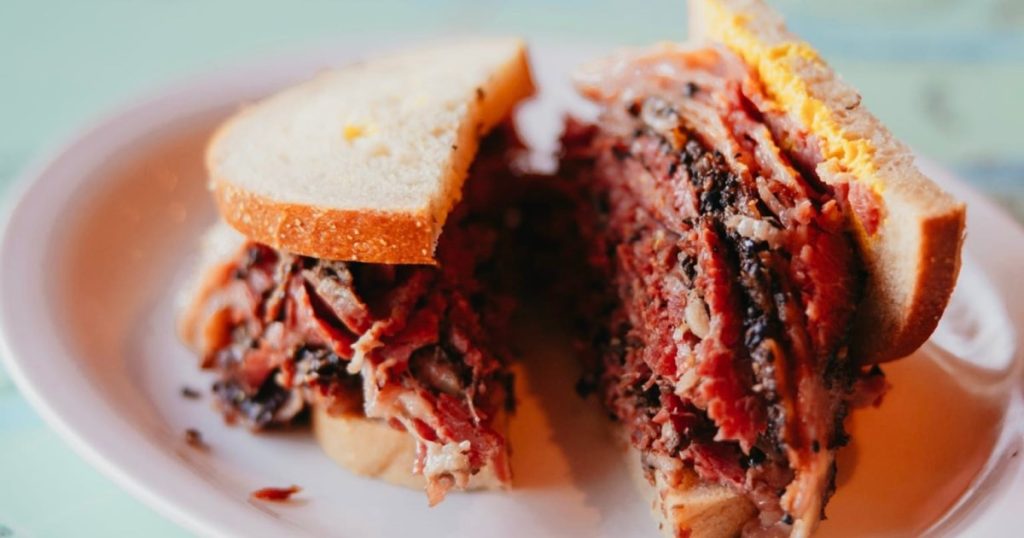
The story of corned beef begins across the Atlantic, rooted in Irish and British culinary traditions from the 1800s. Back then, salting and curing beef with large “corns” of salt was an essential preservation method. When Irish immigrants brought this technique to North America, it evolved into a dish synonymous with celebration especially tied to St. Patrick’s Day feasts, where boiled corned beef, cabbage, and potatoes became staples on family tables.
Meanwhile, in Montreal, a different culinary story was unfolding. In the late 1800s, Eastern European Jewish immigrants arrived carrying their own recipes, spices, and techniques. Among them was the tradition of curing brisket with a bold spice rub, smoking it slowly, and steaming it until perfectly tender.
Over time, this method gave birth to Montreal smoked meat, a sandwich so distinct and flavorful that it became an icon of the city’s deli culture and a pillar of Canadian food identity.
How They’re Made
The biggest difference between corned beef and Montreal smoked meat lies in how they’re prepared, a process that directly shapes their flavor and texture.
Corned beef begins with a wet brine. Large “corns” of salt, sugar, and aromatic pickling spices soak deep into the beef, infusing it with a gentle savoriness. Once cured, the meat is boiled or steamed until tender, resulting in slices that are mild, moist, and slightly salty, perfect for pairing with cabbage, potatoes, or classic rye bread.
Montreal smoked meat, on the other hand, takes a dry-curing approach. The brisket is coated with a bold blend of cracked pepper, coriander, garlic, and spices, then left to absorb those flavors over several days. Instead of boiling, the meat is smoked slowly to build depth, then steamed just before serving to achieve that signature melt-in-your-mouth tenderness. The result? A richer, spicier, and more complex flavor compared to the simpler, saltier notes of corned beef.
What Your Taste Buds Experience
When it comes to taste, corned beef and Montreal smoked meat deliver two very different experiences.
Corned beef leans toward a milder profile; it’s slightly salty, gently tangy, and consistently soft from edge to center. Its flavor is clean and simple, making it a versatile choice for everything from classic deli sandwiches to hearty holiday plates.
Montreal smoked meat, on the other hand, is bolder and more complex. The dry rub of spices, combined with smoking and steaming, creates layers of flavor with just the right amount of juiciness. The “bark” on the edges adds texture and depth, while the interior stays melt-in-your-mouth tender.
This contrast is what makes smoked meat stand out as a richer, more indulgent experience, while corned beef remains a comforting, understated classic.
Serving Styles: How They Land on Your Plate
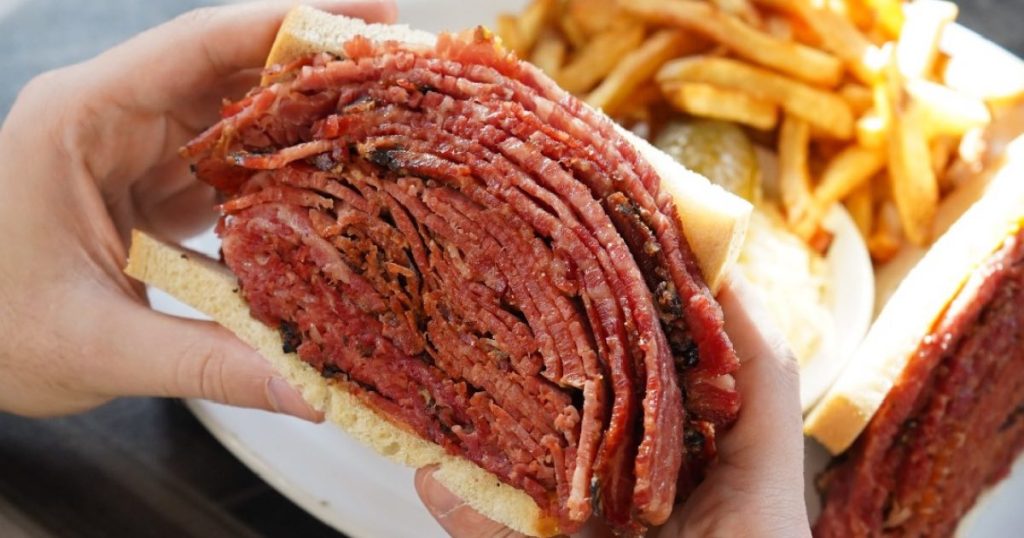
Corned beef is often served in a simpler, homestyle fashion. The most traditional preparation pairs it with boiled cabbage and vegetables, a staple during festive occasions. In delis, it’s commonly sliced thin and tucked between slices of soft bread, sometimes layered with mustard, cheese, or pickles for added tang.
Montreal smoked meat, by contrast, is all about craftsmanship and indulgence. At classic delis, each brisket is hand-carved to order, you choose your cut, whether lean, medium, or fatty. The tender, spice-rubbed slices are then piled high on fresh rye bread and finished with a smear of yellow mustard for that authentic, bold bite. It’s a presentation designed to showcase both the texture and flavor of the meat, making every sandwich an experience rather than just a meal.
Where to Taste the Difference
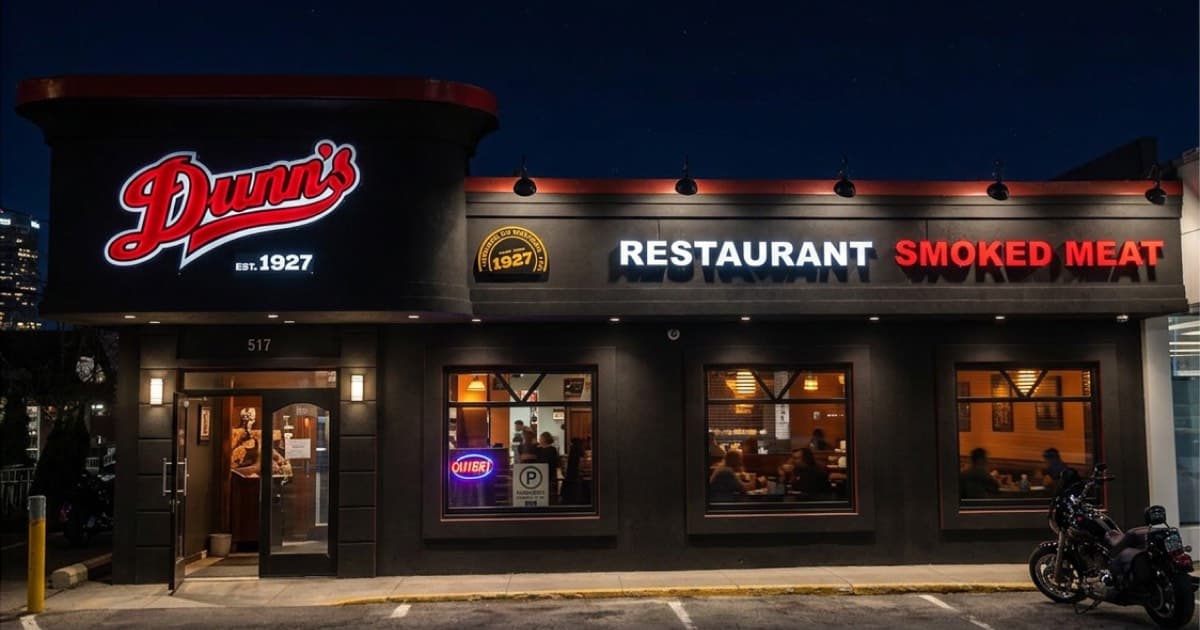
If you want to experience the authentic flavors of Montreal smoked meat and compare it with other deli classics, Dunn’s Famous is the perfect destination. Since 1927, Dunn’s has stayed true to time-honored recipes, offering hand-carved smoked meat sandwiches alongside a variety of traditional deli staples. Whether you’re craving bold, spice-packed flavors or something more classic and comforting, Dunn’s delivers an experience that captures the heart of Montreal’s deli culture.
Conclusion
When it comes to corned beef and Montreal smoked meat, the differences lie in their preparation, flavor, and history, but both have earned their place in North America’s deli culture. Corned beef offers a mild, tangy, and tender experience, while Montreal smoked meat brings bold spices, deep smokiness, and melt-in-your-mouth richness.
Ready to settle the debate for yourself?
Visit Dunn’s Famous today and discover why it’s been a Montreal landmark for nearly a century.
FAQs:
Q1. What is the main difference between corned beef and Montreal smoked meat?
Corned beef is wet-brined in salted water with pickling spices and then boiled or steamed, producing a mild and slightly salty flavor. Montreal smoked meat is dry cured with a bold spice blend, smoked slowly, and then steamed, resulting in a richer, more complex, and pepper-forward flavor profile.
Q2. Why is it called corned beef if there is no corn in it?
The name comes from the large rock salt crystals historically used to cure the beef, which were referred to as “corns” of salt in old English. The technique was brought to North America by Irish and British immigrants in the 1800s, and the name stuck despite having nothing to do with the vegetable.
Q3. Can I order Montreal smoked meat lean, medium, or fatty?
Yes. Montreal delis traditionally hand-carve smoked meat to order from the whole brisket, which includes both the lean flat and the fattier point. Ordering lean gives you a cleaner, drier slice while medium and fatty cuts deliver more richness and juiciness.
Q4. Which sandwich is better for someone who prefers milder flavors?
Corned beef is the better choice for anyone who prefers a milder, more understated flavor. Montreal smoked meat is bolder and more complex with a pronounced spice crust, making it the better choice for anyone who enjoys a richer and more layered deli experience.
You May Also Like
 Know Before You Go
Montreal Hot Dogs and Deli Culture: A Local's Guide to the City's Favorite Comfort Food
 Know Before You Go
Smoked Meat Sandwich vs Club Sandwich: What Is Actually the Difference?
 Know Before You Go
Where to Get the Best Montreal Smoked Meat According to Reddit
 Know Before You Go