Si vous avez déjà passé tout un week-end à essayer de recréer la magie d’une charcuterie locale à la maison, vous savez à quel point cela peut être frustrant quand la viande ne ressort pas comme prévu. Nous sommes tous passés par là : vous suivez la recette à la lettre, mais au moment de servir, la viande est soit aussi dure qu’une semelle, soit elle s’effondre en une bouillie dès qu’on la touche.
Dans une ville réputée pour avoir la meilleure viande fumée, la barre est placée très haut. Obtenir cette tranche parfaite, juteuse, qui se tient tout en fondant en bouche, est l’objectif ultime.
Ce guide de cuisson de la viande fumée de Montréal est là pour vous aider à comprendre exactement ce qui se passe à l’intérieur du fumoir, afin que vous puissiez arrêter de deviner et commencer à servir une viande qui est réellement à la hauteur de sa réputation.
L’Anatomie Du Brisket : Pourquoi Il Est Difficile
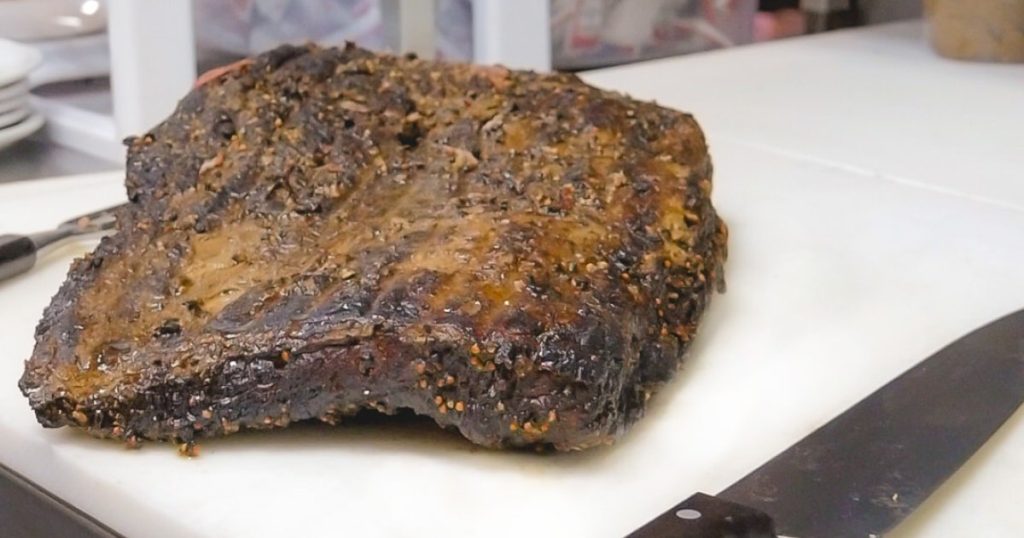
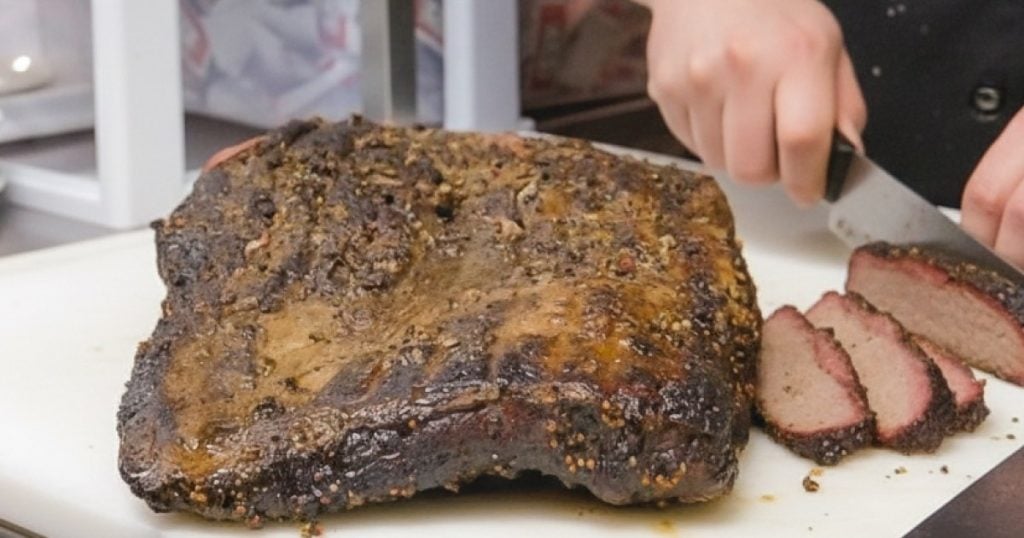
La poitrine de bœuf (brisket) est le muscle pectoral de la vache, une zone très sollicitée qui supporte environ soixante pour cent du poids de l’animal. Comme elle est constamment en mouvement, elle est riche en collagène de type I. Ce sont essentiellement des sortes d’élastiques biologiques qui maintiennent les fibres musculaires ensemble. Si l’on cuisinait une poitrine de bœuf comme un steak, elle serait immangeable.
Lors de la préparation de la poitrine de bœuf pour la viande fumée, vous avez affaire à deux muscles distincts : le flat (plat) et le point (pointe). Le flat est maigre et a tendance à sécher, tandis que le point est plus persillé et plus indulgent. Le défi vient du fait que le collagène ne commence réellement à se décomposer qu’à partir d’une température interne d’environ 160 degrés.
Votre objectif est la transformation complète de ce tissu conjonctif coriace en “or liquide”, autrement dit en gélatine. Ce processus demande du temps et une chaleur basse et constante afin d’éviter que l’extérieur ne brûle avant que l’intérieur ne devienne tendre et fondant.
Le Profil Parfaitement Tendre : La Référence En Or
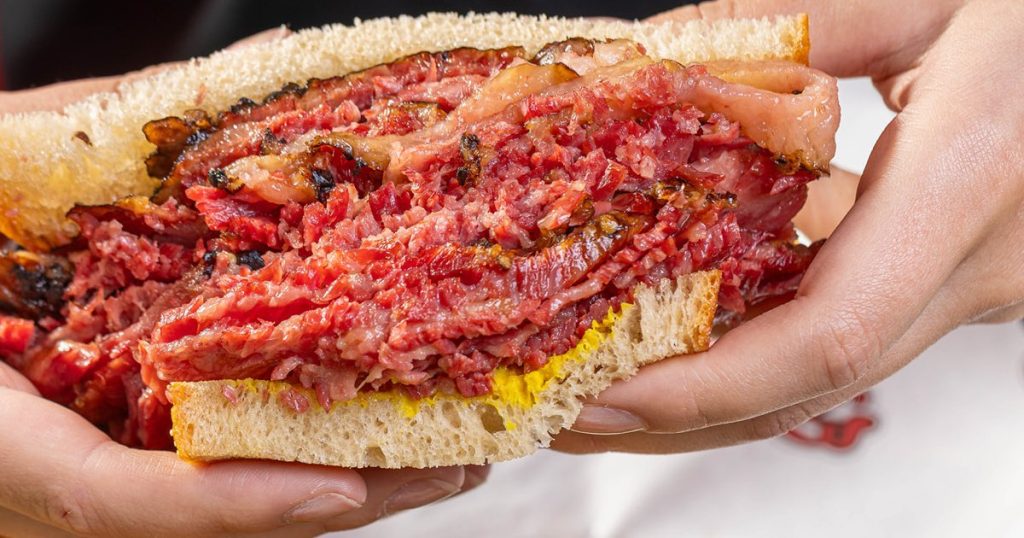
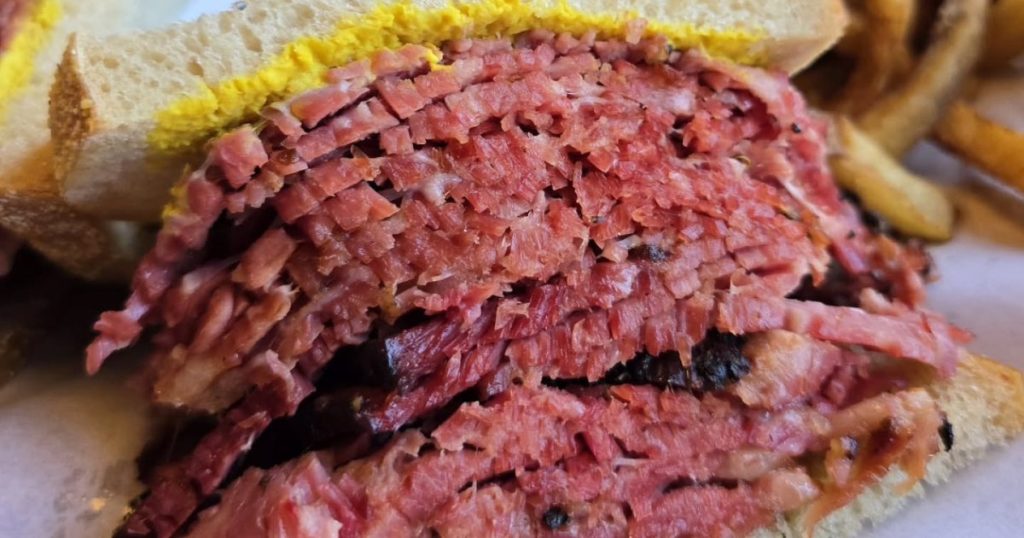
Comment savoir quand vous avez atteint le point parfait ? Le premier signe d’une viande fumée tendre vous met déjà sur la bonne voie avant même d’utiliser un couteau : c’est le “jiggle” (le tremblement). Lorsque vous appuyez sur le dessus d’une poitrine de bœuf reposée, toute la pièce doit frémir comme un plateau de gélatine. Cela indique que le collagène interne a complètement fondu en une sorte de lubrifiant naturel qui enrobe chaque fibre musculaire.
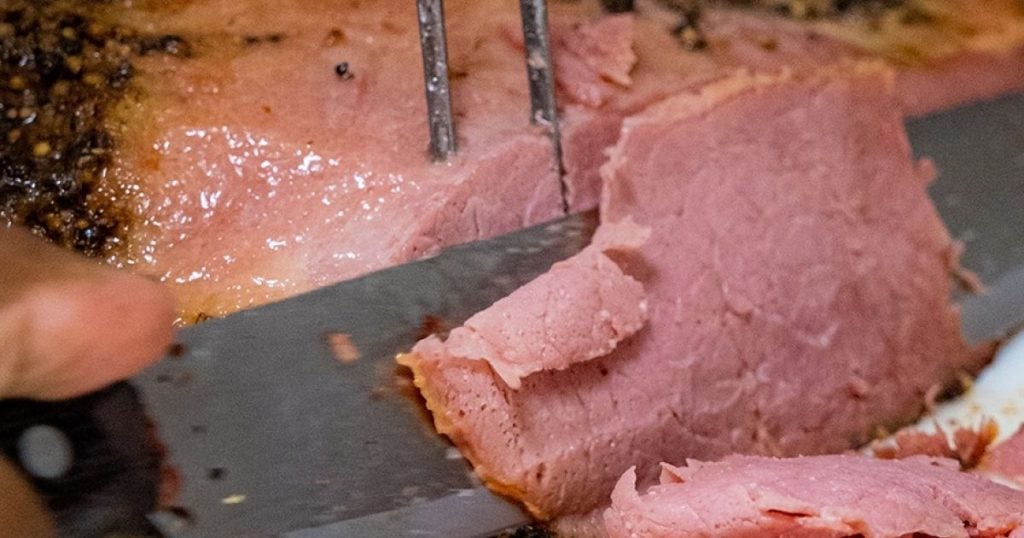
Une fois tranchée, la référence absolue est confirmée par le test de flexion et le test de traction. Pour le test de flexion, prenez une tranche de l’épaisseur d’un crayon et laissez-la reposer sur votre index. Elle doit former un parfait “U” inversé sans se casser. Si elle s’affaisse et se brise, elle est trop cuite ; si elle reste rigide, elle n’est pas assez cuite et a besoin de plus de temps.
Pour le test de traction, vous devriez pouvoir saisir chaque extrémité de la tranche et la séparer avec une légère tension. Elle doit offrir une résistance momentanée, rappelant qu’il s’agissait autrefois d’un muscle puissant, avant de se détacher proprement pour révéler un intérieur brillant et juteux.
Le Profil De Surcuisson : La Phase Molle
De nombreux débutants se réjouissent lorsque leur viande se défait facilement, mais dans le monde de la cuisine professionnelle, c’est justement l’un des principaux signes de surcuisson de la viande fumée. Une viande qui s’effondre n’est pas tendre : sa structure est simplement dégradée. Lorsque vous surcuisez une poitrine de bœuf, vous poussez les fibres musculaires (actine et myosine) au-delà de leur point de rupture. Les fibres se désagrègent alors, donnant une texture granuleuse et sableuse, plutôt qu’une texture juteuse et fondante.
Au lieu d’obtenir une tranche nette, vous vous retrouvez avec un tas de bœuf effiloché qui ressemble davantage à un pot-au-feu qu’à une véritable viande fumée. De plus, une viande trop cuite semble souvent sèche en bouche. C’est un paradoxe qui en déroute plus d’un : comment quelque chose d’aussi tendre peut-il être sec ? La réponse est que, une fois l’intégrité structurelle perdue, la viande n’est plus capable de retenir ses jus. L’humidité est littéralement expulsée, laissant un produit mou mais desséché, qui manque de l’âme de la meilleure viande fumée de Montréal.
Facteurs Critiques : Comment Rester Dans La Fenêtre
Le plus important de tous les conseils pour une viande fumée tendre est d’arrêter de vénérer le thermomètre. Bien que la plupart des briskets terminent entre 195 et 205 degrés, chaque animal est différent. Vous devez utiliser le test de la sonde. Prenez un thermomètre à lecture instantanée ou une brochette en bois et insérez-la dans la partie la plus épaisse du plat de poitrine. Cela doit donner la sensation de pousser dans un pot de beurre de cacahuète à température ambiante. S’il y a la moindre résistance ou un léger accroc, le collagène n’a pas encore totalement cédé.
De plus, il faut prendre en compte le “tueur silencieux” : la cuisson résiduelle (carry-over cooking). Si vous retirez une poitrine de bœuf du fumoir à 203 degrés et que vous la placez immédiatement dans une glacière performante, la température interne continuera de monter. Elle peut facilement atteindre 210 degrés à l’intérieur de l’isolation, ce qui peut faire basculer une poitrine parfaitement cuite dans une zone trop molle, alors que vous pensez simplement la laisser reposer.
Laissez toujours la viande reposer sur le comptoir pendant une vingtaine de minutes afin de permettre à la vapeur de s’échapper et à la température de se stabiliser avant de l’emballer pour un long repos.
Dépannage : Comment Sauver Une Erreur
Même les maîtres ont des jours sans. Si vous vous rendez compte que votre poitrine de bœuf est encore ferme et pas assez cuite alors que vous l’avez déjà retirée du feu, votre meilleure option est un repos long et contrôlé dans un four réglé à 150 degrés. Cela permet au collagène restant de se décomposer lentement sans dessécher davantage l’extérieur.
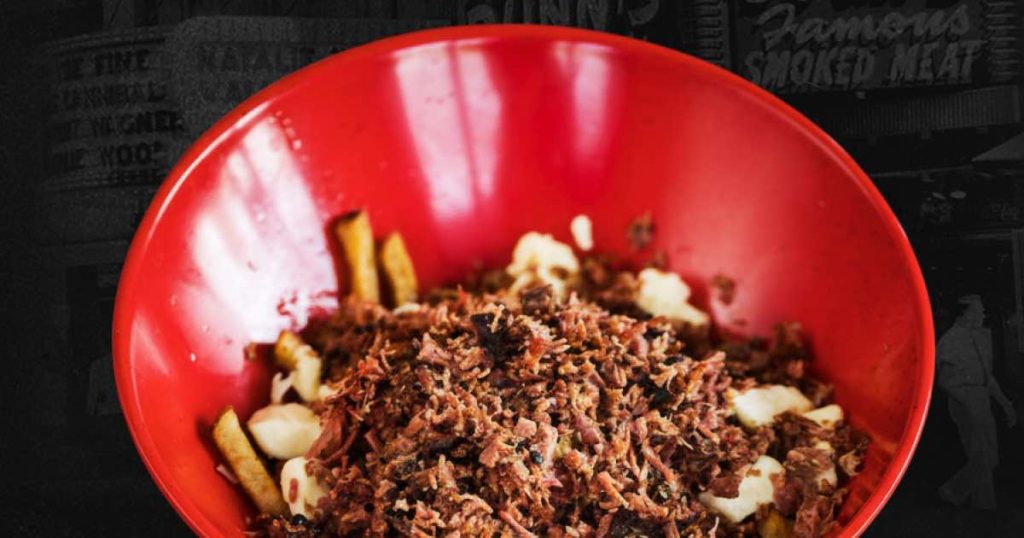
Si vous êtes confronté à l’inverse, c’est-à-dire un désastre friable et trop cuit, ne le servez pas en tranches. Une fois la structure perdue, l’aspect esthétique est également perdu. Il faut alors changer de stratégie. Hachez finement la viande et mélangez-la avec un peu de suif ou une sauce légère à base de vinaigre. Cela masque la texture granuleuse et permet d’obtenir d’excellents sandwichs ou une garniture décadente de poutine à la montréalaise.
Conclusion
Devenir une légende dans le milieu local demande plus qu’une simple recette : cela exige une véritable obsession pour le retour tactile de la viande. La poitrine de bœuf fumée à Montréal est un produit de tradition, et en maîtriser la texture constitue un rite de passage. En apprenant à distinguer les subtiles différences entre une tranche qui se plie et une tranche qui se brise, vous faites passer votre pratique du statut de simple passe-temps à celui d’art véritable.
Tenez un registre de chaque cuisson, en notant l’humidité ambiante, le type de bois utilisé et la sensation de la sonde. Avec le temps, vous n’aurez même plus besoin de thermomètre : vous saurez simplement, grâce au rythme du “jiggle”, que vous avez créé quelque chose digne du nom de la ville.
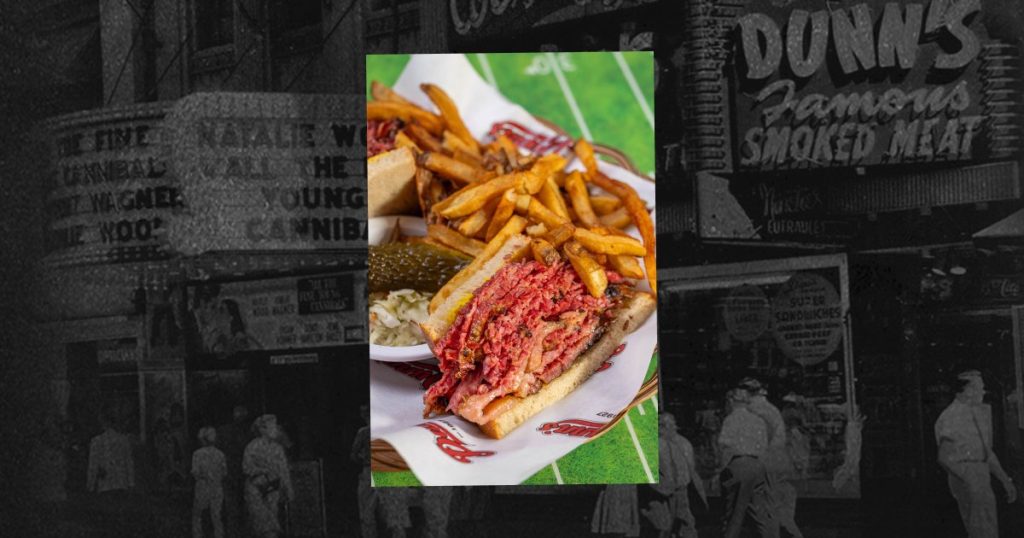
Si vous souhaitez goûter la meilleure viande fumée de Montréal comme point de référence, visitez Dunn’s Famous. Déguster la texture d’une poitrine de bœuf salée et fumée par des professionnels vous donnera une cible claire à atteindre dans votre propre cuisine.
FAQ
1. Combien de temps dois-je laisser reposer ma viande fumée avant de la trancher ?
Au moins une à deux heures. Le repos permet aux jus de se redistribuer dans toute la viande. Si vous la tranchez immédiatement, toute cette humidité s’échappera sur la planche, ce qui vous laissera une viande sèche, peu importe la qualité de la cuisson.
2. Pourquoi ma viande a-t-elle cessé de monter en température à 160°F ?
C’est ce qu’on appelle le “stall” (le palier). Cela se produit lorsque l’humidité s’évapore à la surface de la viande, ce qui la refroidit comme la sueur sur le corps humain. Vous pouvez soit attendre que cela passe, soit envelopper la viande dans du papier boucher ou du papier aluminium pour accélérer cette étape.
3. Dois-je trancher avec ou contre le grain ?
Toujours trancher contre le grain. Cela raccourcit les fibres musculaires, rendant chaque bouchée beaucoup plus tendre. Dans une poitrine de bœuf, le sens des fibres change entre le plat et la pointe, il faut donc être très attentif en avançant dans la découpe.
4. Puis-je utiliser un four ordinaire si je n’ai pas de fumoir ?
Oui, même si vous perdrez la signature fumée. Vous pouvez obtenir une texture similaire en rôtissant lentement à 225°F. L’ajout d’un peu de fumée liquide dans votre mélange d’épices ou votre marinade peut aider à reproduire cette saveur typique des charcuteries de Montréal.
5. Quelle doit être l’épaisseur des tranches ?
La norme dans l’industrie pour la viande fumée de Montréal est une épaisseur d’environ celle d’un crayon. Si votre viande est légèrement trop cuite, des tranches un peu plus épaisses peuvent aider à la maintenir. Si elle est un peu ferme, des tranches plus fines la rendront plus facile à mâcher.