Bien que la poutine soit maintenant reconnue comme un symbole mondial de la cuisine réconfortante canadienne, son parcours pour devenir un incontournable du paysage urbain est un chapitre relativement récent dans les annales culinaires. Le plat n'a pas réellement vu le jour en ville, mais Montréal est certainement l'endroit où il a grandi et s'est transformé d'une collation rurale en un phénomène gastronomique de renommée mondiale. Comprendre l'histoire de la poutine à Montréal demande de regarder comment un simple repas à trois ingrédients a conquis la ville gastronomique la plus sophistiquée du pays.
Qu'est-ce que la poutine?
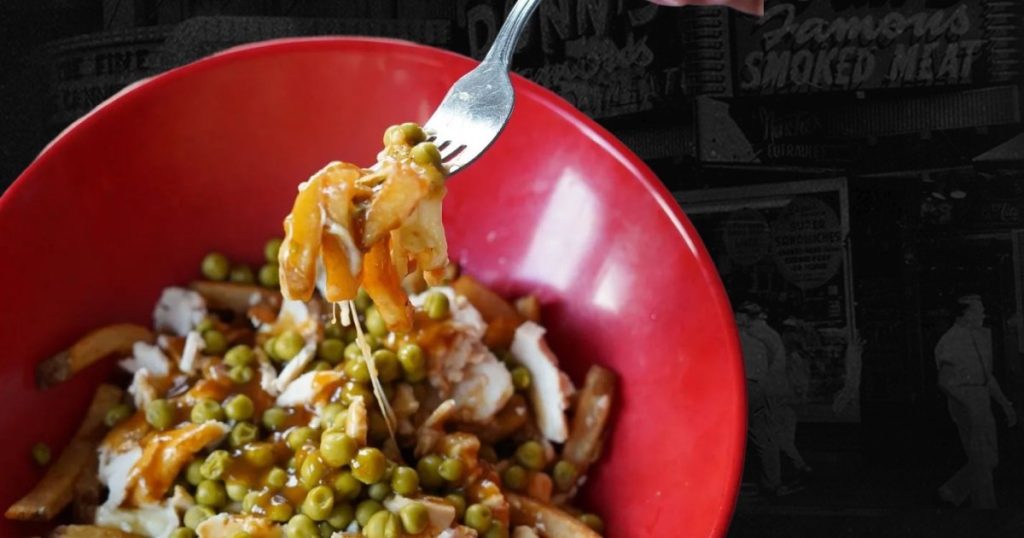
Avant d'explorer son ascension vers la gloire, il est essentiel de définir exactement ce qu'est la poutine. À son niveau le plus authentique, le plat se compose de trois éléments spécifiques qui doivent être parfaitement équilibrés. D'abord, il y a les frites fraîchement coupées, qui doivent être frites deux fois pour assurer un extérieur croustillant et un intérieur moelleux. Ensuite, il y a les crottes de fromage fraîches, souvent appelées fromage « couic-couic » à cause du son qu'elles font contre les dents quand elles sont parfaitement fraîches. Finalement, le plat entier est nappé d'une sauce brune chaude et savoureuse.
La magie du plat réside dans la température. La sauce doit être assez chaude pour réchauffer les crottes de fromage jusqu'à ce qu'elles atteignent une consistance molle et élastique, mais pas au point de les faire fondre complètement. Cet équilibre de textures — le croquant de la frite, le mâchouillage de la crotte de fromage et la richesse de la sauce — est ce qui définit l'expérience.
Les débuts ruraux : des années 1950 aux années 1960
L'histoire a commencé à la fin des années 1950 dans les régions riches en produits laitiers du Centre-du-Québec. Les casse-croûtes ruraux dans des villes comme Warwick et Drummondville ont été les premiers à expérimenter avec la combinaison de ces ingrédients. Les légendes locales suggèrent que les clients ont commencé à demander que des crottes de fromage soient ajoutées à leurs sacs de frites, créant une combinaison salissante mais délicieuse.
Pendant près de vingt ans, c'était considéré comme de la nourriture de campagne. C'était quelque chose qu'on trouvait dans les casse-croûtes en bordure de route et les petits restaurants de village, rarement vu dans les restaurants haut de gamme des centres urbains. C'était un repas pratique et riche en énergie pour les travailleurs et un favori des familles qui voyageaient à travers la campagne.
L'arrivée en ville : l'urbanisation des années 1980
La poutine n'a pas eu d'impact majeur sur la scène culinaire montréalaise avant le début des années 1980. Quand elle est finalement arrivée, l'adoption a été rapide. Elle est passée du bord de la route aux rues de la ville, devenant un repas de fin de soirée essentiel pour les étudiants et les travailleurs de nuit. Au milieu des années 1980, des établissements spécialisés ont commencé à ouvrir à travers la ville, offrant le trio classique d'ingrédients à un nouveau public urbain.
L'urbanisation du plat a été cimentée lorsque les grandes chaînes de restauration rapide internationales ont commencé à l'ajouter à leurs menus locaux. Elles ont reconnu que les Montréalais avaient développé un lien profond avec ce repas. Cette époque a marqué la transition du plat d'une curiosité régionale à un élément permanent de l'identité de la ville.
Pourquoi la poutine est populaire à Montréal
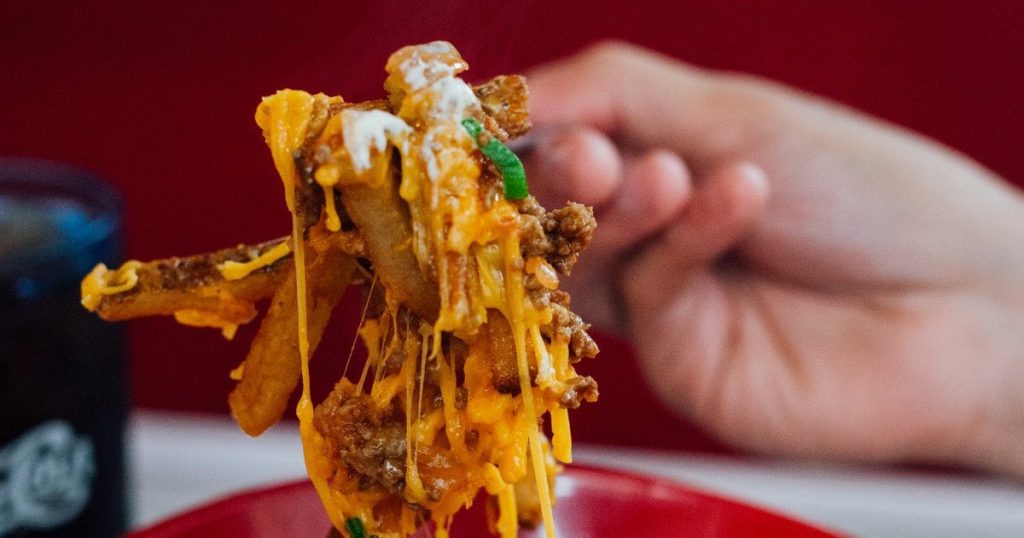
Il y a plusieurs raisons pour lesquelles la poutine est populaire à Montréal, mais la plus significative est la capacité unique de la ville à mélanger tradition et innovation. Montréal est une ville qui aime la cuisine réconfortante, mais qui a aussi des standards élevés en matière de qualité culinaire.
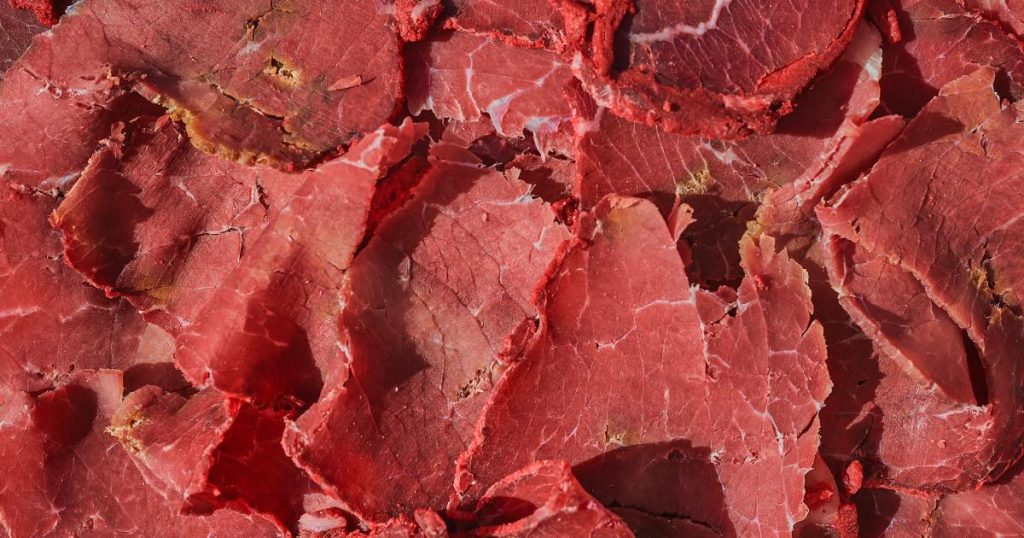
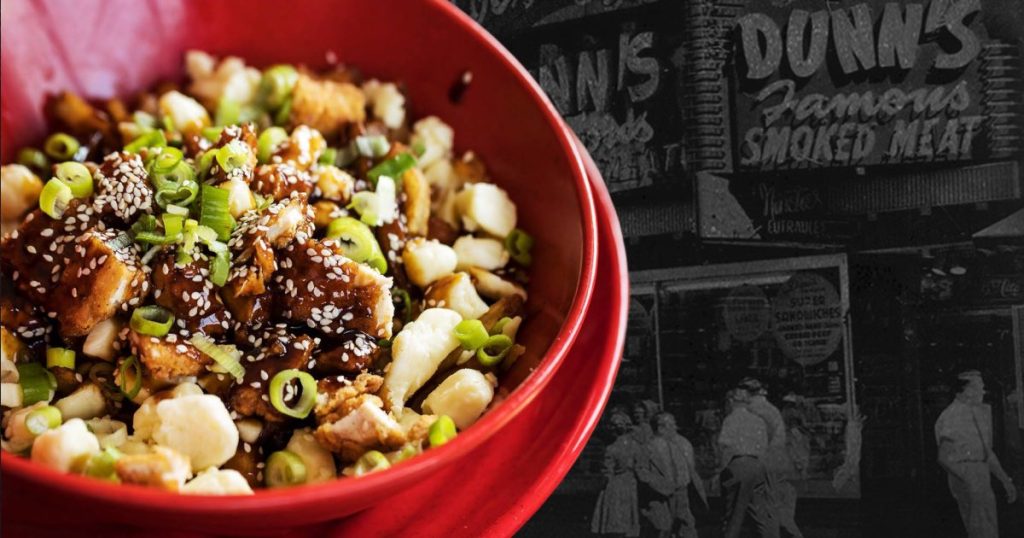
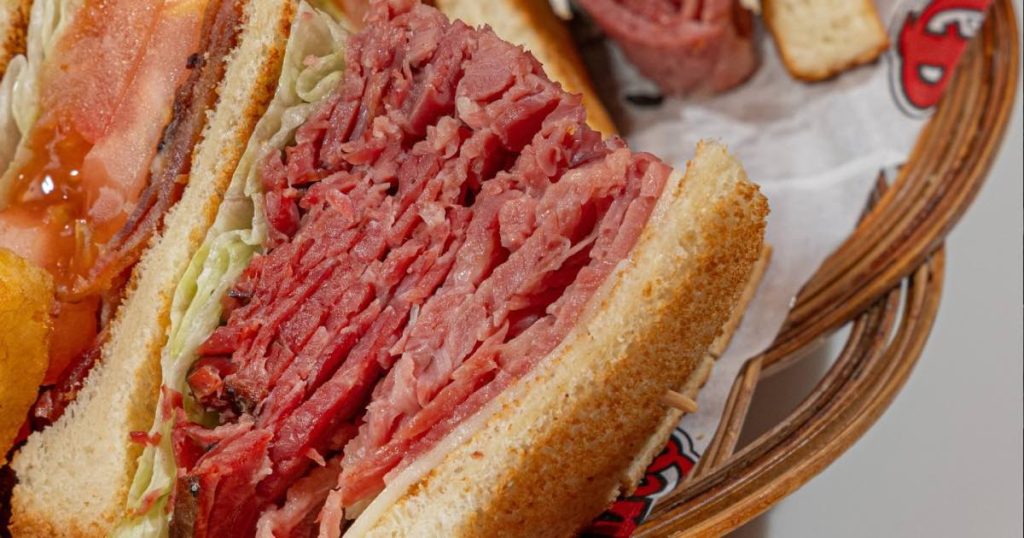
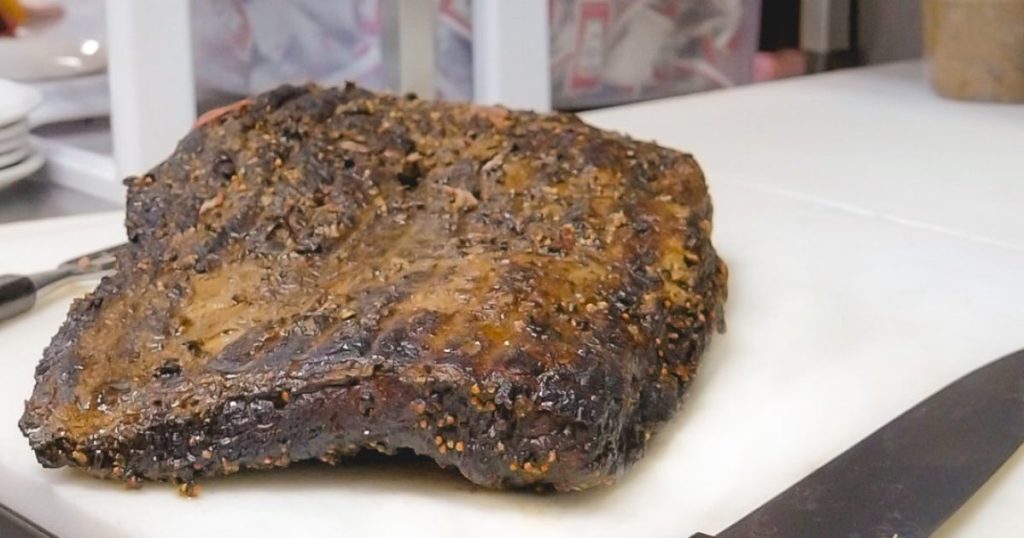
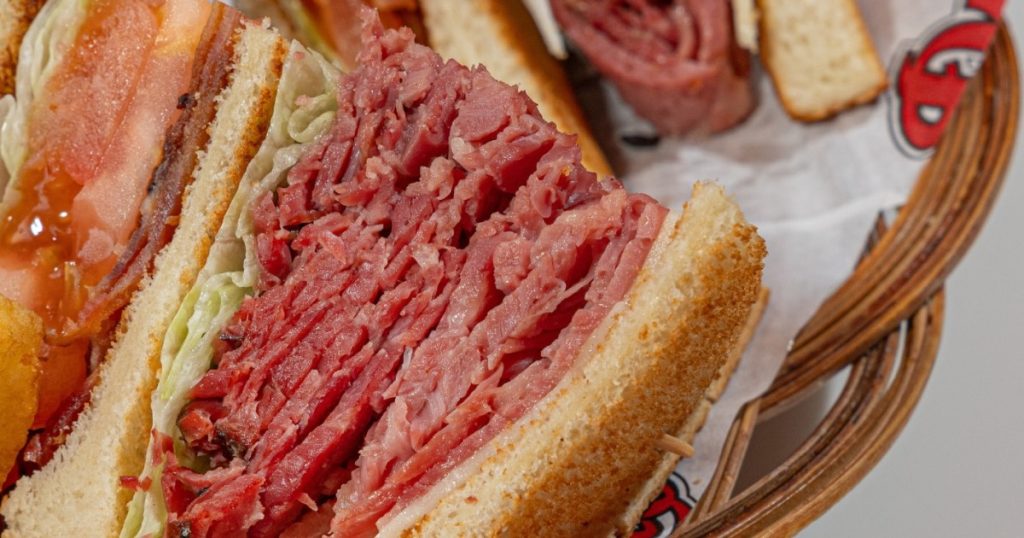
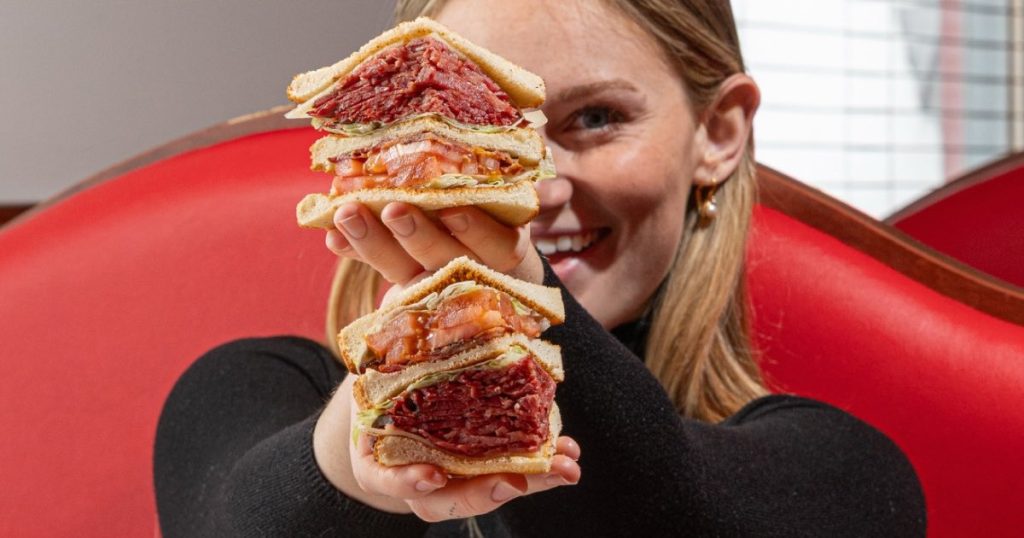
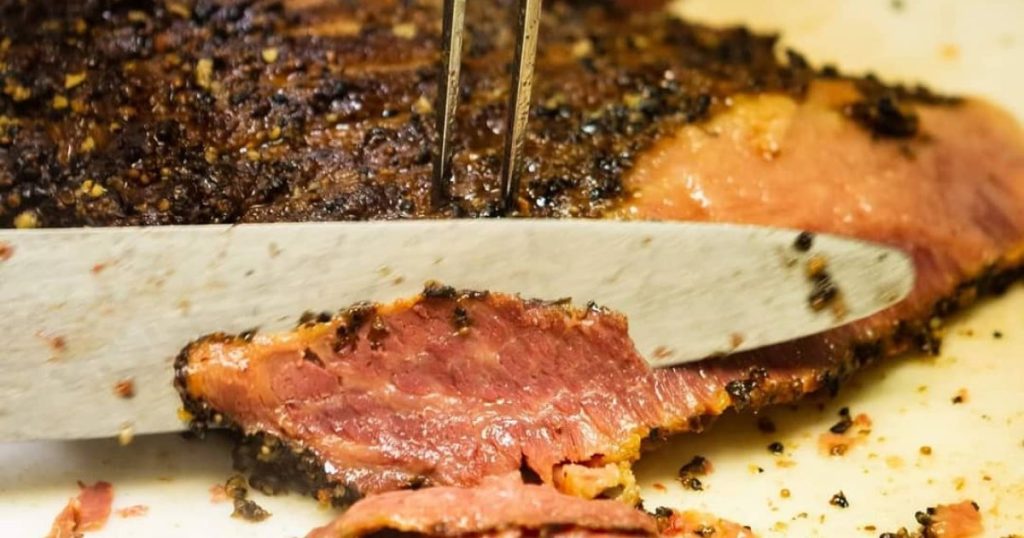
Les Montréalais ont pris la recette rurale de base et ont commencé à y ajouter leurs propres saveurs locales. C'est là que les meilleurs restaurants deli à Montréal ont joué un rôle crucial. En prenant l'emblématique poitrine de bœuf tranchée à la main de la tradition deli juive de la ville et en la déposant sur une poutine classique, un nouveau plat signature est né : la poutine à la viande fumée. Cette fusion représentait le double héritage de la ville, combinant une invention québécoise classique avec la légendaire viande fumée qui était un incontournable de la ville depuis 1927.
La révolution gastronomique
Au début des années 2000, l'histoire de la poutine à Montréal a pris un autre virage majeur. Les chefs locaux ont commencé à réaliser que le plat pouvait servir de toile pour des ingrédients haut de gamme. Cette révolution gastronomique a vu l'introduction de garnitures comme le foie gras, le homard et les côtes braisées.
Ces chefs ont prouvé que le plat n'était pas simplement de la malbouffe; c'était une création culinaire légitime qui pouvait être servie dans les plus belles salles à manger. Ce changement de perception a aidé le plat à gagner un respect international, menant à des festivals de poutine et à l'ouverture de restaurants spécialisés dans des villes comme New York, Londres et Paris.
Conclusion
Aujourd'hui, le plat est plus qu'un simple repas; c'est un reflet de l'histoire et de l'évolution de la culture québécoise. Il est passé d'un simple sac de frites et de fromage dans un petit village à une icône gastronomique complexe célébrée par le monde entier.
Quand vous nous visitez pour vivre un repas traditionnel, vous goûtez à des décennies d'évolution. Que vous préfériez la version classique ou notre célèbre variation à la viande fumée, vous participez à une tradition qui continue de définir l'esprit de la ville. Nous vous invitons à visiter Dunn's Famous, reconnu comme le meilleur restaurant deli à Montréal, pour savourer un plat qui est véritablement un morceau d'histoire locale.
FAQ
Q1. Où la poutine a-t-elle été inventée à l'origine?
La poutine a été inventée dans le Québec rural à la fin des années 1950. Bien que plusieurs villes revendiquent le titre de lieu de naissance, la plupart des historiens s'entendent pour dire qu'elle est née dans les casse-croûtes de Warwick ou de Drummondville avant de finalement se frayer un chemin vers la ville.
Q2. Quand la poutine est-elle devenue populaire à Montréal pour la première fois?
Le plat est arrivé à Montréal de façon majeure au début des années 1980. Il est rapidement passé d'une curiosité régionale à un incontournable à l'échelle de la ville, apparaissant dans les restaurants locaux et éventuellement sur les menus des grandes chaînes de restauration rapide internationales.
Q3. Quelle est la variation montréalaise classique de la poutine?
La variation locale la plus célèbre est la poutine à la viande fumée. Cette version combine les frites, les crottes de fromage et la sauce traditionnelles avec de la poitrine de bœuf tranchée à la main, représentant une fusion parfaite entre l'invention québécoise et l'héritage deli montréalais.
Q4. Pourquoi la poutine est-elle populaire à Montréal aujourd'hui?
Montréal est la capitale de la poutine parce qu'elle a comblé le fossé entre la cuisine de rue et la cuisine gastronomique. Les chefs de la ville ont été les premiers à élever le plat en utilisant des ingrédients de haute qualité, l'aidant à gagner un respect international en tant que création culinaire légitime.
Q5. Quels sont les trois éléments essentiels d'une poutine authentique?
Une vraie poutine doit avoir des frites fraîchement coupées, une sauce brune savoureuse et des crottes de fromage fraîches. Pour la meilleure expérience, le fromage doit être assez frais pour faire « couic-couic », et la sauce doit être assez chaude pour ramollir les crottes de fromage sans les faire fondre complètement.