The food industry has never been easy, but the past few years have made it significantly harder. Rising ingredient costs, labor shortages, and a consumer base that is more selective about where it spends its money have exposed the weaknesses in a lot of restaurant concepts that looked strong on paper. What has come out of that period of pressure is a much clearer picture of which food business models actually hold up and which ones do not.
For investors looking at franchise opportunities in 2026, the answer increasingly points toward proven, comfort-driven concepts, and deli franchises sit at the top of that list.
What Investors Are Looking For in 2026
The appetite for risk in food franchise investment has changed. A few years ago, novelty and trend-driven concepts attracted serious money. In 2026, investors are prioritizing resilience, operational simplicity, and concepts with a demonstrated track record over exciting but unproven ideas. The questions being asked before any franchise investment are practical ones: Does this concept perform across economic cycles? Does it have multiple revenue streams, and does the brand already carry enough equity to reduce the marketing burden on the franchisee? Deli franchises answer all three of those questions convincingly.
Why Deli Food is Recession-Resistant
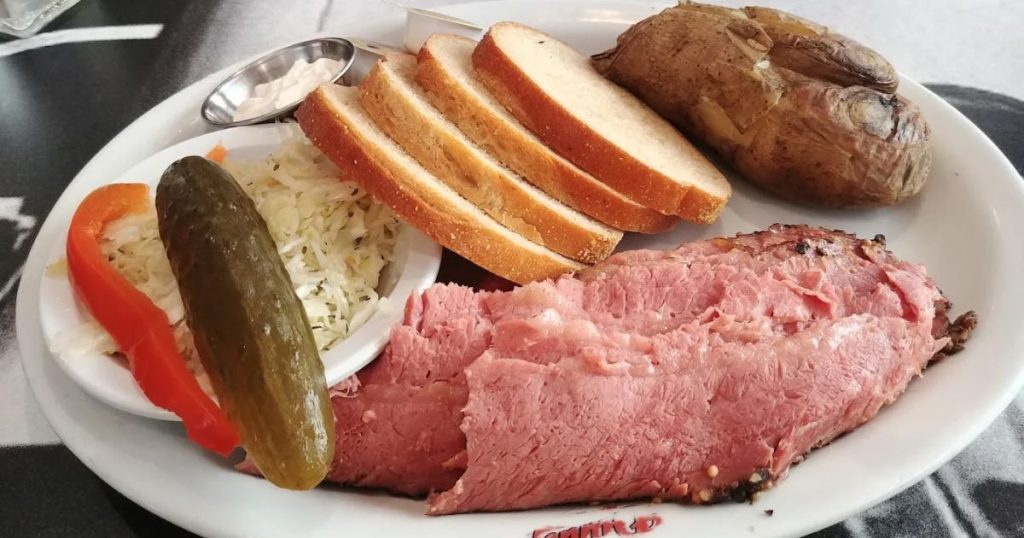
The stability of the deli business model comes down to what deli food actually is. Smoked meat sandwiches, classic comfort plates, and generously portioned staples are not luxury items, and they are not trend-dependent. They are the kind of food that people return to consistently because it satisfies in a way that more fashionable concepts cannot replicate. When consumer budgets tighten, people do not stop eating out entirely; they become more deliberate about where they go. A deli that delivers genuine quality and value holds its customer base through economic downturns in a way that fine dining and trend-driven restaurant concepts simply do not.
This recession-resistant quality is one of the most important factors in evaluating any food franchise business. A concept that performs well only when the economy is strong is not a stable investment. A deli franchise that has been serving the same core menu to loyal customers for decades is a fundamentally different kind of opportunity.
Why Montreal is One of the Strongest Markets for Deli Franchise Investment
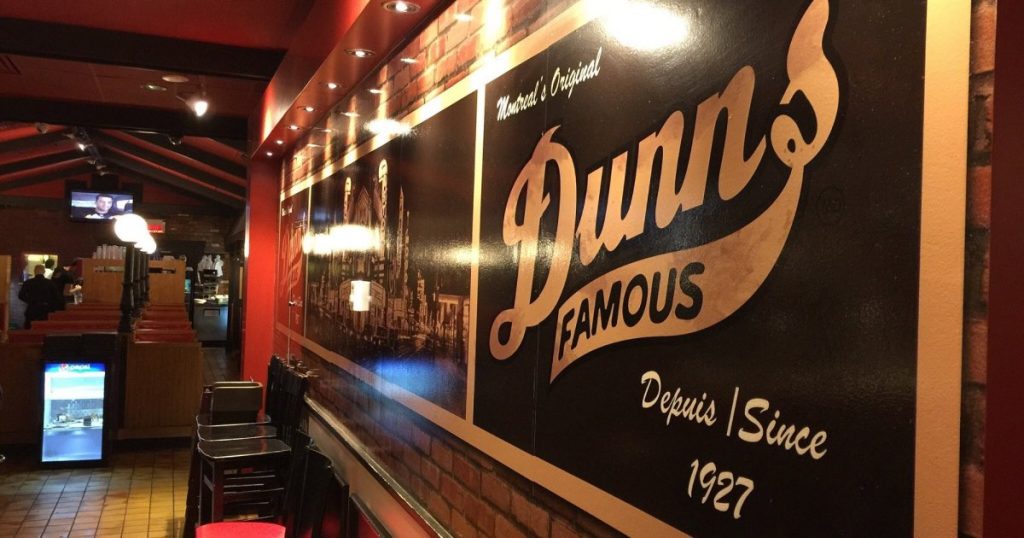
Not every market is equal when it comes to deli franchise opportunities, and Montreal stands out for several reasons that are specific to the city and the region. Montreal has a deli culture that goes back nearly a century, which means the customer base is already educated, already loyal, and already looking for quality rather than needing to be convinced of the concept. That built-in demand is something that investors in other markets have to spend years and significant marketing budgets to create.
Beyond the city itself, Greater Montreal is growing. Laval, Longueuil, St-Eustache, and the surrounding suburbs are expanding rapidly, creating new communities that represent genuine franchise opportunities for an established brand. Quebec consumers also have a strong and well-documented preference for heritage and local brands over generic national chains, which gives the best deli franchise in Montreal a competitive advantage that a new or unfamiliar concept cannot easily replicate.
What Makes a Deli Franchise a Smart Investment
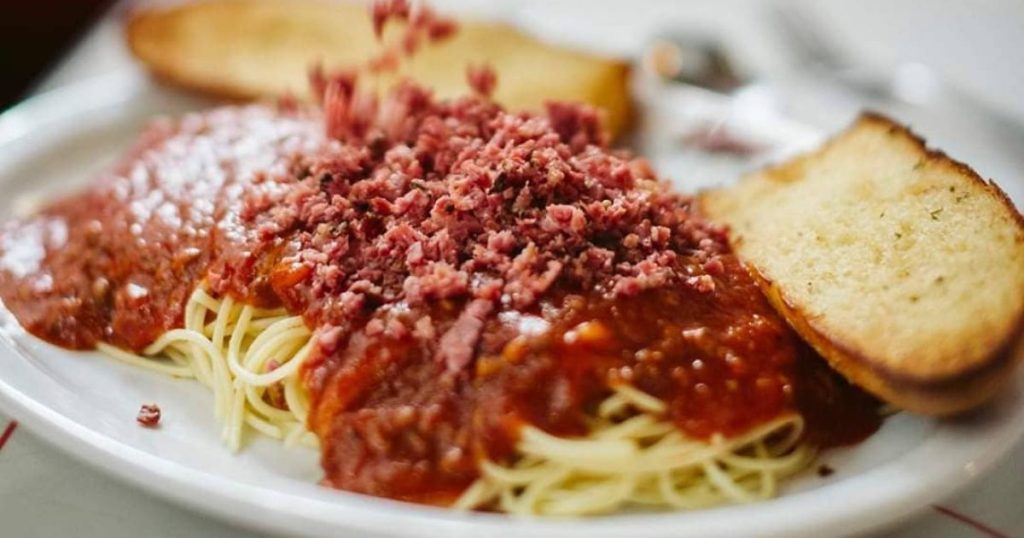
When evaluating any restaurant franchise in Canada, the fundamentals matter more than the surface appeal. A strong deli franchise opportunity combines several qualities that serious investors look for. The concept is proven: years or decades of operation mean the menu is established, the supply chain is understood, and the brand has already built the social proof that new concepts have to earn from scratch. The risk profile is lower than launching an original restaurant, particularly in the critical first two years when most food businesses either find their footing or fail.
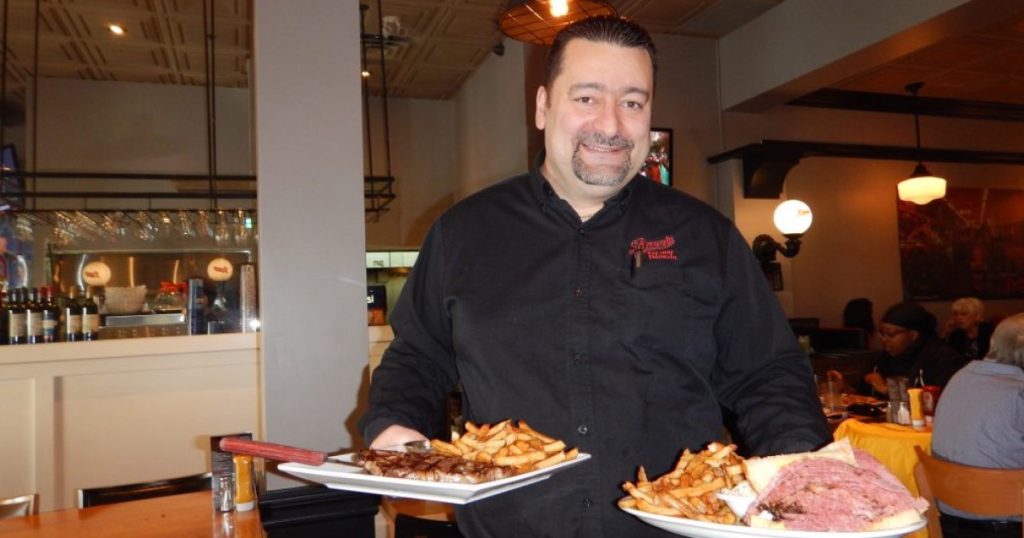
A well-structured deli franchise also offers multiple revenue streams beyond in-restaurant dining. Retail products, services de traiteur, and online ordering reduce dependence on foot traffic alone and create a more resilient business overall. That kind of diversification is exactly what investors are looking for in a food franchise business in 2026. Add to that the operational simplicity of a deli model compared to more complex kitchen formats, and the investment case becomes straightforward.
Conclusion
Montreal’s deli culture is not a passing trend; it is a permanent and deeply rooted part of how this city eats. For investors who understand the value of a proven concept, a loyal customer base, and a market that genuinely supports what they are selling, a deli franchise opportunity in Greater Montreal is one of the most compelling options available in the Canadian food franchise landscape right now. The stability is real, the demand is consistent, and the brand equity that comes with an established name does the kind of work that no marketing budget can fully replace.
If you are exploring deli franchise opportunities and want to learn more about what Dunn’s Famous has to offer, visit our franchise page and get in touch with our team.
Foire aux questions
Q1. Are food franchises a good investment in Canada in 2026?
Food franchises remain one of the most accessible and proven paths to business ownership in Canada. In 2026, the strongest opportunities are in concepts with demonstrated resilience, multiple revenue streams, and established brand equity, all qualities that well-run deli franchises consistently deliver.
Q2. Why are deli franchises more stable than other food businesses?
Deli food is comfort-driven, value-oriented, and not dependent on trends or seasons. It performs consistently across economic cycles because it serves a fundamental and recurring need rather than a discretionary one. That consistency is what makes the deli business model one of the most stable in the food industry.
Q3. What makes Montreal a strong market for food franchise investment?
Montreal has a deeply embedded deli culture, a strong and consistent tourism base, and a rapidly growing suburban market across Greater Montreal. Quebec consumers also strongly prefer heritage and local brands, which gives established Montreal deli franchises a significant advantage over generic national chains.
Q4. How do I explore franchise opportunities with Dunn’s Famous?
You can learn more about Dunn’s Famous franchise opportunities by visiting the franchise section of our website and reaching out to our team directly. We are always open to conversations with serious investors who share our passion for great food and the Montreal deli experience.