La science de la cure : Comment le temps et le sel créent le parfait smoked meat
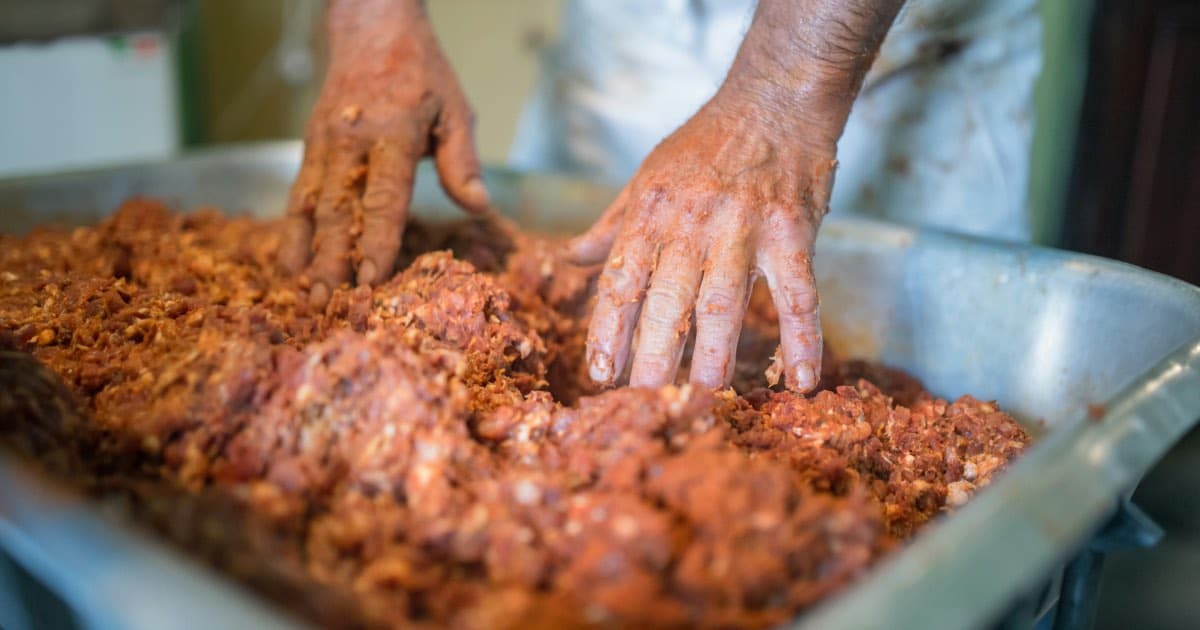

Lorsque vous pensez à un grand deli montréalais, vous pensez probablement au goût des épices ou à la tendreté du bœuf. Mais derrière ces saveurs incroyables, il y a une science très soigneuse et précise en action.
La cure de la viande est l'une des plus anciennes méthodes que les humains ont trouvées pour conserver les aliments, mais la faire correctement nécessite un équilibre parfait de sel, de température et de temps. Beaucoup de gens se demandent comment une poitrine de bœuf peut rester deux semaines sans se gâter.
La réponse réside dans le fascinant processus de la cure de la viande, qui transforme un morceau de bœuf cru en un chef-d'œuvre sûr et délicieux.
Le pouvoir du sel : Éliminer l'eau
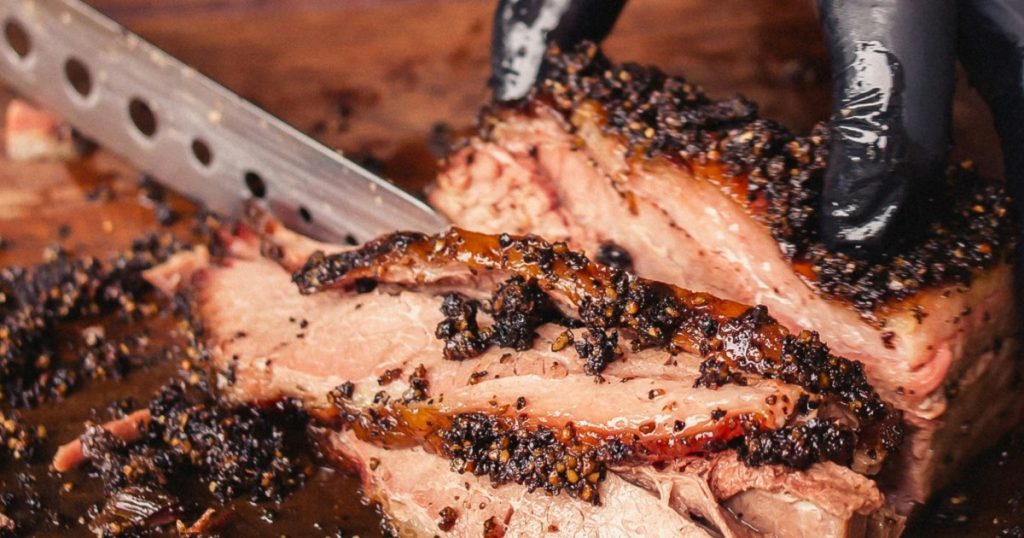
La première et la plus importante étape pour curer la viande en toute sécurité est l'utilisation du sel. Cela va bien au-delà d'un simple assaisonnement. Le sel agit par un processus appelé osmose, ce qui signifie essentiellement qu'il extrait l'humidité de la viande.
Les bactéries et les germes ont besoin d'eau pour survivre et se développer. En utilisant une couche épaisse de sel, nous affamons effectivement les mauvaises bactéries en leur retirant leur source d'eau. Une fois que le niveau d'eau dans la viande descend suffisamment bas, la plupart des germes nuisibles ne peuvent tout simplement plus y vivre. Dans le monde de la science, nous appelons cela la réduction de l'activité de l'eau. C'est la toute première ligne de défense qui garde la viande fraîche et sûre pendant le long processus de cure.
Le bouclier : Curer la viande avec du sel et des nitrates
Bien que le sel ordinaire fasse beaucoup du travail lourd, il n'est pas suffisant pour protéger contre tous les types de dangers. C'est pourquoi la cure de la viande avec du sel et des nitrates est la norme d'or pour les delis traditionnels. Les nitrates sont un type spécial de sel de cure qui agit comme un deuxième bouclier.
Le rôle le plus important des nitrates est d'empêcher la croissance de bactéries très rares mais dangereuses qui peuvent vivre dans des environnements sans oxygène, comme à l'intérieur d'un fumoir ou au centre d'une poitrine épaisse. Au-delà de la sécurité, les nitrates donnent également à la viande sa célèbre couleur rose. Sans eux, la viande deviendrait d'un gris ou d'un brun terne. Ces sels spéciaux empêchent également la graisse du bœuf de goûter le rance, garantissant que chaque bouchée est aussi fraîche que possible.
Surveiller le thermomètre : Froid et stable
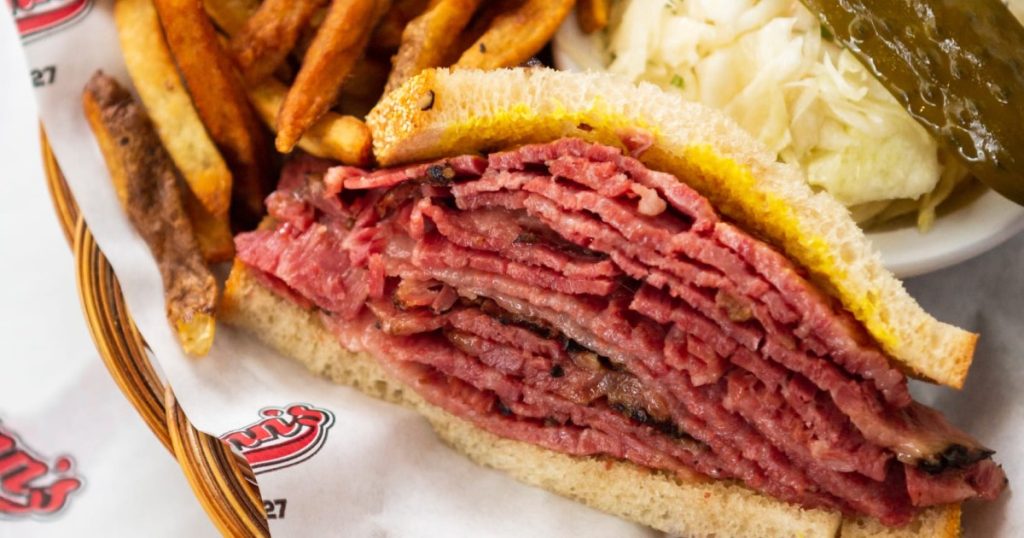
Même avec le bon sel et les nitrates, l'environnement où la viande se trouve est une grande partie de la sécurité alimentaire dans la cure de la viande. Vous ne pouvez pas simplement laisser la viande sur un comptoir et vous attendre à ce qu'elle se cure. Elle doit être conservée à une température froide très spécifique, généralement juste au-dessus du point de congélation.
Cette température froide agit comme une troisième couche de protection. Elle est suffisamment froide pour empêcher la viande de se gâter, mais juste assez chaude pour que le sel et les épices puissent lentement s'imprégner jusqu'au centre du muscle. Les cuisines professionnelles ont des chambres spéciales où l'air et l'humidité sont surveillés chaque heure pour s'assurer que les conditions ne changent jamais. Cette constance est ce qui permet à la viande de mûrir en toute sécurité pendant des jours, voire des semaines.
L'art de la cure du smoked meat montréalais
Lorsqu'il s'agit de curer le smoked meat montréalais, la patience est l'ingrédient le plus important. Contrairement à certaines entreprises industrielles qui injectent leur viande avec des produits chimiques pour accélérer le processus, la méthode traditionnelle prend du temps. Dans un endroit qui respecte l'art, la poitrine de bœuf sera laissée dans sa cure sèche pendant environ 14 jours.
Au cours de ces deux semaines, le sel et les épices pénètrent lentement à travers les fibres épaisses du bœuf. Cette longue attente fait deux choses : elle garantit que la viande est sûre de l'extérieur jusqu'au centre, et elle permet à la viande de se détendre et de devenir tendre. Une fois la cure terminée, la viande est fumée puis cuite à la vapeur, ce qui constitue un traitement thermique final pour rendre le bœuf 100 % prêt à manger.
Pourquoi la qualité compte
La science de la cure est une danse délicate. Si vous utilisez trop peu de sel, ce n'est pas sûr. Si la température n'est pas parfaite, la texture sera incorrecte. C'est pourquoi le meilleur smoked meat à essayer à Montréal provient toujours d'endroits qui le font depuis longtemps. Ils ont maîtrisé la science au fil des décennies, transmettant les mesures exactes et le timing nécessaires pour réussir à chaque fois.
Conclusion
La prochaine fois que vous dégustez un sandwich chaud et fumant, rappelez-vous que vous mangez le résultat d'un processus scientifique très soigné. De la façon dont le sel élimine l'humidité à la manière dont les nitrates protègent la saveur, chaque étape est conçue pour vous garder en sécurité tout en offrant le meilleur goût possible. C'est une tradition qui prend deux semaines complètes à réaliser, et vous pouvez vraiment goûter cette patience dans chaque bouchée.
Si vous souhaitez vivre cette histoire par vous-même, venez nous voir chez Dunn’s Famous. Nous perfectionnons l'art de la cure depuis 1927, et nous ne prenons jamais de raccourcis avec notre processus de 14 jours. Pour un repas qui est aussi sûr que délicieux, visitez notre emplacement phare sur la rue Metcalfe. Nous sommes fiers d'être le meilleur endroit pour quiconque souhaite essayer la version la plus authentique de ce classique montréalais. Venez vous asseoir et laissez-nous vous servir un sandwich préparé de la bonne manière !
FAQs
1. Est-il sûr de laisser la viande reposer pendant 14 jours ?
Oui, mais seulement si cela se fait dans un environnement contrôlé. Lorsque nous utilisons la bonne quantité de sel et maintenons la viande à une température froide très spécifique, cela empêche les mauvaises bactéries de se développer. Cela rend la viande sûre pour reposer et développer sa saveur pendant ces deux semaines.
2. Quelle est la différence entre le sel ordinaire et le sel de cure ?
Le sel ordinaire extrait l'humidité de la viande pour ralentir les germes. Le sel de cure, qui contient des nitrates, agit comme un bouclier spécial contre des bactéries très spécifiques et dangereuses que le sel ordinaire ne peut pas arrêter. Il donne également à la viande sa couleur rose et garde la graisse fraîche.
3. La cure de la viande change-t-elle la nutrition ?
Le principal changement lors de la cure est l'ajout de sel et d'épices. Bien que cela ne change pas la protéine de base du bœuf, le processus de cure décompose les fibres dures, rendant la viande beaucoup plus facile à digérer et à apprécier.
4. Pourquoi le smoked meat montréalais est-il toujours rose ?
La couleur rose est un résultat naturel de la réaction entre la viande et les sels de cure. Même après avoir été entièrement cuite et cuite à la vapeur à une température élevée, cette couleur rose reste verrouillée. Si la viande était brune, cela signifierait qu'elle n'a pas été curée selon la méthode traditionnelle.
5. Puis-je curer de la viande comme ça à la maison ?
Curer de la viande en toute sécurité nécessite des outils très précis pour mesurer les niveaux de sel, d'humidité et de température. Parce qu'une petite erreur peut rendre la viande dangereuse, il est généralement préférable de laisser cela aux professionnels dans un restaurant de smoked meat à Montréal où l'équipement est surveillé 24/7.
You May Also Like
 Les secrets et astuces du chef
Pourquoi la viande fumée maison n'a jamais le même goût que celle du deli
 Les secrets et astuces du chef
Comment savoir si votre viande fumée est parfaitement cuite : Un guide de température
 Les secrets et astuces du chef
Poutine au Viande Fumée : La Recette Ultime de Montréal
 Les secrets et astuces du chef