Open any professional kitchen or well-stocked pantry, and you will find a jar of la moutarde de Dijon. It’s more than just a spread; it is a foundational ingredient in classic cooking, essential for everything from salad dressings to sauces and glazes.
But what exactly separates this pale, tangy paste from the bright yellow squeeze bottle found at ballparks?
To truly appreciate its culinary power, we need to understand its unique ingredients, its bold flavor profile, and the simple chemistry that sets it apart. Here is everything you should know about Dijon mustard.
What is Dijon Mustard?
la moutarde de Dijon is defined by its method and core ingredients. Its identity is built on a specific choice of seed and acid.
The foundation of authentic Dijon is the primary use of brown or black mustard seeds (or a blend of both), rather than the mild white or yellow seeds found in most American mustards. These dark seeds contain compounds that deliver a much sharper, more intense heat.
Crucially, the acidic liquid used to process the seeds gives Dijon its signature flavor. Historically, the mustard makers of Dijon used verjuice, the highly acidic juice of unripe grapes, instead of distilled vinegar. While modern versions often use white wine or white wine vinegar to emulate that sophisticated, complex fruit tang, this tradition of using a wine-based acid is what truly created its distinctive identity.
The Flavor Profile: What Does Dijon Mustard Really Taste Like?

When you taste Dijon mustard, you experience a complex flavor that is sharp, tangy, and subtly wine-like, followed by a distinct, pleasant burn.
The intense heat comes from the brown seeds’ high concentration of a compound called sinigrin. When the seeds are crushed and mixed with liquid, an enzyme reaction occurs, releasing volatile sulfur compounds. This creates the sharp, “nose-clearing” sensation that cooks rely on. Because the seeds are finely ground and the paste is emulsified, the texture of Dijon is typically very smooth, creamy, and spreadable, with a color ranging from pale yellow to light brown.
The Comparison: How Dijon Differs from Yellow Mustard
The difference between Dijon and standard American yellow mustard boils down to a fundamental seed swap and the choice of acid.
In Dijon mustard, the crucial difference starts with the seed: it uses brown or black seeds, which are inherently more pungent and deliver a higher heat. This is contrasted with standard yellow mustard, which relies on white or yellow seeds that are significantly milder.
Secondly, the acid source differs greatly. Dijon’s sophisticated, tangy flavor comes from its liquid base of white wine, white wine vinegar, or traditional verjuice. This contrasts sharply with standard yellow mustard, which uses simple distilled white vinegar, providing a straightforward sour flavor.
Finally, appearance is different. Dijon’s pale yellow or light brown color is natural to its seeds and wine base. Conversely, standard yellow mustard achieves its intense, bright color through the heavy use of the additive turmeric.
The result of this substitution is dramatic: American yellow mustard is mild and sour, designed primarily as a topping. In contrast, Dijon is sharp, potent, and complex, designed to be integrated into the food to build flavor.
Culinary Applications: Common Uses for Dijon Mustard
The potent flavor and texture of Dijon mustard make it a powerful, functional ingredient in the kitchen:
- Essential Emulsifier: Its most crucial role is in vinaigrettes and mayonnaise. The compounds in Dijon act as natural emulsifiers, helping to bind oil and water together to prevent separation, resulting in smooth, stable dressings.
- Marinades and Glazes: Its acidity helps tenderize proteins, making it a perfect base for marinades used with pork, chicken, and beef. When mixed with honey or brown sugar, it creates classic savory-sweet glazes.
- Sauce and Coating Base: It adds a depth of flavor and creamy texture to warm pan sauces and is often used as a binder to help breadcrumbs or crusts adhere to meats, such as a herb-crusted rack of lamb.
- Sandwich Upgrade: Simply replacing yellow mustard with Dijon instantly elevates the flavor profile of any burger or sandwich with a sophisticated, sharp tang.
What Dijon Mustard Is a Must-Try in Canada?
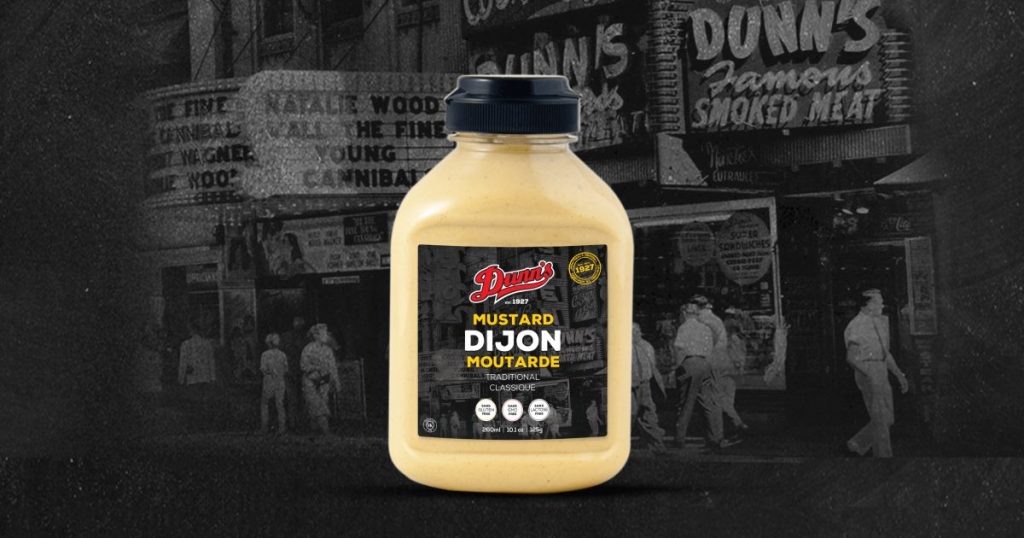
When searching for the best Dijon mustard in Canada, quality often comes down to ingredient integrity. While many global brands are available, supporting local businesses that prioritize flavor is always worthwhile.
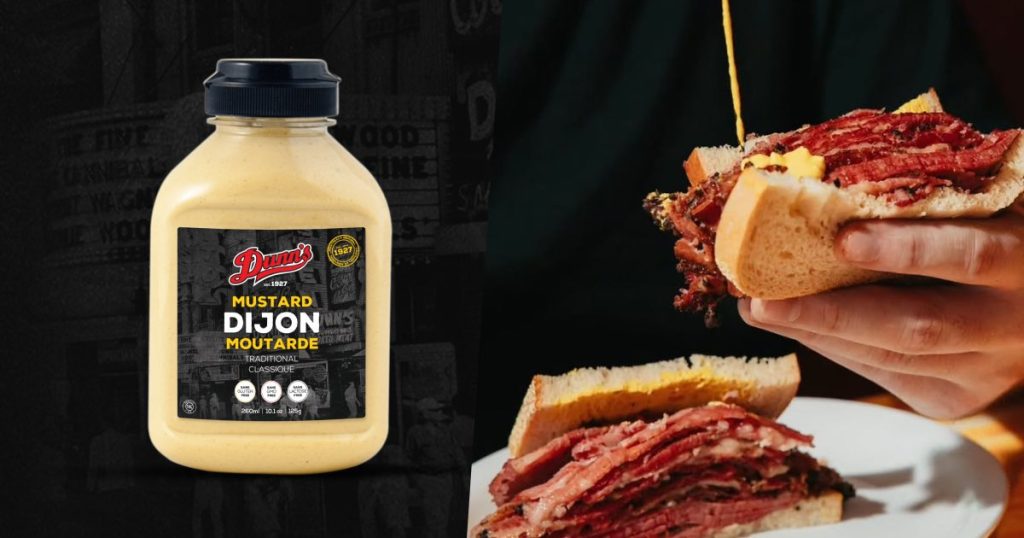
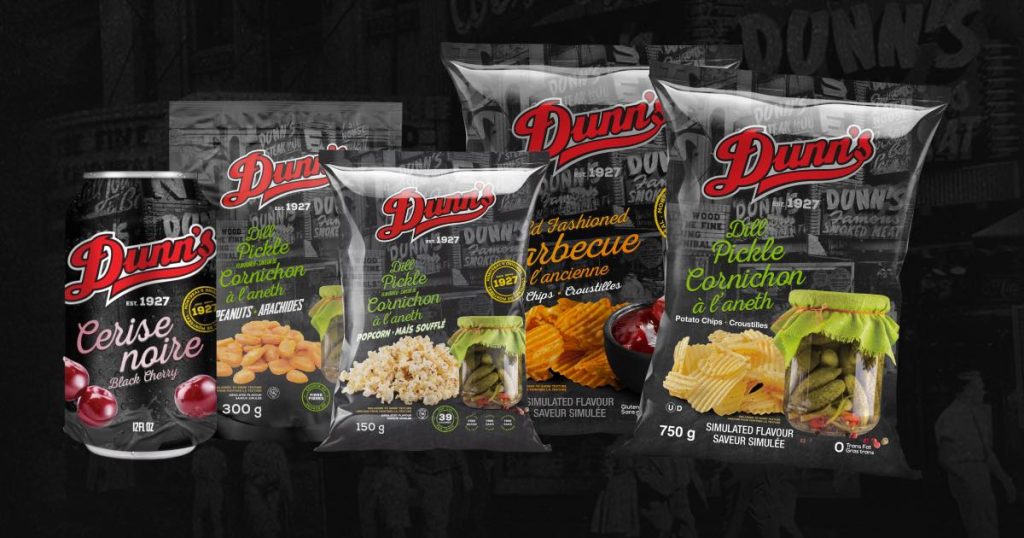
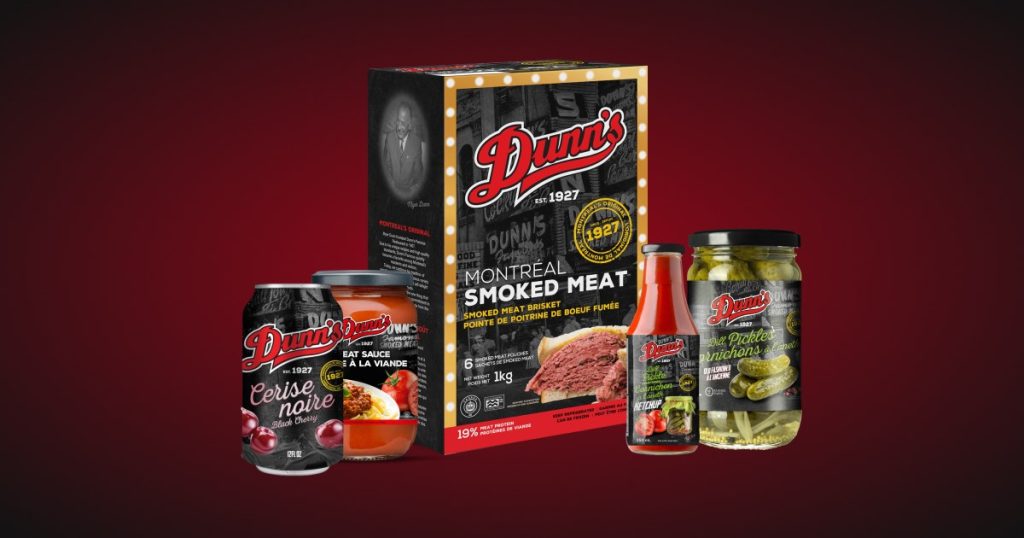
If you are looking for a distinctly delicious Dijon to use in your next marinade or vinaigrette, we highly recommend trying the Dunn’s Famous Dijon Mustard. This specific blend embodies the rich, sharp flavor profile needed for all your culinary needs.
You can find the retail product in Montreal at locations like Marshalls, HomeSense, and Costco. Add a jar to your pantry today and taste the difference a premium, high-quality mustard makes in your everyday cooking.
Conclusion
The complexity of Dijon mustard, derived from its dark, sharp seeds and its wine-based liquid, is what secures its status as a timeless culinary essential. It offers a sophisticated flavor and crucial binding power that standard condiments simply cannot match. Whether you are creating a classic vinaigrette or elevating a simple sandwich, choosing Dijon means choosing a richer, sharper, and more refined flavor experience.
Upgrade your pantry today! Find Dunn’s Famous Retail Dijon Mustard at Marshalls, HomeSense, and Costco, and bring the rich, sharp flavor home.
FAQ
1. What is the main difference between Dijon and standard yellow mustard?
Dijon uses brown or black mustard seeds and white wine or white wine vinegar, resulting in a complex, sharper flavor. Yellow mustard uses milder white/yellow seeds and distilled white vinegar, often with turmeric for color.
2. Why does Dijon mustard have a distinct “bite” or sharp heat?
The heat comes from the brown and black seeds, which contain high levels of the compound sinigrin. When mixed with liquid, this compound releases volatile sulfur compounds that create the characteristic “nose-clearing” sharpness.
3. Is Dijon mustard good for cooking, or is it just a spread?
Dijon is excellent for cooking. It is a powerful emulsifier, making it essential for stabilizing vinaigrettes and sauces (like mayonnaise or aioli). It also serves as a tenderizing base for marinades.
4. What is “verjuice” and how does it relate to Dijon?
Verjuice is the highly acidic juice of unripe grapes. Historically, authentic Dijon mustard used verjuice instead of vinegar, which gave it a sophisticated, wine-like tang that modern Dijon mustards try to emulate with white wine.
5. Where can I find Dunn’s Famous Retail Dijon Mustard in Montreal?
You can purchase Dunn’s Famous Retail Dijon Mustard at various locations, including Marshalls, HomeSense, and Costco stores.