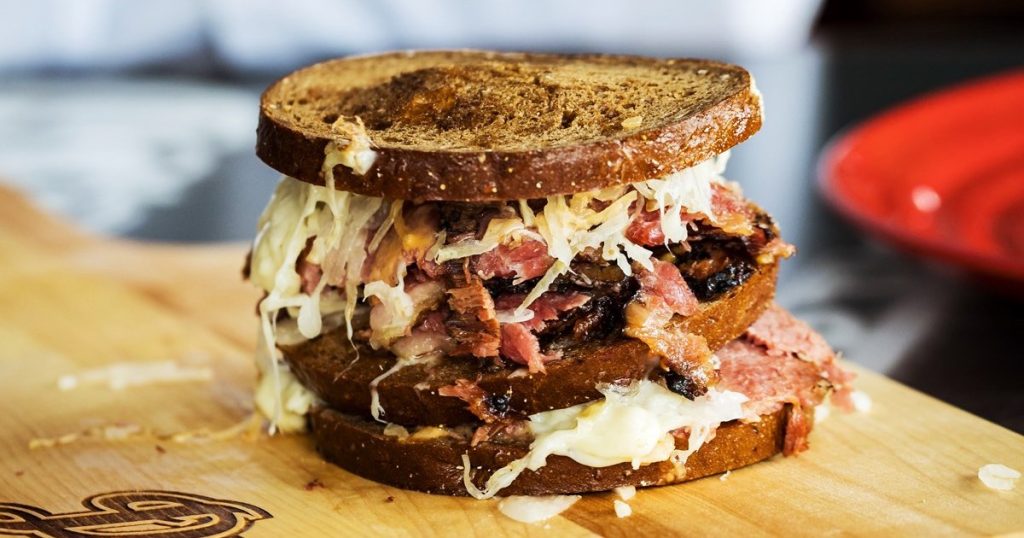
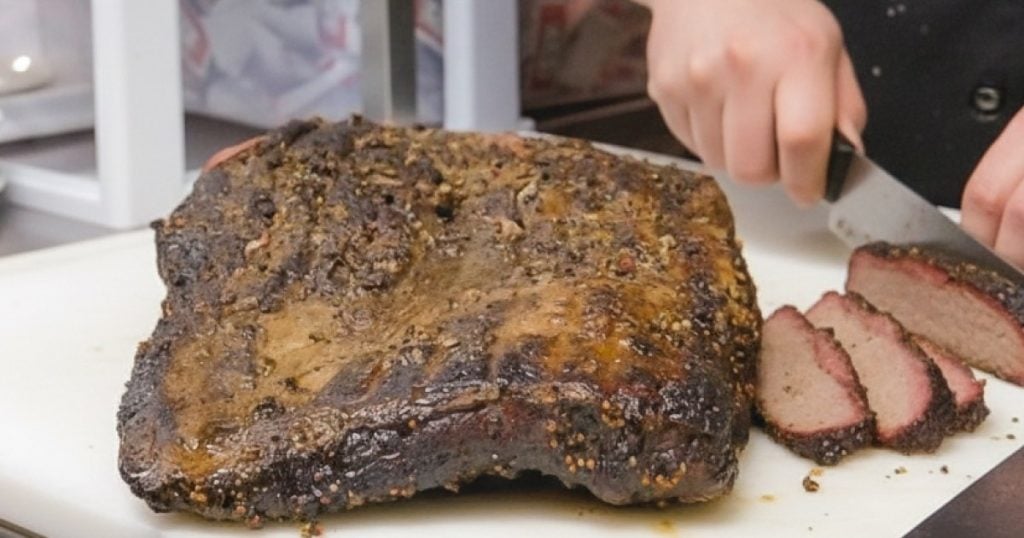
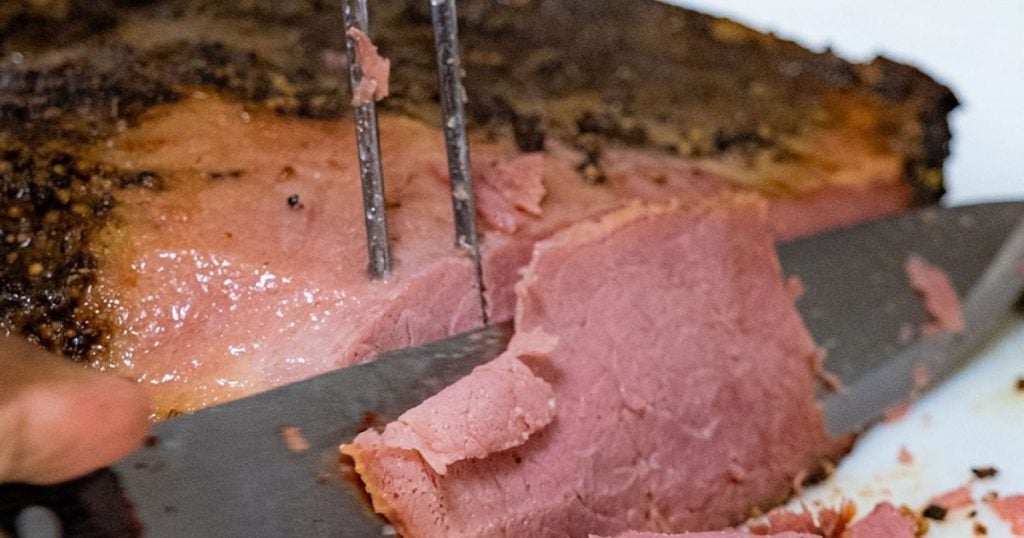
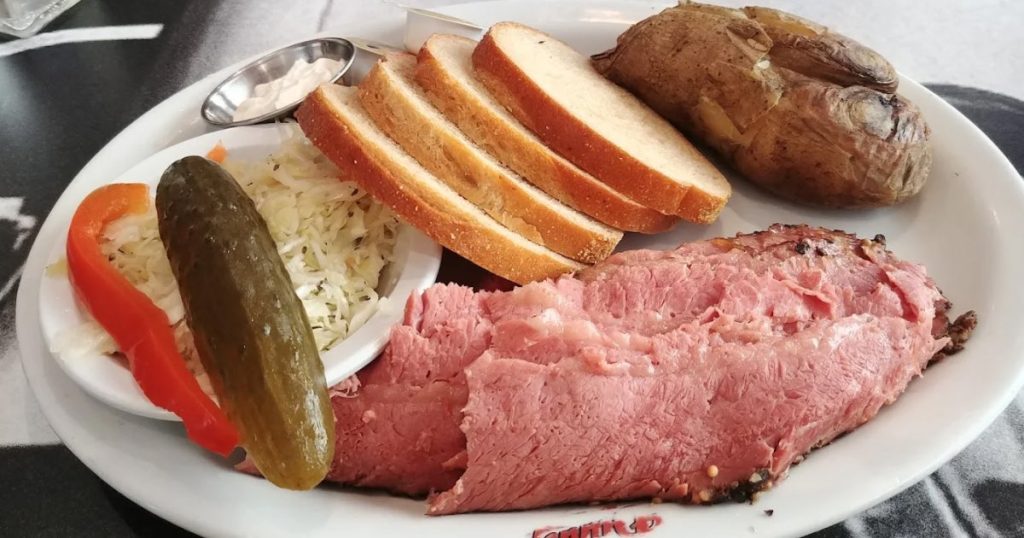
Everyone who loves La viande fumée de Montréal can appreciate the two pillars of its creation: the weeks-long curing process that builds flavor and the unique wood smoke that provides aroma. But the true, often-unseen secret to the meat’s legendary, melt-in-your-mouth texture happens at the very end.
The process of gentle heating is the final, non-negotiable culinary technique that separates a perfectly sliced deli sandwich from an ordinary one. We are talking about steaming.
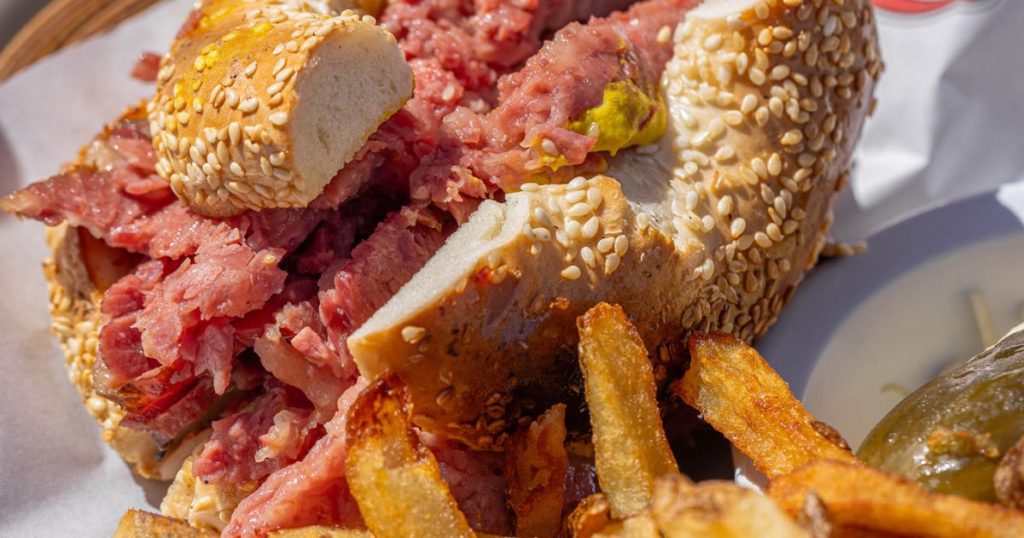
This blog reveals why steaming smoked meat is the most crucial step in the entire preparation process, achieving the required tenderness and moisture that defines the dish served at the best smoked meat restaurant in Montreal.
Defining the Process: What Steaming Means in the Deli World
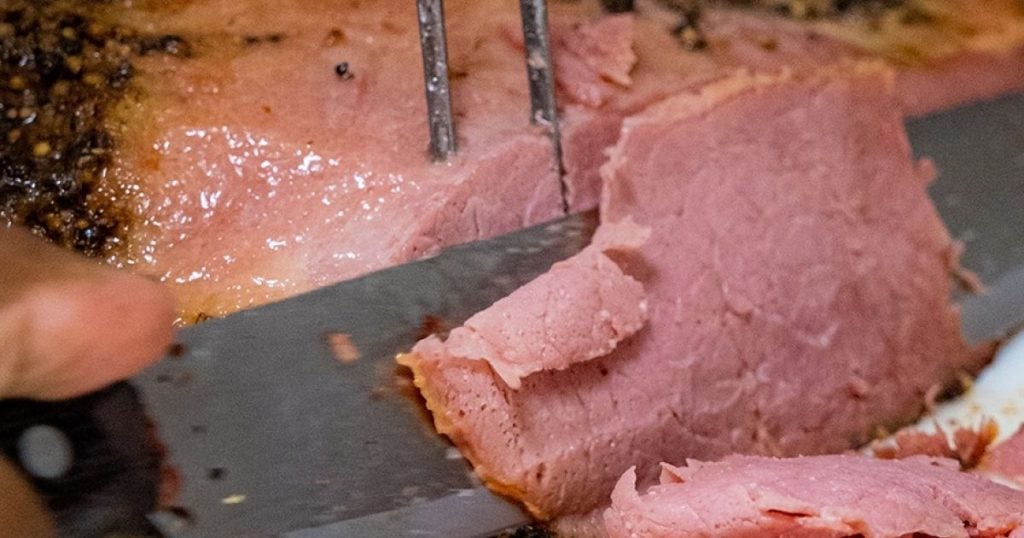
Steaming is a final finishing technique applied to the brisket after it has been fully cured, rubbed with spices, and slow-smoked. It is not part of the initial cooking process but a dedicated preparation step performed immediately before the meat is sliced and served.
- The Purpose: Steaming is the process of gently reheating the fully cooked brisket using high-temperature, moist heat. The goal is to raise the internal temperature to serving heat while simultaneously modifying the meat’s internal structure.
- The Equipment: This requires a dedicated, sealed steamer, often a large commercial steam cabinet, designed to circulate hot, high-humidity steam. This ensures the meat is surrounded by vapor and never comes into contact with liquid water.
- Key Difference: Unlike boiling (which leaches flavor and moisture) or grilling (which dries out the surface), steaming uses pure, moist heat to penetrate the meat rapidly without sacrificing the precious spice crust or drying out the fibers.
Why Steaming is Non-Negotiable

This is where the magic happens. The high, moist heat of the steam transforms the brisket on a molecular level, creating the signature texture we all crave.
1. Gelatinizing Collagen: Brisket is a tough cut due to its high connective tissue content (collagen). The steam’s moist, high heat is essential for breaking down this tough collagen. The collagen is converted into smooth, succulent gelatin, which then binds the meat fibers, resulting in the famous “fall-apart” structure that requires very little chewing.
2. Rendering the Fat: The high temperature activates the fat retained in the medium cut brisket. This heat slowly melts the fat, turning it into a rich liquid that constantly self-bastes the muscle tissue from the inside, ensuring every slice is internally lubricated.
3. Rehydration: Curing and smoking naturally cause moisture loss. Steaming reverses this dehydration, injecting life and moisture deep into the meat fibers. This process ensures the meat is juicy, wet, and succulent, rather than firm and dry.
The Consequences of Skipping the Steam
If you skip the crucial step of steaming smoked meat, the resulting texture is fundamentally flawed.
The Textural Disaster: Without steam, the un-rendered fat remains waxy, the collagen stays tough, and the meat fibers are dry. The texture is firm and dense, making it difficult to slice cleanly and requiring forceful chewing.
Dryness and Firmness: The meat will taste dry and firm, feeling much closer to stiff jerky than tender deli meat.
Abrasive Flavor Profile: The aromatic spice rub will feel abrasive and dusty on the palate because the fat has not melted to dissolve and carry the flavor uniformly.
Three Mistakes to Avoid When Steaming Smoked Meat
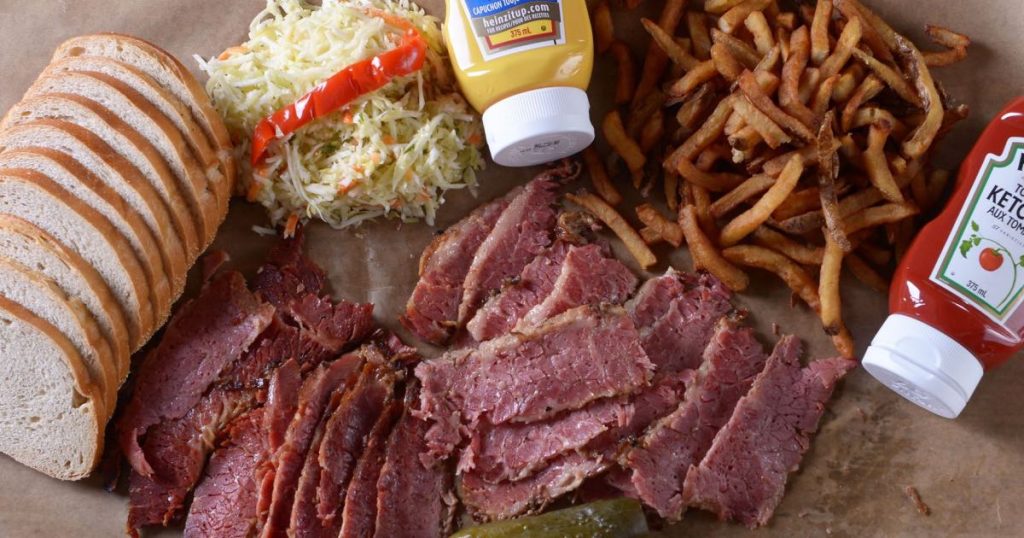
Even when steaming, technique matters. Avoid these three common errors to ensure perfection:
Mistake 1: Boiling Instead of Steaming: Using simmering water or a pot where the meat is partially submerged is a mistake. The meat must be suspended above the water line, surrounded entirely by hot steam, not wet liquid, to prevent leaching of flavor.
Mistake 2: Steaming Too Long: Over-steaming can cause the meat to become mushy, destroying its structure and making it difficult to slice thinly.
The Fix: Steam only until the core reaches serving temperature and is fork-tender.
Mistake 3: Improper Resting/Holding: Steaming must be done just before slicing. Holding the meat for too long after steaming allows condensation to accumulate and waterlog the brisket. The Fix: Steam in small batches and carve immediately for the signature “melting” effect.
Conclusion
While the cure and smoke build the savory foundation, the final steam is what elevates Montreal smoked meat to its iconic status. It is the scientific and culinary step that brings forth the perfect texture: moist, tender, and effortlessly succulent. The care taken in this final step is what maintains the high standard of the best smoked meat restaurant in Montreal.
Rendez-vous chez Dunn’s Famous today and order your next smoked meat sandwich, medium cut and steamed to perfection. You’ll experience the incredible difference the final step makes!
FAQ
1. What is the main purpose of steaming Montreal Smoked Meat?
To achieve fall-apart tenderness. Steaming converts tough collagen into gelatin and renders internal fat, which self-bastes the meat, ensuring maximum juiciness and flavor.
2. How does steaming differ from boiling the smoked meat?
Steaming uses hot vapor, preventing the meat from contacting liquid water. Boiling leaches out flavor and moisture, resulting in a waterlogged and less flavorful product.
3. What happens to the smoked meat if I skip the steaming step?
The meat will be firm, dry, and difficult to chew because the collagen remains tough and the fat remains waxy and un-rendered.
4. What is the ideal internal temperature for steamed smoked meat?
The core should reach serving temperature, typically around 82 degrees Celsius. This heat is necessary for tenderness and proper slicing.
5. How long should I rest the smoked meat after steaming?
It must be sliced and served immediately. Holding it allows moisture to condense and cool, which negatively impacts the signature texture.