What Is a Dill Pickle and How to Make One at Home
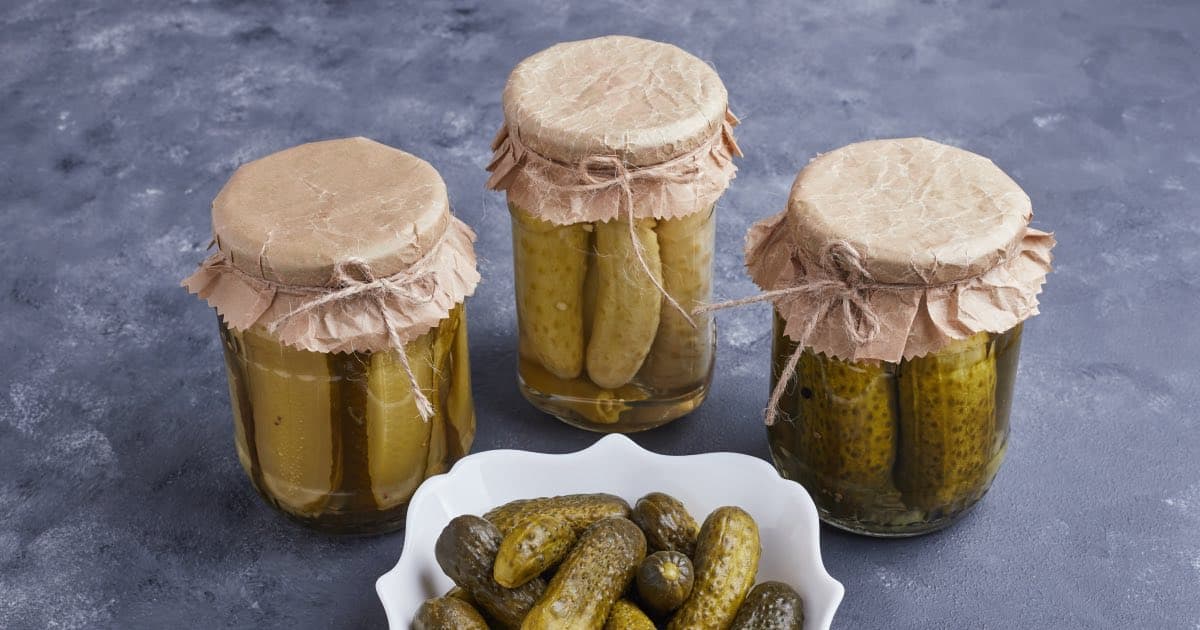

Dill pickles are one of the most instantly recognizable flavors in North American food culture. Most people have strong opinions about them, reach for them automatically alongside a deli sandwich, and can identify the flavor within the first second of tasting it. Yet very few people have ever stopped to think about what actually makes a dill pickle a dill pickle, what goes into the brine, why it tastes the way it does, and how the process of making one works from start to finish.
This guide covers all of it, from the definition and the key ingredients to two recipes you can actually follow at home.
What Is a Dill Pickle
A dill pickle is a cucumber that has been preserved in a seasoned brine and flavored primarily with dill, one of the most distinctive herbs in North American and Eastern European cooking. Dill has a fresh, slightly grassy flavor with a subtle anise-like quality that becomes more concentrated and complex when it is combined with the acidity of a pickle brine. It is that combination: the tang of the brine, the freshness of the dill, and the sharpness of garlic, that produces the specific flavor profile most people recognize immediately as dill pickle.
Garlic is not optional in a proper dill pickle recipe. It is the essential companion to dill in any good brine, and the two flavors together are what create the full dill pickle taste that goes beyond simple sourness. Without garlic, a dill pickle is sharp and one-dimensional. With it, the flavor has depth, warmth, and the kind of complexity that makes you reach for another one before you have finished the first.
Fermented vs Vinegar Pickles: The Most Important Distinction
This is the part of the dill pickle story that most people do not know, and that makes the biggest difference in understanding why some pickles taste dramatically better than others. There are two fundamentally different methods for making a dill pickle, and they produce two very different results.
Fermented dill pickles, also called naturally fermented or lacto-fermented pickles, are made without any vinegar. The cucumbers are submerged in a salt brine and left at room temperature for several days while naturally occurring bacteria convert the sugars in the cucumber into lactic acid. That lactic acid is what preserves the pickle and gives it a complex, tangy flavor that develops gradually over time. This is the traditional method that Eastern European Jewish immigrants brought to North America, and that became the foundation of deli pickle culture in cities like Montreal. The flavor is deeper, more layered, and more interesting than anything a vinegar brine produces.
Vinegar pickles are made by combining cucumbers with a solution of vinegar, water, salt, and flavorings. They are faster to make, more predictable in flavor, and far more common in grocery stores. The acidity comes from the vinegar rather than from fermentation, which produces a sharper, cleaner taste without the complexity that comes from the fermentation process. Both methods produce a genuinely good dill pickle, but they are not the same product, and understanding that difference is what separates a casual pickle eater from someone who genuinely knows their pickles.
What Makes a Great Dill Pickle
Before getting into the recipes, the ingredients that matter most are worth understanding properly. The cucumber variety makes a significant difference: smaller, firm cucumbers like Kirby or pickling cucumbers hold their crunch through the brining process far better than large slicing cucumbers, which tend to go soft.
Fresh dill weed adds a bright, herbaceous quality while dill seeds contribute a warmer and more concentrated dill flavor. Using both gives the most complete result. Pickling salt rather than regular table salt should be used because table salt contains additives that can cloud the brine and affect the flavor. Mustard seeds, peppercorns, and coriander are optional additions that add spice depth without overpowering the dill.
Recipe 1: Quick Refrigerator Dill Pickles
Ingredients
500g small pickling cucumbers, sliced or left whole
2 cups white vinegar
2 cups water
2 tablespoons pickling salt
4 garlic cloves, peeled and crushed
A generous handful of fresh dill weed
1 teaspoon dill seeds
1 teaspoon black peppercorns
Optional: 1 teaspoon mustard seeds
Instructions: Combine vinegar, water, and salt in a saucepan and bring to a boil until the salt dissolves completely. Pack the cucumbers tightly into a clean jar with the garlic, fresh dill, dill seeds, peppercorns, and any optional spices. Pour the hot brine over the cucumbers, making sure everything is fully submerged. Let the jar cool to room temperature before sealing and refrigerating. The pickles are ready to eat after 24 to 48 hours and keep in the refrigerator for up to six weeks.
Recipe 2: Fermented Dill Pickles
Ingredients
500g small pickling cucumbers, left whole
2 cups water
1 tablespoon pickling salt
4 garlic cloves, peeled and crushed
A generous handful of fresh dill weed
1 teaspoon dill seeds
1 teaspoon black peppercorns
Instructions: Dissolve the salt in water to create the brine; no heating required. Pack the cucumbers into a clean jar with the garlic, fresh dill, dill seeds, and peppercorns. Pour the salt brine over the cucumbers, making sure they are fully submerged. Place a small weight on top to keep the cucumbers below the brine line. Cover the jar loosely with a cloth or lid that allows gas to escape and leave at room temperature away from direct sunlight for three to seven days. Taste daily from day three and refrigerate when the sourness reaches the level you prefer. The pickles continue developing flavor in the refrigerator and keep for several months.
Why Dill Pickles Belong on a Deli Plate
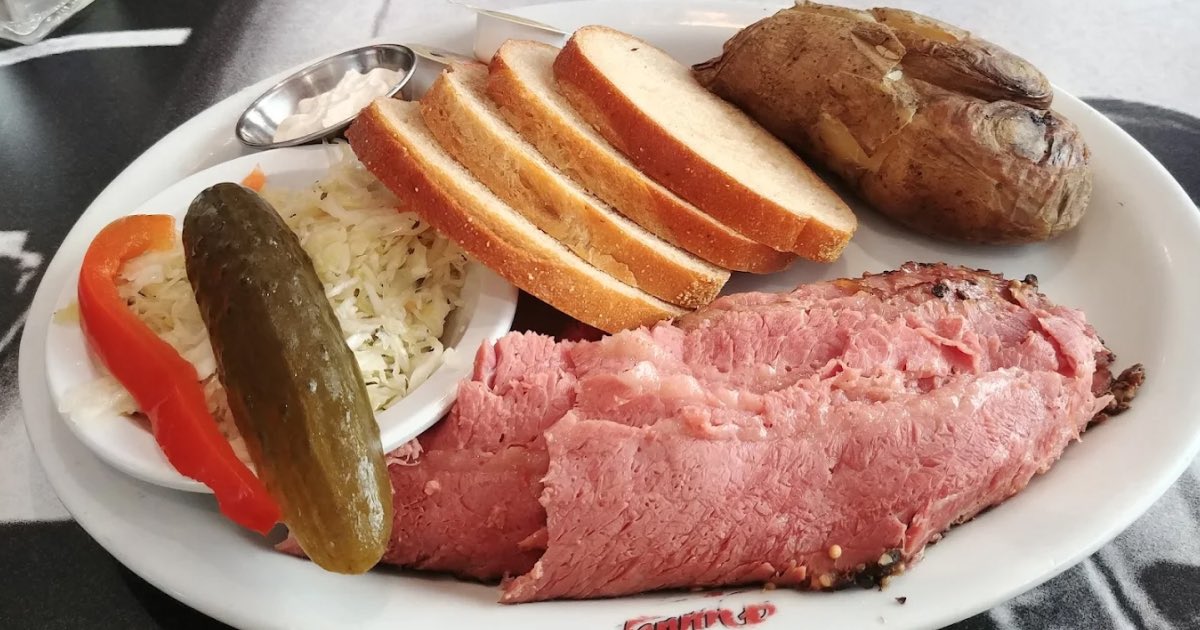
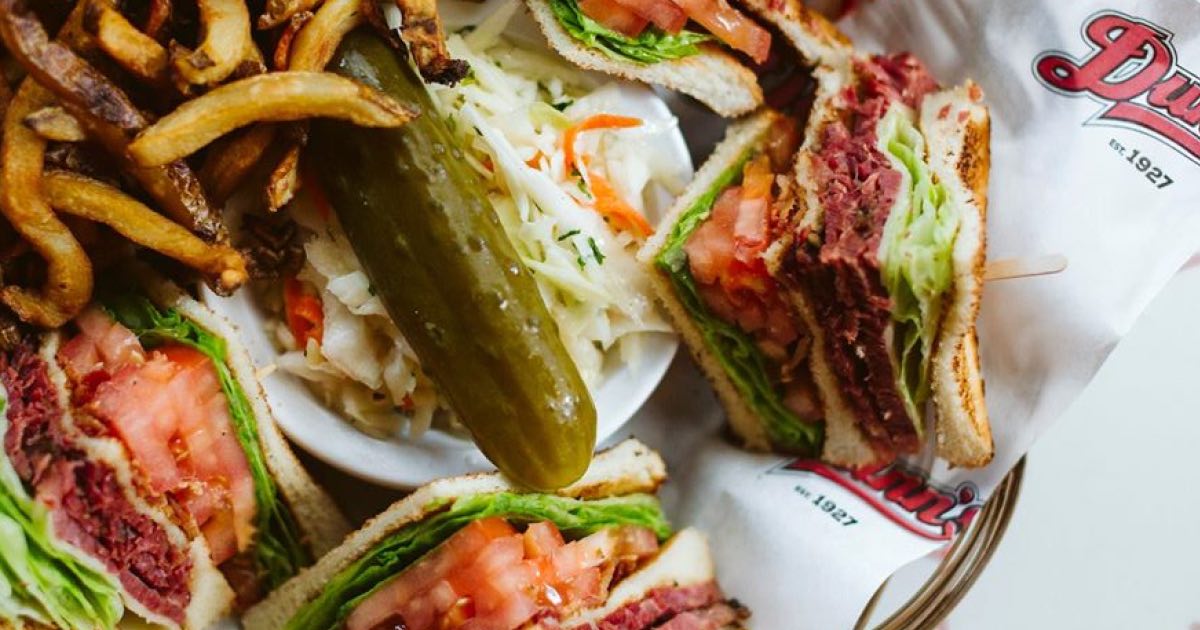
The presence of a dill pickle alongside a smoked meat sandwich is not decorative; it is functional. The acidity of the pickle cuts through the richness and fat of the smoked meat, resets the palate between bites, and makes the next bite of the sandwich taste as satisfying as the first. This is why dill pickles in Montreal have always had a place on the deli plate alongside smoked meat and rye bread. The combination is not accidental; it reflects centuries of culinary tradition where pickled vegetables and cured meats were understood to belong together.
Conclusion
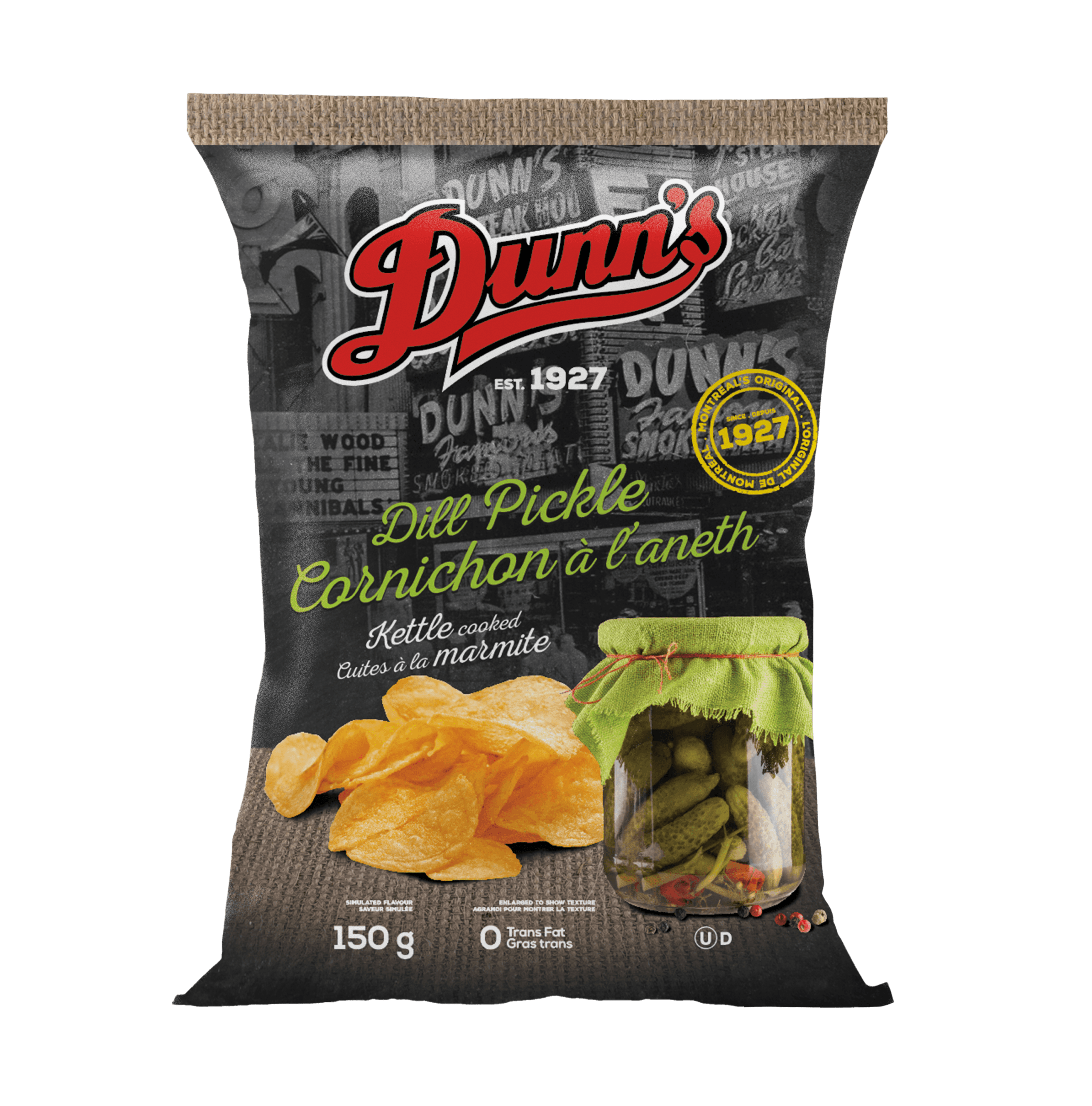
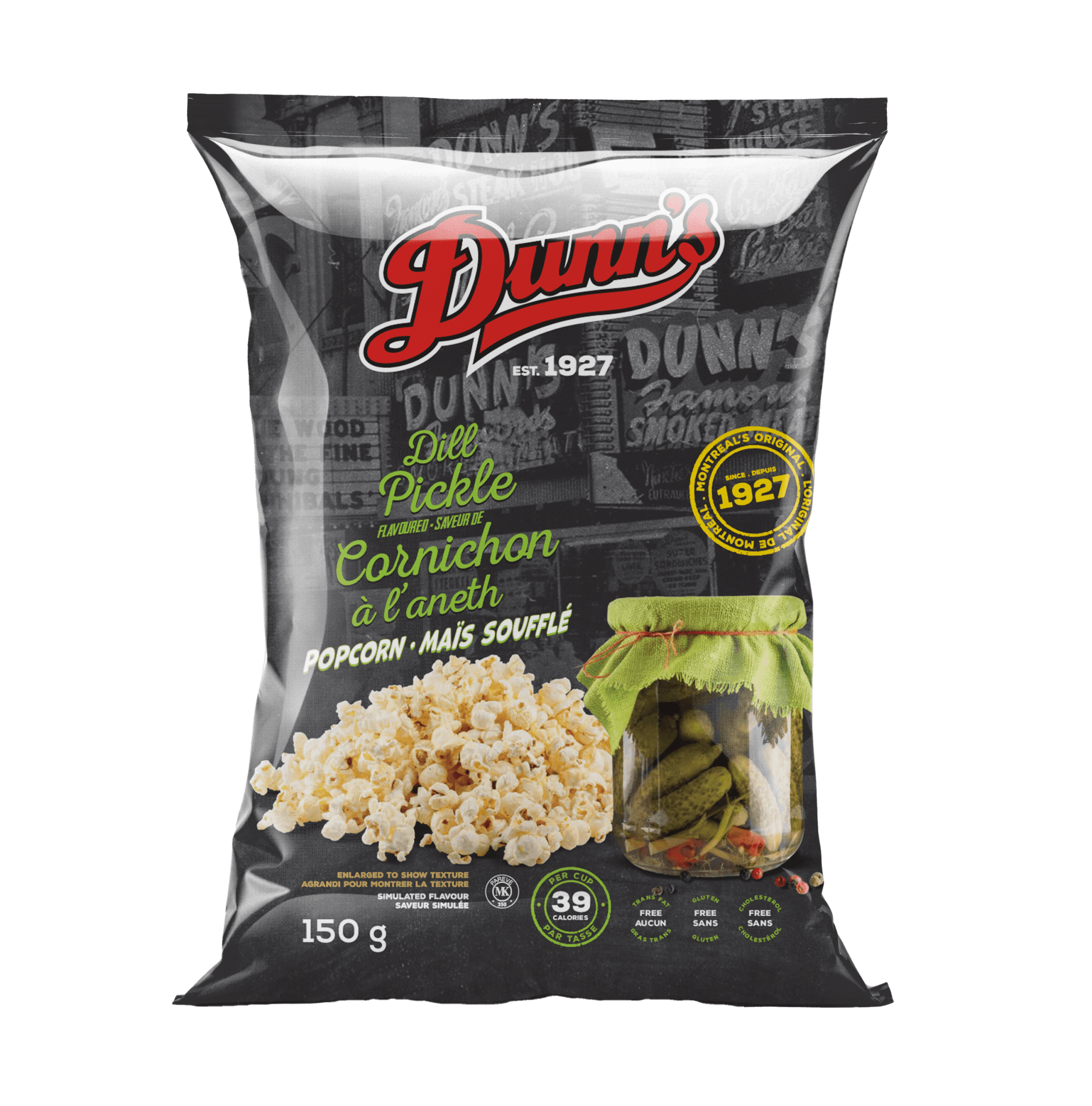
Dill pickle is one of those flavors that has been around long enough to feel familiar to almost everyone but is rarely understood at the level it deserves. Whether you make your own at home using one of the recipes above or reach for a jar of Dunn's Famous Dill Pickles, the flavor is worth appreciating beyond just the first bite. It has history, it has craft, and it has earned its place as one of the most beloved tastes in Canadian food culture for very good reasons.
Find the full Dunn's Famous dill pickle product range at major retailers across Canada.
Frequently Asked Questions
Q1. What is the difference between dill pickles and regular pickles?
Dill pickles are specifically flavored with dill herb and garlic, giving them a distinctive fresh and tangy flavor profile. Regular pickles are a broad term that can refer to any pickled cucumber, including bread and butter pickles, which are sweet, or Polish pickles, which are more garlicky. Dill pickles are the most common variety in North American deli culture and the most recognized pickle flavor in Canada.
Q2. How long do homemade dill pickles last?
Quick refrigerator dill pickles made with vinegar last up to six weeks in the refrigerator. Fermented dill pickles last several months in the refrigerator once the fermentation process is complete and they have been sealed and chilled. Both types should always be kept refrigerated after opening.
Q3. Do I need special equipment to make dill pickles at home?
No special equipment is required for either method. A clean glass jar, basic kitchen ingredients, and patience are all you need for both the quick refrigerator method and the fermented method. A small weight to keep the cucumbers submerged is helpful for fermented pickles, but a small zip lock bag filled with brine works just as well.
Q4. What makes Dunn's Famous dill pickle products different?
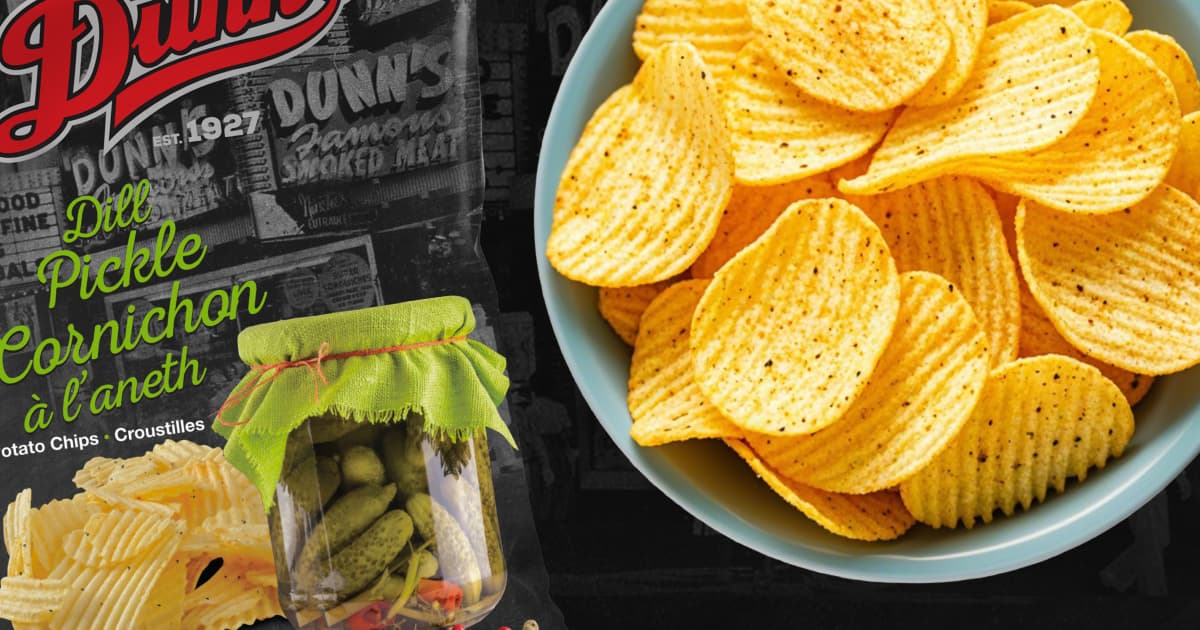
Dunn's Famous dill pickle products are built on the same bold, creamy dill flavor profile that has made dill pickle the most beloved snack flavor in Canada. The chips in particular are known for their quality crunch and a dill flavor that is distinctive and consistent, bold enough to be genuinely satisfying without being overpowering.
You May Also Like
 Product Spotlights
What Are Kettle Chips and Why Do They Taste Different From Regular Chips
 Product Spotlights
Why Black Cherry is the Most Nostalgic Drink Flavor in Canadian Deli Culture
 Product Spotlights
The Best Snacks to Pack for a Road Trip Across Canada
 Product Spotlights