What Are Kettle Chips and Why Do They Taste Different From Regular Chips
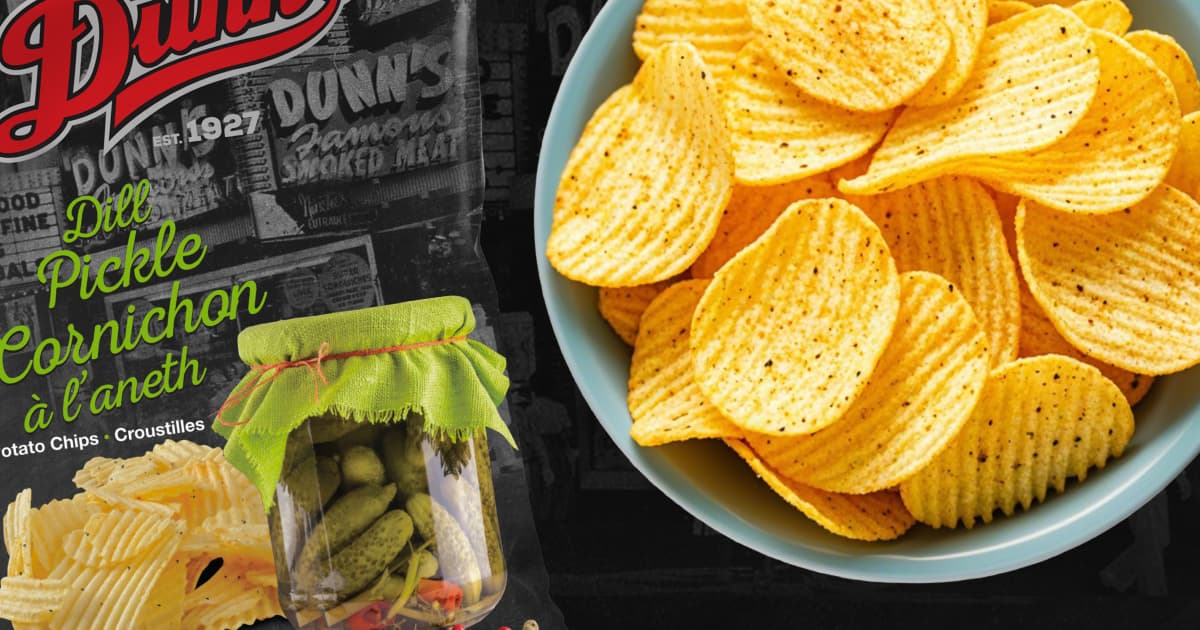

There is a specific moment that every kettle chip lover has experienced. You reach into the bag, pull out a chip, take a bite, and the crunch is noticeably harder, louder, and more satisfying than anything a standard chip delivers. The flavor hits differently too, more potato, more depth, more of whatever seasoning is on the chip. It is not subtle, and it is not a coincidence. Kettle chips taste different from regular chips because they are made differently in a way that affects everything from the texture to the flavor intensity to how well the seasoning adheres to every single chip in the bag.
Understanding why that difference exists makes the choice between kettle and regular feel a lot more deliberate than it used to.
How Regular Chips Are Made
Standard potato chips are produced on a continuous conveyor belt system. Sliced potatoes move through a long fryer at a consistent, carefully controlled temperature without stopping. The process is designed for efficiency and consistency; the chips cook evenly and quickly, emerging from the fryer with a uniform texture that is light, thin, and reliably crunchy in a way that feels almost engineered. The controlled temperature means there is very little variation in how each chip cooks, which produces a snack that is consistent from the first chip in the bag to the last but lacks the character that comes from a less controlled process.
The speed of the continuous process also means less time in the oil overall, which results in a chip that retains more moisture than a kettle chip and develops less of the deep potato flavor that comes from a longer cook. The surface of a standard chip tends to be smooth and uniform, which affects how well seasoning sticks and how boldly the flavors come through in every bite.
How Kettle Chips Are Made
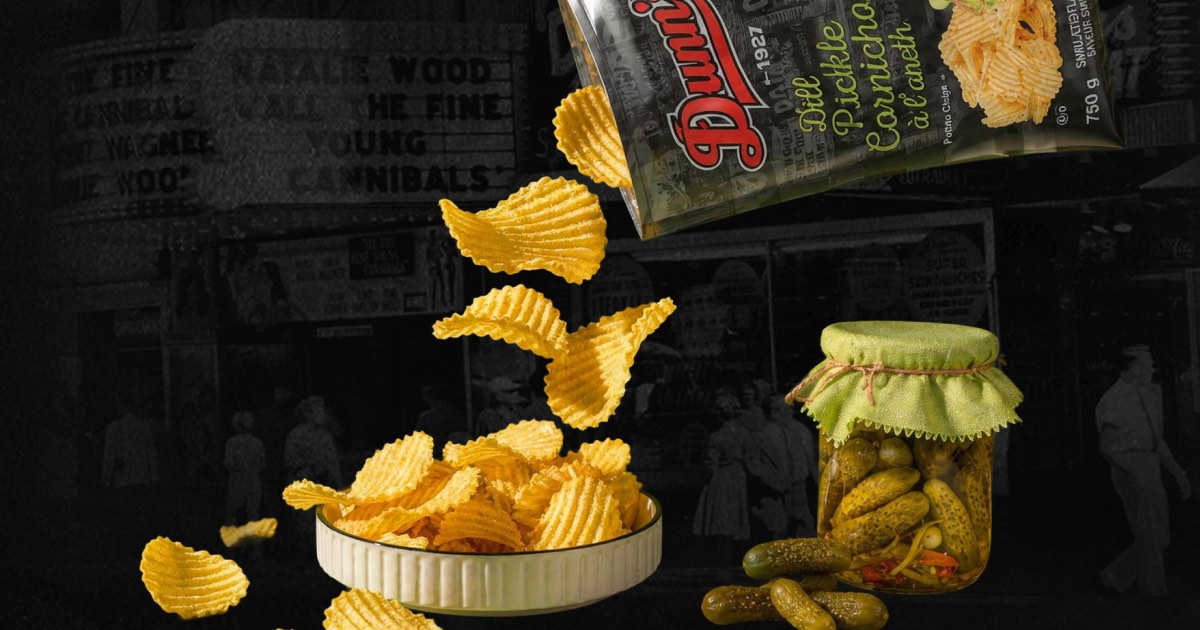
Kettle chips are made using a batch cooking process that produces a completely different result from the continuous belt method. Sliced potatoes are dropped into hot oil in batches rather than moving through a fryer continuously. When the cold potato slices hit the hot oil, the temperature of the oil drops significantly. The chips then begin cooking at this lower temperature before the oil gradually heats back up to its original temperature as the batch continues cooking.
That temperature fluctuation is the key to everything that makes kettle chips distinctive. The varying heat causes the starches in the potato to cook unevenly across the surface of each chip, some areas cooking faster, some slower, which produces the characteristic irregular texture, thicker profile, and harder crunch that anyone who eats kettle chips regularly recognizes immediately.
The longer cooking time also draws more moisture out of the potato than the continuous process does, which concentrates the natural potato flavor and contributes to the deeper golden color that most kettle chips develop. The result is a chip that has more going on in every bite than a standard chip can offer.
Why Kettle Chips Taste Different: The Specific Reasons
More intense potato flavor: The longer cooking time and the temperature fluctuation draw more moisture out of the potato and concentrate the natural flavor in a way that the fast, continuous process simply cannot replicate. A kettle chip tastes more like a potato. A regular chip tastes more like a snack. That distinction sounds simple, but it is immediately noticeable once you have tried both back to back.
Harder crunch: The uneven cooking process produces a denser chip with more structural integrity than a standard chip. The crunch is more satisfying and more audible, the kind that makes eating kettle chips a more physical and more deliberate experience. It is the crunch that makes a bag of kettle chips feel like it was worth opening.
More complex flavor development: The longer time in hot oil creates more Maillard reaction, the chemical process responsible for browning and the development of complex flavor compounds. The result is a chip with more depth, more roasted notes, and a flavor that lingers longer after each bite than a standard chip delivers.
Better seasoning adhesion: The rougher, more irregular surface of a kettle chip holds seasoning more effectively than the smooth surface of a standard chip. Bold flavors like dill pickle, ranch, and BBQ come through more completely and more consistently in every bite rather than sitting unevenly on a surface that cannot hold them as well.
Why Kettle Chips Are Growing in Popularity Across Canada
The kettle chip category has been growing consistently across Canada for several years, and the trend reflects a genuine shift in how Canadians think about snacking. The premiumization of everyday snacks has pushed consumers toward products that deliver a noticeably better experience rather than just a familiar one. Kettle chips are perceived as a more natural and less processed option, with simpler ingredient lists and a cooking method that feels closer to something you could do at home than the industrial continuous process behind a standard chip.
Younger Canadian consumers in particular are driving this shift, gravitating toward snacks with more textural interest, more pronounced flavor, and more of a story behind them. In urban markets like Montreal where food culture is taken seriously, and quality is expected across every category, the best kettle chips in Montreal are increasingly the ones people reach for when they want a snack that actually delivers on what the bag promises.
Dunn's Famous Kettle Chips
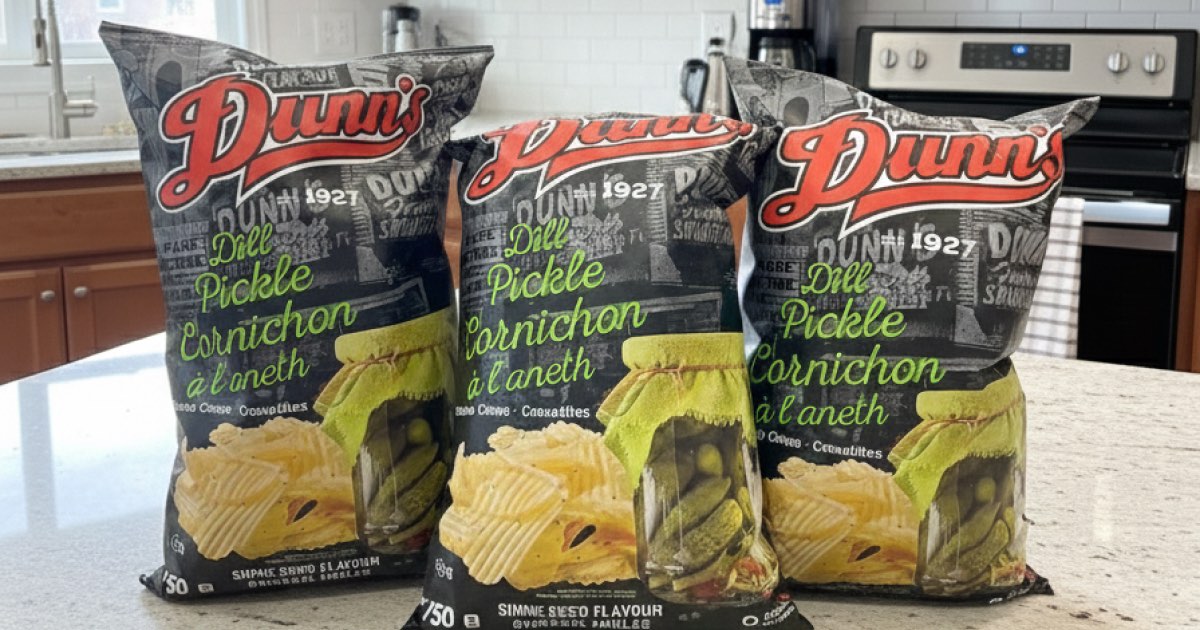
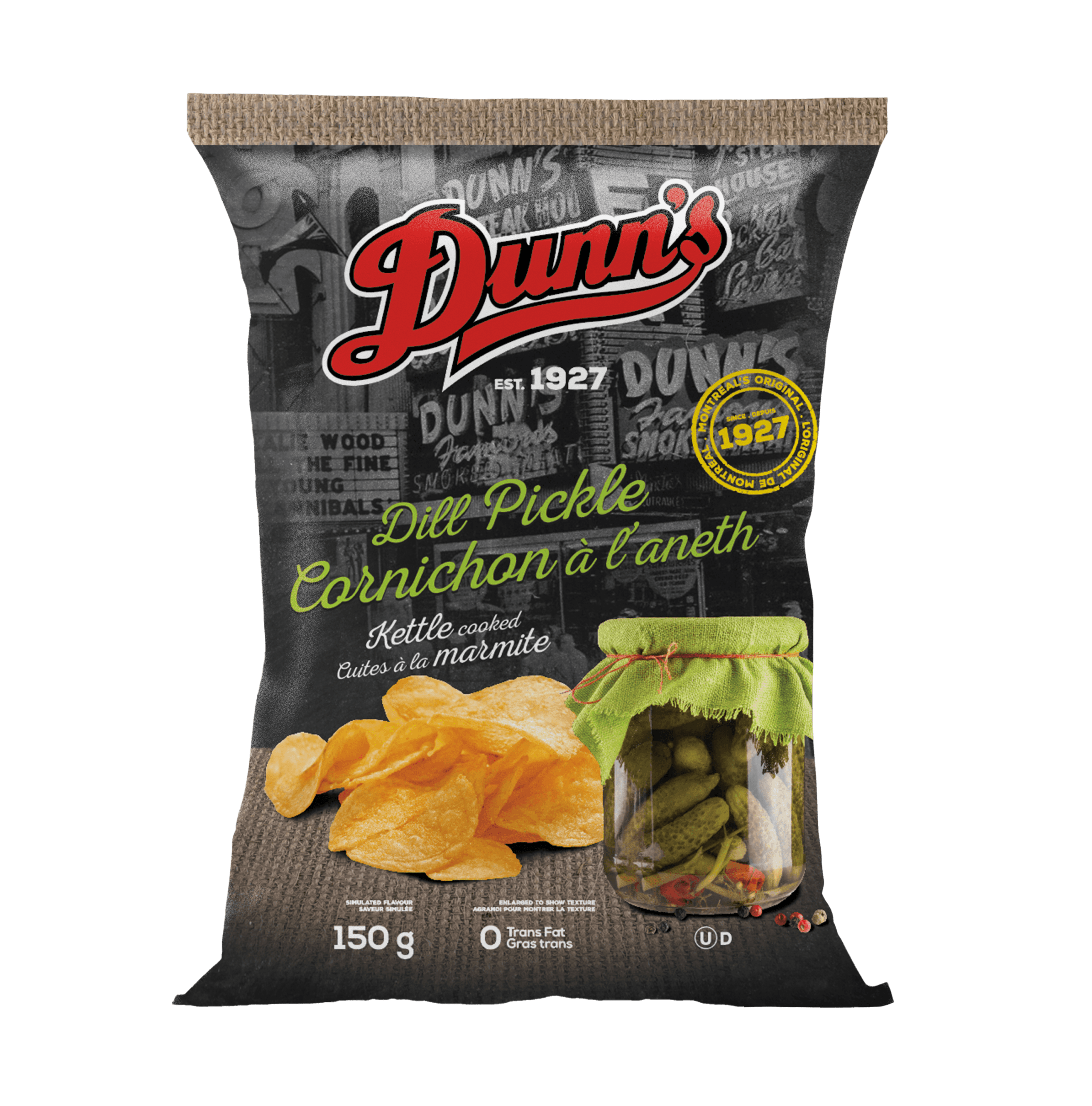
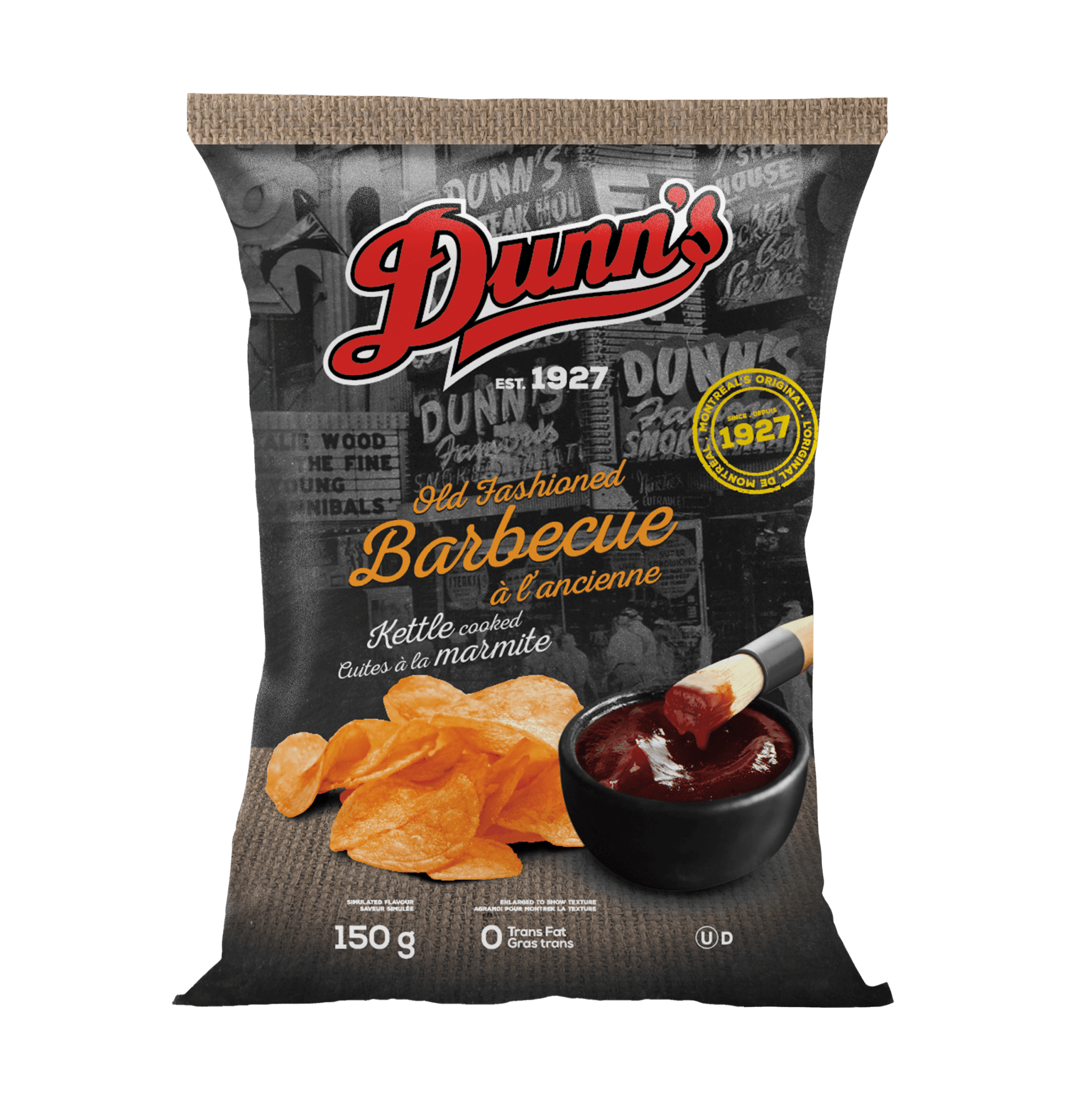
Dunn's Famous produces kettle chips in Dill Pickle, Ranch, and BBQ flavors, and the kettle cooking process is exactly the right method for the bold flavor profiles that Dunn's is known for. The rougher surface of a kettle chip holds the creamy dill seasoning more effectively than a standard chip, which is part of why the Dill Pickle Kettle Chips deliver such a consistent and satisfying flavor in every bite. The harder crunch and more intense base potato flavor complement rather than compete with the seasoning, giving each flavor the foundation it needs to come through properly.
If you have been eating standard chips and have not yet made the switch to kettle, this is the starting point worth trying.
The Difference Is Real and It Is Worth Experiencing
The next time you are standing in the snack aisle, the choice between kettle chips and regular chips will feel more informed than it did before. The harder crunch, the deeper flavor, and the better seasoning adhesion are not marketing claims; they are the direct result of a cooking process that takes longer, requires more attention, and produces a genuinely better chip.
Dunn's Famous Kettle Chips and other products are available at major retailers across Canada, including Costco and Marshalls. The Dill Pickle Kettle Chips are available for direct pickup at all five Dunn's Famous locations across Greater Montreal or by requesting an order through the Dunn's Famous website.
Frequently Asked Questions
Q1. What is the difference between kettle chips and regular chips?
Kettle chips are made using a batch cooking process where potatoes are dropped into hot oil in batches, causing the oil temperature to fluctuate and the chips to cook unevenly. This produces a harder crunch, more intense potato flavor, and better seasoning adhesion than standard chips, which are made on a continuous conveyor belt at a consistent controlled temperature. The result is a noticeably different and more complex snacking experience.
Q2. Are kettle chips healthier than regular chips?
Kettle chips are generally perceived as a more natural snack because of the simpler cooking method and more recognizable ingredient lists that most kettle chip brands use. The calorie and fat content is similar to standard chips, but the batch cooking process does not require the same additives or processing aids that some continuous belt chip production uses. For anyone looking for a chip with fewer ingredients and a more straightforward production process, kettle chips are the better choice.
Q3. Why are kettle chips more expensive than regular chips?
Kettle chips cost more to produce because the batch cooking process is slower and more labor-intensive than the continuous conveyor belt method used for standard chips. Each batch requires more attention, more time in the fryer, and a more hands-on production approach. That additional cost is reflected in the retail price, but most kettle chip fans consider the difference in flavor and texture to be worth it.
You May Also Like
 Product Spotlights
What Is a Dill Pickle and How to Make One at Home
 Product Spotlights
Why Black Cherry is the Most Nostalgic Drink Flavor in Canadian Deli Culture
 Product Spotlights
The Best Snacks to Pack for a Road Trip Across Canada
 Product Spotlights