Kettle Cooked Chips: The Secret Behind the Perfect Crunch
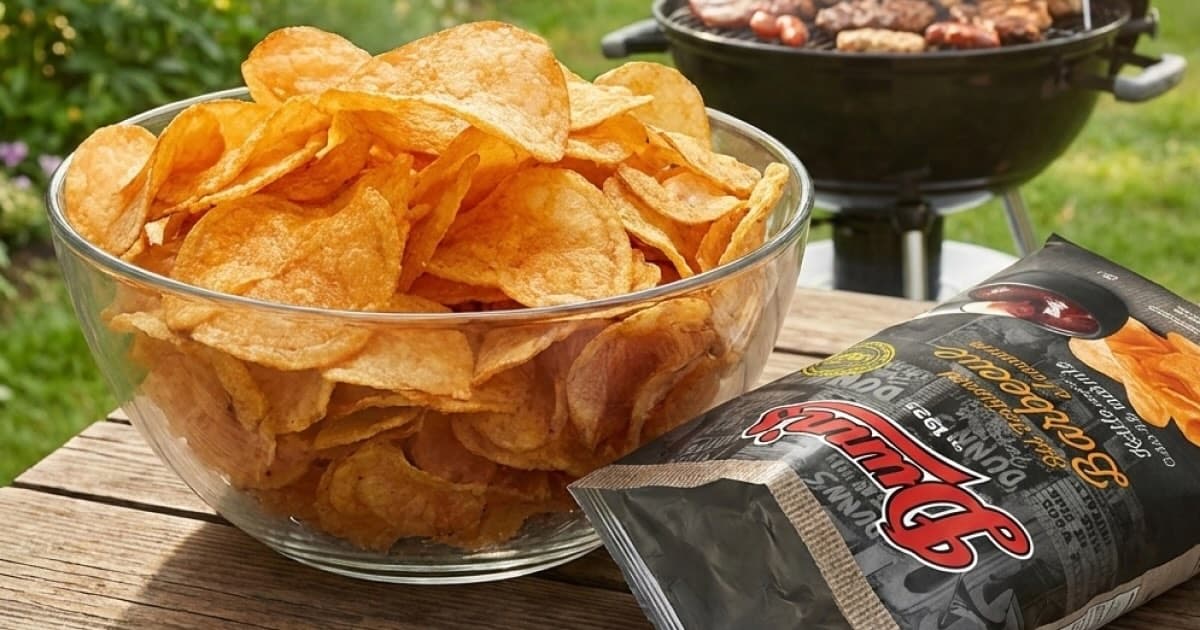

Kettle-cooked chips are potato chips fried in small batches in large kettles of oil, instead of being run through a continuous, high-speed conveyor fryer like regular chips. That slower batch method, with thicker slices and a longer cook, is what gives kettle chips their harder crunch, curled and blistered shape, and deeper potato flavor.
Below, we explain how kettle chips are made, what creates that loud crunch, why they taste different, and what earns them their premium spot in the snack aisle.
How Are Kettle Chips Made?
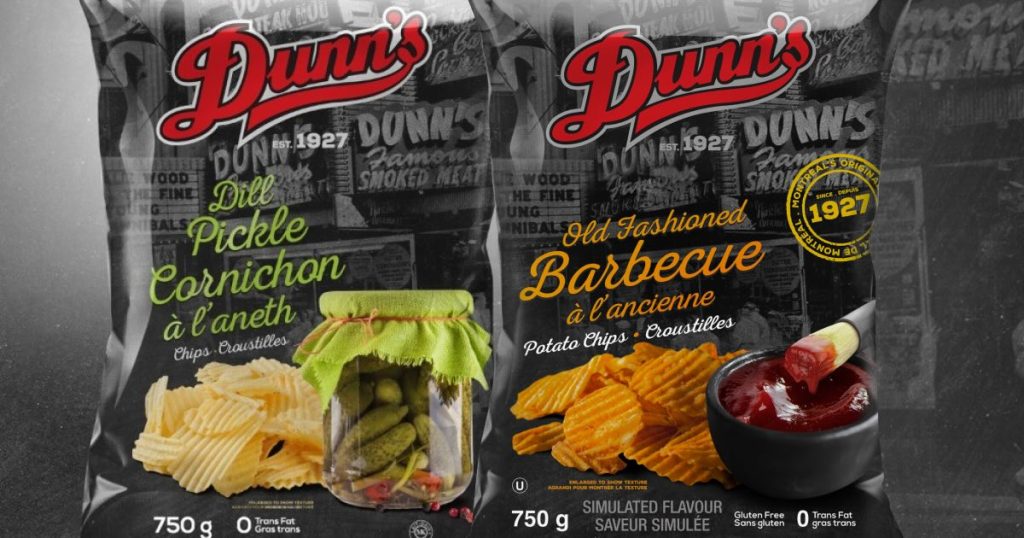
Kettle chips are made using a small-batch frying method, while regular chips are made on a continuous line where slices travel on a conveyor through a constant, high-temperature oil bath for about two minutes. Three things set the kettle process apart:
Batch frying: Raw potato slices are dropped into the kettle all at once. This causes the oil temperature to drop sharply and then slowly recover, so the chips cook at a lower, fluctuating temperature for longer, often four to eight minutes.
Thicker slices: The potatoes are cut thicker than regular mass-produced chips so they can hold up to the extended cooking time without burning.
Stirring and agitation: Each batch is stirred or raked while it fries to keep the slices from sticking together. The constant movement, combined with the uneven temperature, is what creates the signature curls and blisters.
This "low and slow" process is the secret behind the texture and flavor that follow.
What Makes the Kettle Chip Crunch So Loud?
The irregular cooking environment is the direct creator of the famous kettle chips crunch. To survive the extended fry time, kettle chips must be cut substantially thicker than standard chips.
During the slower, fluctuating cook, moisture evaporates unevenly, which creates a denser and harder potato structure. This process results in the chips being irregularly shaped, often featuring distinct, visible curls and blisters, hallmarks of the batch process. This increased density and non-uniformity are what translate into a louder, more resistant, and highly satisfying “violent crunch” that contrasts sharply with the brittle snap of its counterparts. This texture is the primary driver of consumer loyalty.
Do Kettle Chips Taste Better?
The extended time in the hot oil profoundly affects the finished flavor profile in two distinct ways:
First, the longer exposure to heat encourages the Maillard reaction (the browning process that creates complex flavors) to occur more thoroughly. This gives kettle-cooked chips a nuttier, deeper, and more pronounced “potato” flavor compared to the mild, neutral base of rapid-fry chips.
Second, the rough, blistered surface of the kettle chip makes it a superior seasoning carrier. The increased number of nooks, crevices, and irregularities on the chip’s surface allows it to hold a higher concentration of intense powdered seasoning (like dill pickle or ranch). This structural advantage ensures that every bite delivers a maximum, intense flavor hit, which is why consumers constantly look for the best kettle chips Canada has to offer.
Why Are Kettle Chips Considered Premium?
Kettle chips occupy a premium space in the snack aisle due to both perceived and actual factors:
Rustic Appeal: The return to the small-batch, traditional, kettle method allows brands to market the product as rustic and authentic. This appeals to modern consumers who are often seeking foods perceived as less industrialized.
Premium Cost: The slower, less automated manufacturing process yields a lower volume output, increasing production costs. This, combined with the perceived superior quality delivered by the intense crunch and flavor, allows the chips to command a higher price point.
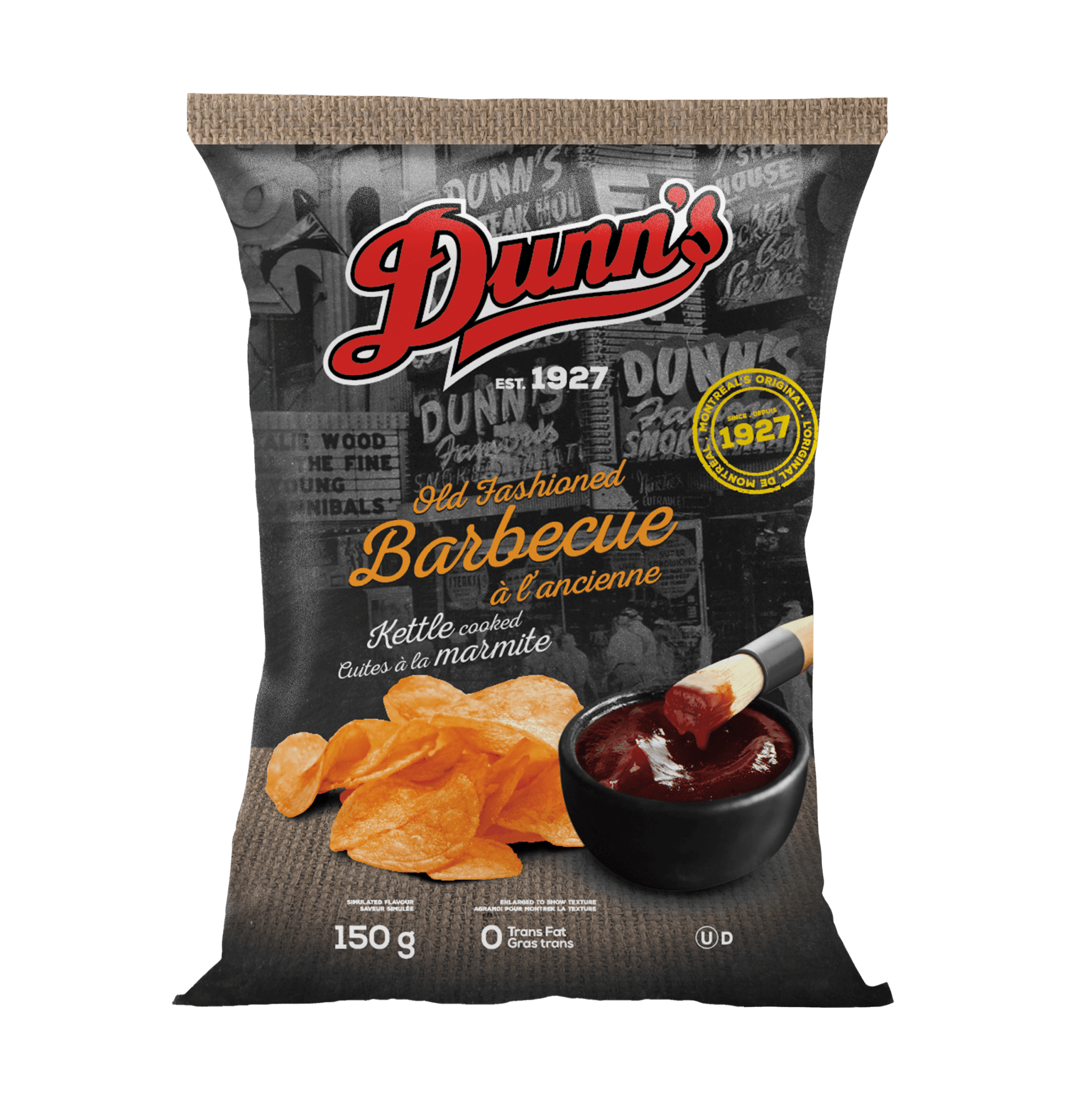
Quality Ingredients: The robust, potato-forward flavor of the kettle chip performs beautifully with simple, high-quality seasonings like dill pickle and BBQ, reinforcing the overall message of quality ingredients and minimal processing.
Must-Try Kettle Chip Flavor: The Legendary Dill Pickle Chip
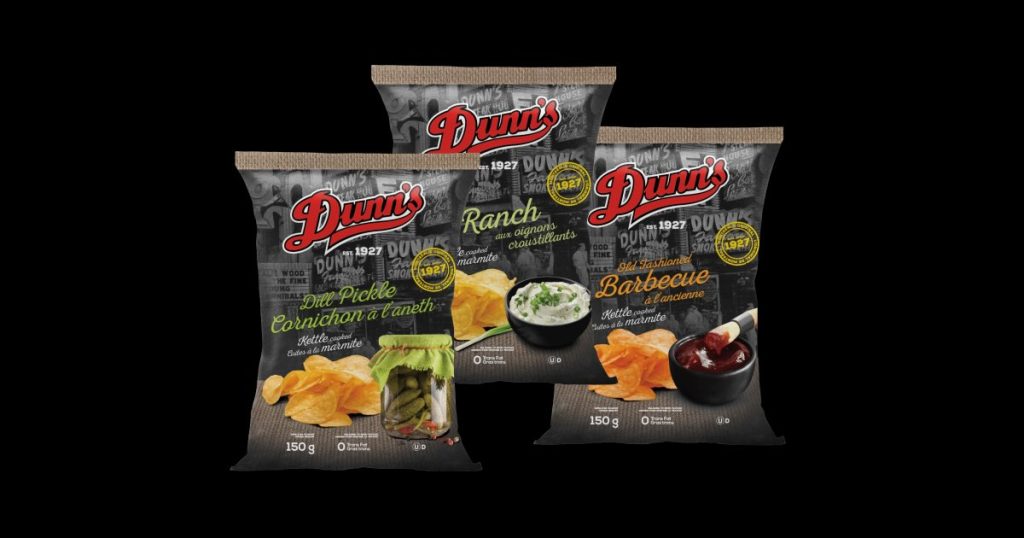
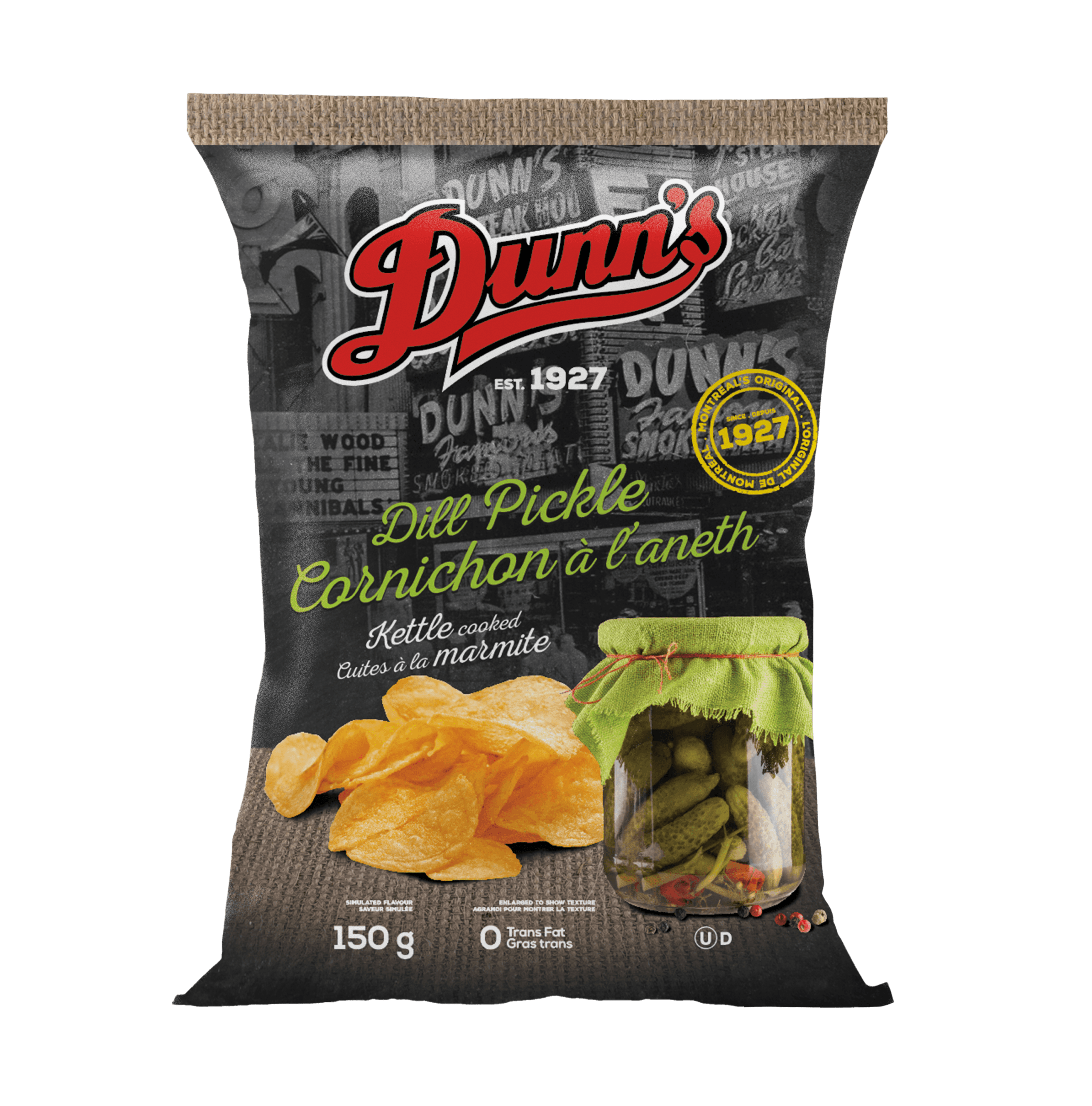
When discussing bold flavors designed for the superior surface area of a kettle-cooked chip, one flavor consistently stands out as a Canadian favorite: Dill Pickle. This flavor demands a chip with intense structural integrity to handle the extreme combination of tangy vinegar, savory garlic and dill, and subtle sweetness.
For those searching for the best kettle chips Canada offers, the Dill Pickle chip from Dunn’s Famous is a required snack. The combination of the rigid kettle chips’ crunch and the high-powered pickle seasoning creates a snack experience that is both aggressively sour and satisfyingly savory, a perfect demonstration of how premium kettle chip texture can elevate an already popular flavor.
Conclusion
The success of kettle-cooked chips is a clear victory for traditional methods and sensory satisfaction. Rooted in a batch-frying process, the kettle chip delivers three pillars of excellence: the traditional method, a superior, intense kettle chip crunch, and a deep, complex flavor profile ideal for bold seasonings. For any consumer prioritizing texture and intense flavor, the kettle chip has firmly established itself as the premium, preferred choice.
Find Dunn’s Famous Kettle Chips today, try the signature Dill Pickle, BBQ, and Ranch flavors. Available now at Costco, Marshalls, and HomeSense.
FAQs
Q1. What is the difference between kettle chips and regular chips?
Kettle chips are fried in small batches, while regular chips are fried continuously on a conveyor at a steady high temperature. The batch method uses thicker slices and a longer, lower-temperature cook, which makes kettle chips crunchier, more irregular in shape, and more flavorful.
Q2. Are kettle-cooked chips healthier?
Kettle-cooked chips are not necessarily healthier than regular chips. Both are fried in oil, and the longer cook time means kettle chips can absorb a similar or even greater amount of oil. Check the nutrition label to compare specific brands.
Q3. Are kettle-cooked chips fried or baked?
Kettle-cooked chips are fried, not baked. The name comes from the kettles of oil they're cooked in, where each batch fries for several minutes at a lower, fluctuating temperature.
Q4. What is so special about kettle-cooked chips?
Kettle-cooked chips stand out for their loud, dense crunch and deeper potato flavor. Their thicker slices and longer cook remove moisture unevenly, creating a harder texture, while their blistered surface holds more seasoning, so bold flavors like dill pickle hit harder.
Q5. Why are kettle chips considered a premium product?
The small-batch process is slower and less automated than continuous frying, which raises production costs. That, combined with their stronger crunch and flavor, is why kettle chips sell at a higher price point.
You May Also Like
 Product Spotlights
What Are Kettle Chips and Why Do They Taste Different From Regular Chips
 Product Spotlights
What Is a Dill Pickle and How to Make One at Home
 Product Spotlights
Why Black Cherry is the Most Nostalgic Drink Flavor in Canadian Deli Culture
 Product Spotlights