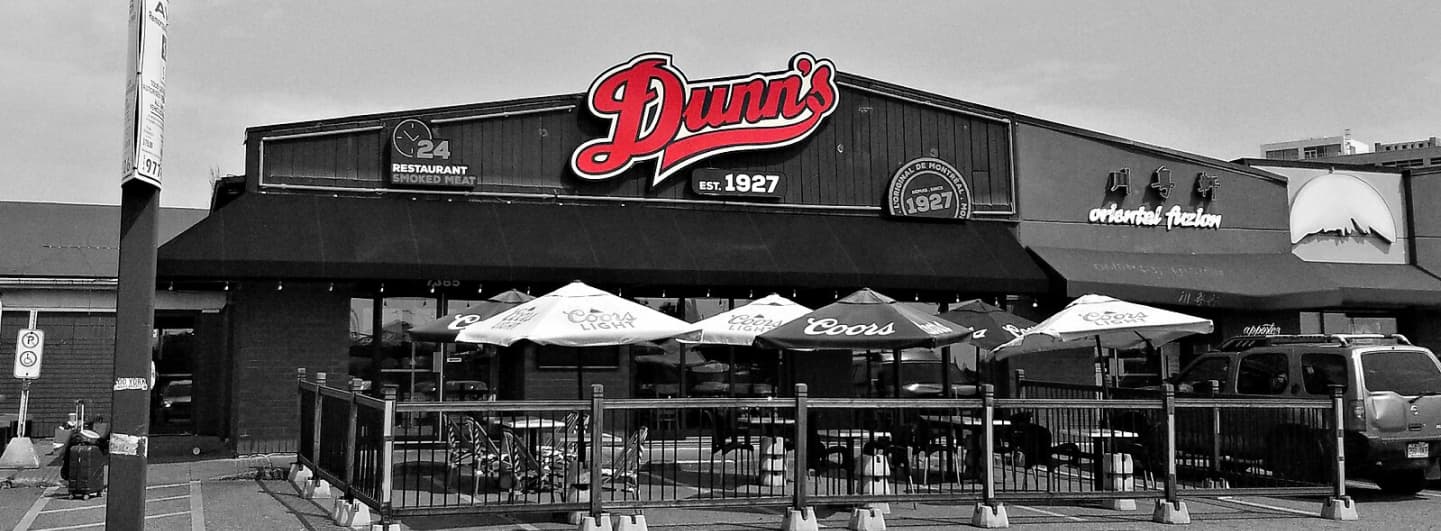
Fumoir à décalage vs. Fumoir électrique : Lequel est fait pour la viande fumée ?
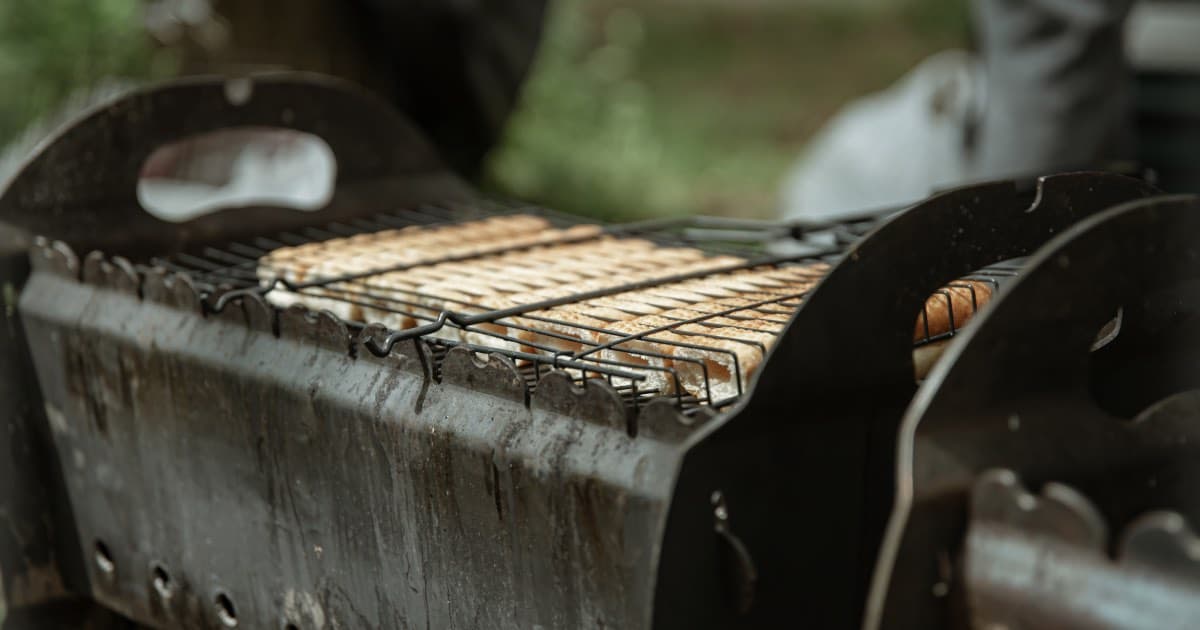

Pour tout passionné de cuisine, la quête du brisket parfait est un rite de passage. Dans une ville comme Montréal, où la culture des deli fait partie intégrante de l'identité, les normes pour la viande fumée sont exceptionnellement élevées. Lorsque vous décidez de passer de client à maître du barbecue dans votre jardin, le premier grand obstacle est de choisir votre équipement.
Le débat entre le fumoir à décalage et le fumoir électrique est au cœur de la communauté de la viande fumée, chaque machine offrant une approche fondamentalement différente de la philosophie du « bas et lent ».
Choisir le meilleur fumoir pour la viande fumée dépend entièrement de votre style de vie, de votre patience et du profil de saveur spécifique que vous souhaitez atteindre.
Le Fumoir à Décalage : Le Fumoir Traditionnel en Bois
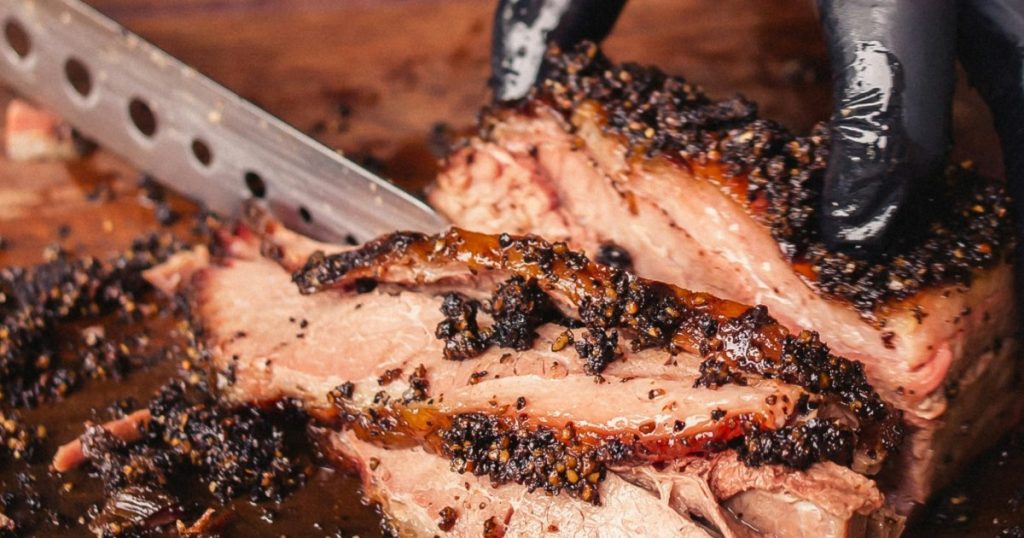
Le fumoir à décalage, souvent appelé « stick burner », est la référence en matière de purisme. Son design se compose d'une grande chambre de cuisson et d'une petite boîte à feu attachée sur le côté. La chaleur et la fumée circulent de la boîte à feu, à travers la viande, et sortent par une cheminée.
La Saveur et la Croûte
Lorsqu'on compare un fumoir électrique à un fumoir en bois, le fumoir en bois l'emporte toujours en complexité de saveur. Parce qu'un fumoir à décalage repose sur la combustion de véritables bûches de bois dur, il produit une fumée bleue claire et fine. Ce processus crée un anneau de fumée profond et une croûte épaisse et croustillante qui est presque impossible à reproduire avec une autre méthode.
La Courbe d'Apprentissage
Ce n'est pas une machine à régler et à oublier. Faire fonctionner un fumoir à décalage nécessite une attention constante. Vous devez gérer le lit de charbon, ajouter des bûches toutes les quarante-cinq minutes et ajuster les évents d'entrée pour maintenir une température stable. C'est un travail d'amour qui récompense ceux qui apprécient l'art de la gestion du feu.
Le Fumoir Électrique : Commodité et Cohérence
Pour ceux qui privilégient la facilité d'utilisation et la fiabilité, le fumoir électrique est une merveille moderne. Ces unités utilisent un élément chauffant électrique pour chauffer l'air et faire fumer de petites copeaux de bois.
L'Avantage de Régler et Oublier
La principale raison pour laquelle les gens choisissent une unité électrique est la commodité. Il suffit de brancher l'appareil, de régler une température numérique et de s'éloigner. Il est hautement isolé et maintient une température précise, peu importe le vent ou le froid extérieur, ce qui en fait un excellent choix pour une cuisson de seize heures qui se déroule pendant votre sommeil.
Les Compromis en Texture
Bien que pratique, les fumoirs électriques ont un débit d'air plus faible. Cela crée un environnement plus humide, ce qui est excellent pour garder la viande moite, mais rend difficile l'obtention d'une croûte ferme et croustillante. De plus, comme il n'y a pas de flamme réelle, vous ne verrez que rarement un anneau de fumée rose traditionnel sur la viande, bien que la saveur reste agréablement fumée et délicate.
Le Secret de Montréal : Comment les Pros le Font
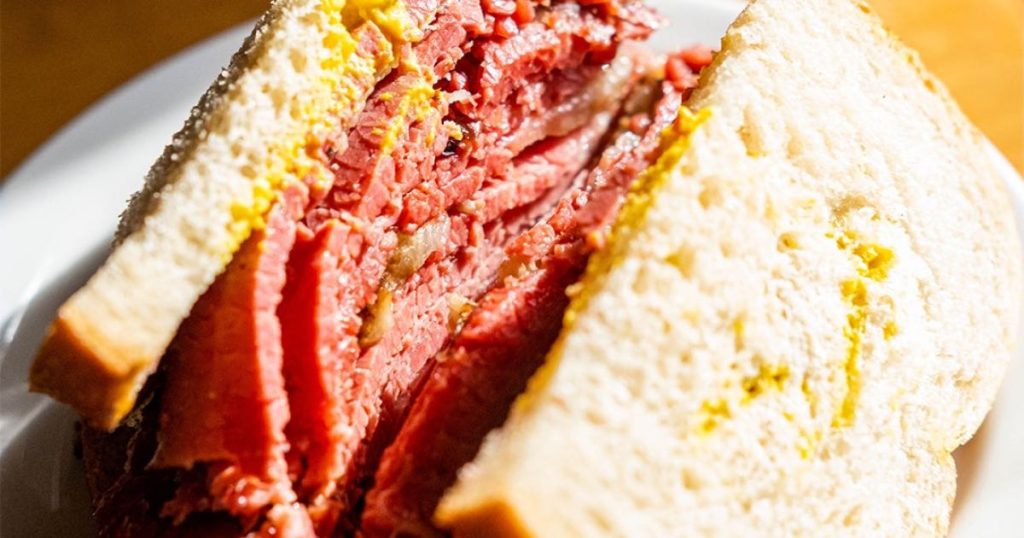
Si vous cherchez la meilleure viande fumée à Montréal, vous cherchez un processus qui va au-delà d'un simple fumoir. Dunn’s Famous ne se contente pas de mettre de la viande dans une boîte et d'attendre. Nous suivons un rituel en trois étapes vieux d'un siècle qui garantit que la viande est à la fois savoureuse et incroyablement tendre.
1. La Cure de 10 Jours
Avant d'appliquer la fumée, le brisket est frotté avec un mélange généreux de poivres, de coriandre et d'ail. Il repose dans une cure sèche pendant plus d'une semaine. C'est ce qui donne à la viande fumée de Montréal son profil épicé caractéristique et sa teinte rougeâtre.
2. La Phase de Fumage
Les delis traditionnels utilisent de grandes chambres de fumage commerciales qui fonctionnent de manière similaire à un énorme fumoir à décalage. Ils utilisent du vrai bois dur, comme l'érable ou le hickory, pour fixer la croûte d'épices et infuser la viande d'un arôme boisé profond pendant plusieurs heures.
3. La Phase de Vapeur
C'est l'étape magique. Après que la viande a été fumée, elle est déplacée dans une armoire à vapeur. La vapeur à haute humidité est ce qui finit par décomposer le collagène dur dans le brisket, le transformant en gélatine soyeuse. C'est pourquoi la viande dans un deli fond littéralement dans votre bouche, une texture très difficile à obtenir dans un fumoir de jardin sans un système de vapeur dédié.
Lequel est Fait pour Vous ?
Choisir entre ces deux options dépend de vos priorités. Le fumoir à décalage offre une saveur audacieuse, traditionnelle et complexe avec un anneau de fumée prononcé et une croûte épaisse, mais il est difficile à maîtriser et nécessite une attention constante. C'est le choix des puristes pour le produit final de la plus haute qualité.
D'un autre côté, le fumoir électrique est incroyablement facile à utiliser avec des commandes numériques et produit des saveurs délicates et cohérentes. Bien que la croûte soit plus douce et que l'anneau de fumée soit généralement inexistant, il offre un niveau de commodité qui en fait le gagnant pratique pour les débutants ou ceux ayant un espace limité.
Conclusion
En fin de compte, l'équipement n'est qu'un outil. Que vous utilisiez un fumoir électrique ou un fumoir en bois, la qualité de votre viande dépend de votre patience et de votre préparation. Pour voir comment ces techniques culminent dans le repas parfait, une visite à un monument comme Dunn’s Famous est incontournable. Goûter la meilleure viande fumée à Montréal fournit un point de référence pour ce qui est possible lorsque vous maîtrisez l'art de la fumaison.
FAQs
1. Puis-je obtenir un anneau de fumée dans un fumoir électrique ?
En général, non. Un anneau de fumée est une réaction chimique entre le dioxyde d'azote et la viande. Les fumoirs électriques ne produisent pas suffisamment de ce gaz pendant la combustion pour créer l'anneau, bien que la saveur soit toujours présente.
2. Quel bois est le meilleur pour la viande fumée de style Montréal ?
Au Québec, l'érable est un favori traditionnel en raison de sa fumée légèrement sucrée et douce. Le hickory et le chêne sont également d'excellents choix pour une saveur plus audacieuse.
3. Est-il possible de cuire de la viande à la vapeur à la maison ?
Oui. Une fois que votre viande a terminé son temps dans le fumoir, vous pouvez l'envelopper hermétiquement et la placer dans un four à basse température avec un plateau d'eau, ou utiliser une grande casserole avec un panier vapeur pour reproduire la texture du deli.
4. Pourquoi la cure est-elle si importante ?
La cure assaisonne la viande jusqu'au centre et modifie la structure des protéines, lui permettant de conserver son humidité pendant le long processus de fumage et de cuisson à la vapeur.
5. Combien de temps faut-il pour fumer un brisket entier ?
Selon la taille et la température, cela peut prendre entre douze et dix-huit heures. Il est toujours préférable de cuire selon la température interne plutôt qu'en fonction d'un minuteur.
You May Also Like
 Les secrets et astuces du chef
Pourquoi la viande fumée maison n'a jamais le même goût que celle du deli
 Les secrets et astuces du chef
Comment savoir si votre viande fumée est parfaitement cuite : Un guide de température
 De la tradition à votre table
Pourquoi Montréal a l'une des cultures de deli les plus uniques au monde
 De la tradition à votre table