How to Tell if Your Smoked Meat is Perfectly Cooked: A Temperature Guide
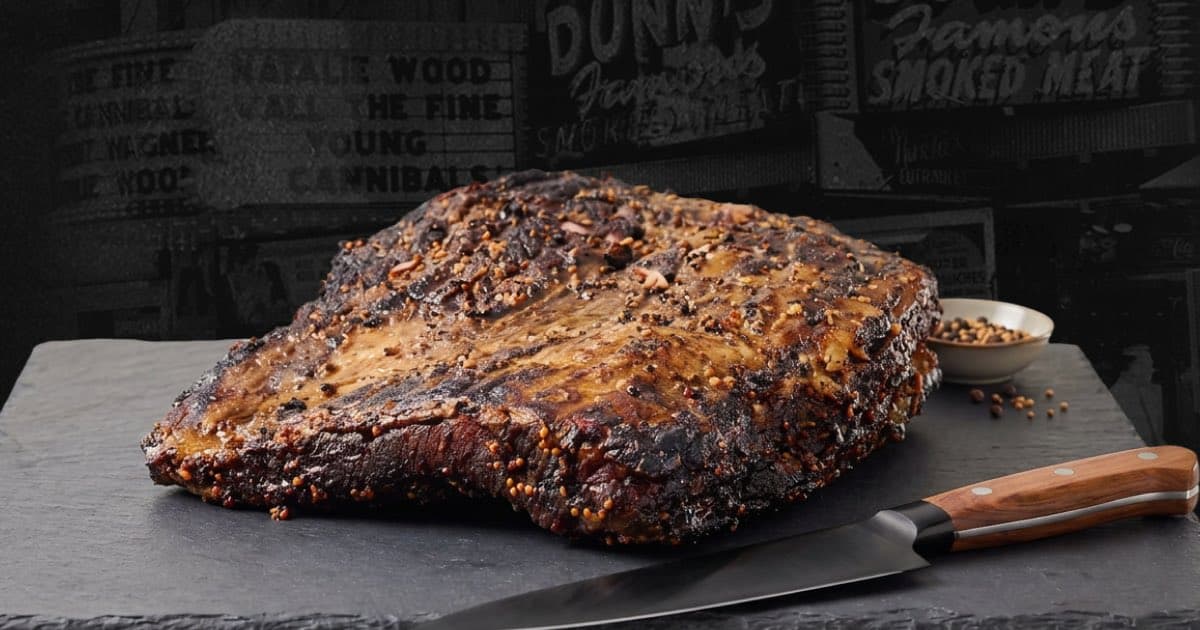

Most people who attempt Montreal smoked meat at home put in the time, follow the recipe carefully, and still end up with something that does not quite match what they get at a deli.
The meat is cooked; it is edible, but it is tighter than it should be, chewier than expected, and missing that specific yielding tenderness that makes a properly made smoked meat sandwich so satisfying. The reason is almost never the rub or the wood or the smoker. It is almost always temperature, specifically, not understanding the full temperature journey a brisket needs to complete before it is genuinely ready. This guide fills that gap.
Why Brisket is Different From Every Other Cut
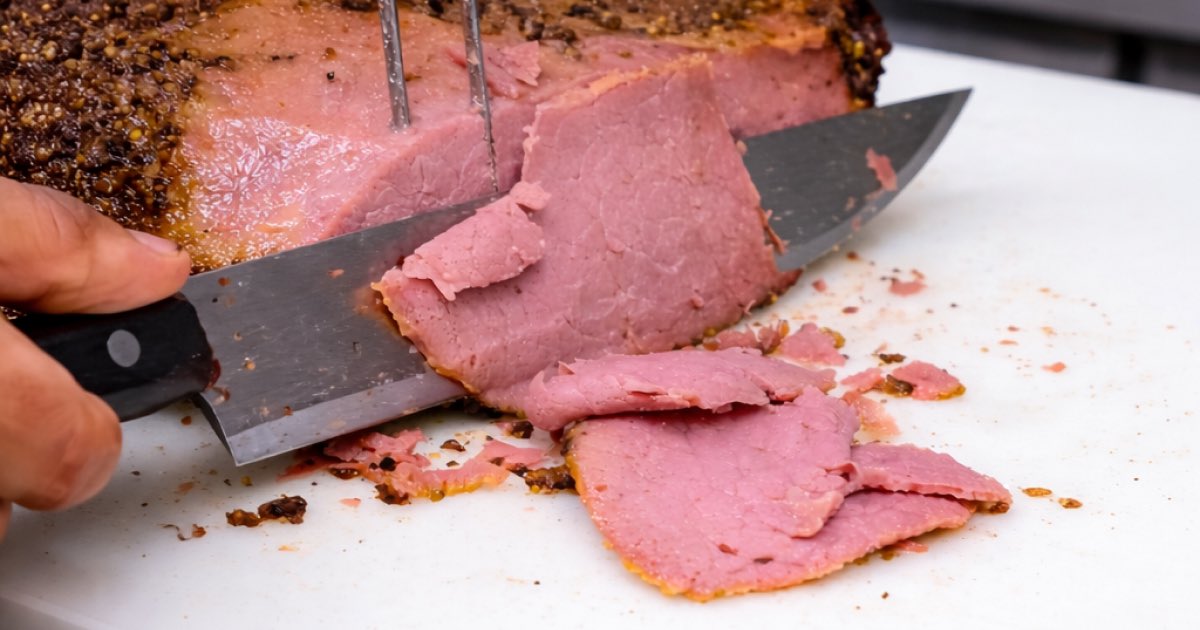
Before getting into smoked meat temperature specifics, it helps to understand why brisket behaves differently from other cuts. Brisket comes from the lower chest of the cow and is one of the most heavily worked muscles on the animal. It is dense with collagen and connective tissue that do not respond to heat the way a lean cut does. At normal cooking temperatures, brisket tightens and becomes tough. The only way to transform it into the tender, pull-apart meat that defines Montreal smoked meat is to cook it low and slow for long enough that the collagen breaks down completely and converts into gelatin.
That conversion does not happen quickly, and it does not happen at low internal temperatures. This is why the smoked meat cooking guide that actually works looks very different from what most home recipes suggest, and why pulling the meat too early is the single most common mistake home cooks make.
The Temperature Journey of a Perfect Smoked Meat
160°F to 165°F: The Stall
At this temperature range, something happens that confuses and frustrates almost every home cook the first time they encounter it. The internal temperature of the brisket stops rising and stays flat for hours. This is called the stall, and it is not a sign that something is wrong. It is a sign that the most important part of the cooking process is happening.
The stall occurs because moisture evaporating from the surface of the meat cools it at roughly the same rate the smoker is heating it. That evaporative cooling is also what drives the breakdown of collagen into gelatin inside the meat. Rushing through the stall by raising the smoker temperature cuts this process short and produces a brisket that is cooked but never truly tender. The right response to the stall is patience; keep the smoker steady and let the process run its course.
190°F: Close But Not Ready
This is the temperature where most home cooks pull their smoked meat, and it is the temperature responsible for most of the disappointing results. At 190°F, the meat is safe to eat from a food safety perspective for smoked meat, but the collagen conversion is not yet complete. The brisket will be firmer than it should be, the texture will resist rather than yield, and no amount of resting time will fix what the cooking process did not finish. Pulling at 190°F is a mistake that cannot be corrected after the fact.
200°F to 205°F: The Sweet Spot
This is the target range for perfectly cooked smoked meat. At 200°F to 205°F, the collagen has fully converted to gelatin, the fat has rendered properly, and the meat yields to gentle pressure rather than pushing back against it. A probe inserted into the thickest part of the brisket should slide in with almost no resistance, like pushing into firm butter. This is the temperature that produces the texture Montreal deli smoked meat is known for, and it is not negotiable.
Beyond the Thermometer
Temperature is the most reliable guide to doneness, but experienced cooks use additional indicators alongside it. The bend test involves picking up the brisket flat by one end; a properly cooked brisket bends significantly under its own weight rather than holding rigid. The jiggle test involves moving the pan gently; the point of the brisket should have a slight wobble that indicates the fat has rendered and the collagen has converted. The probe test, sliding a skewer into the thickest part of the meat with no resistance, confirms what the thermometer reads. Using all three together gives the most complete and reliable picture of doneness.
The Steaming Step: The Most Important Thing Most Recipes Skip
This is where the gap between home-smoked meat and Montreal deli smoked meat becomes clearest. After the brisket reaches its target smoked meat temperature in the smoker, a traditional Montreal deli does not serve it immediately. The meat is transferred to a steamer and held at around 180°F to 190°F for an additional one to two hours before it is sliced and served. This steaming step is what produces the specific texture of properly made Montreal smoked meat: softer, more uniformly tender, and more yielding than anything that goes straight from smoker to slicer.
Most home smoked meat recipes do not mention the steaming step at all. Home cooks follow every other instruction correctly and still cannot understand why their result falls short. This is why. The steam penetrates the meat after smoking and finishes the tenderizing process in a way that the smoker alone cannot replicate. It is not optional if the goal is authentic Montreal smoked meat texture.
Carryover Cooking and the Rest Period
Two final details that affect the final result significantly. First, carryover cooking: the internal temperature of a brisket continues rising by 5 to 10 degrees after it is removed from the smoker. Pulling the meat right at 200°F means it will likely reach 205°F to 210°F during the rest period, which is still within range but worth accounting for. Second, resting the meat for at least 30 to 60 minutes before slicing allows the juices to redistribute throughout the brisket. Cutting too early releases those juices immediately and leaves the meat drier than it should be regardless of how well the cooking went.
When You Want It Done Right Without Doing It Yourself
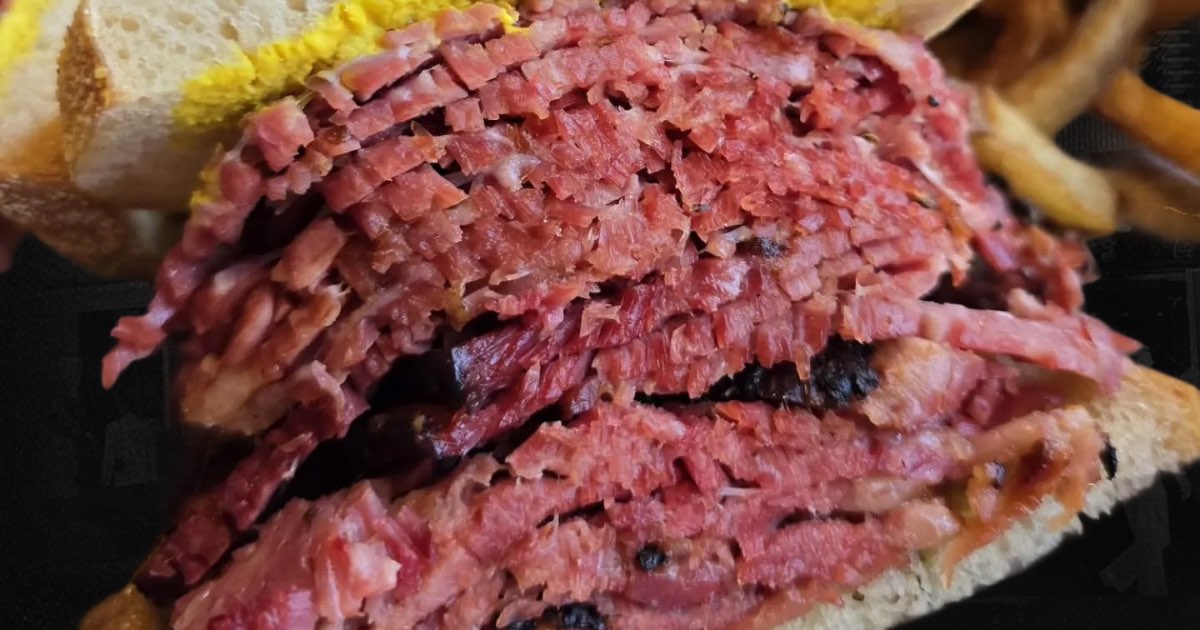
Getting smoked meat right at home is genuinely achievable with the right knowledge, the right equipment, and the patience to let every stage of the process run its full course. But consistency, producing the same perfectly cooked smoked meat result every single time, is what comes from nearly 100 years of practice.
For the best smoked meat in Montreal made to the standard that no home kitchen can replicate on a weekend, Dunn's Famous has been getting it right since 1927. Visit any of our five Montreal locations and taste exactly what perfectly cooked smoked meat is supposed to feel like.
Frequently Asked Questions
Q1. What is the ideal internal temperature for Montreal smoked meat?
The ideal smoked meat temperature is between 200°F and 205°F. At this range, the collagen has fully converted to gelatin, the fat has rendered properly, and the meat reaches the pull-apart tenderness that defines properly made Montreal smoked meat. Pulling the meat at 190°F is the most common mistake and produces a noticeably tighter and chewier result.
Q2. What is the stall when smoking brisket and how do I get through it?
The stall is a plateau in the internal temperature of the brisket that occurs between 160°F and 165°F and can last for several hours. It happens because moisture evaporating from the surface of the meat cools it at roughly the same rate the smoker is heating it. The right response is to keep the smoker temperature steady and wait it out. Raising the heat to push through the stall shortens the collagen breakdown process and produces tougher meat.
Q3. Why is my smoked meat tough even though I cooked it long enough?
The most likely reasons are pulling the meat before it reached 200°F to 205°F, rushing through the stall by raising the smoker temperature, or skipping the steaming step that follows smoking in a traditional Montreal deli preparation. Any one of these mistakes can produce meat that is cooked but never truly tender, regardless of how much time it spent in the smoker.
Q4. What is the difference between smoked brisket and Montreal smoked meat?
The main differences are the spice rub, the curing process, and the steaming step that follows smoking. Montreal smoked meat is dry cured for several days with a blend of black pepper, coriander, garlic, and mustard seeds before being smoked and then steamed to achieve its signature tender texture. Standard smoked brisket skips the curing and steaming steps, which produces a different flavor profile and a firmer texture than authentic Montreal smoked meat.
You May Also Like
 Chef’s Secrets & Tips
Why Home Smoked Meat Never Tastes Quite Like the Deli Version
 Chef’s Secrets & Tips
Smoked Meat Poutine: The Ultimate Montreal Recipe
 Chef’s Secrets & Tips
The Best Homemade Smoked Meat Rub Recipe: A Guide to Montreal’s Most Iconic Flavor
 Chef’s Secrets & Tips