What Is Poutine Gravy Made Of? And What Makes a Good Poutine Sauce
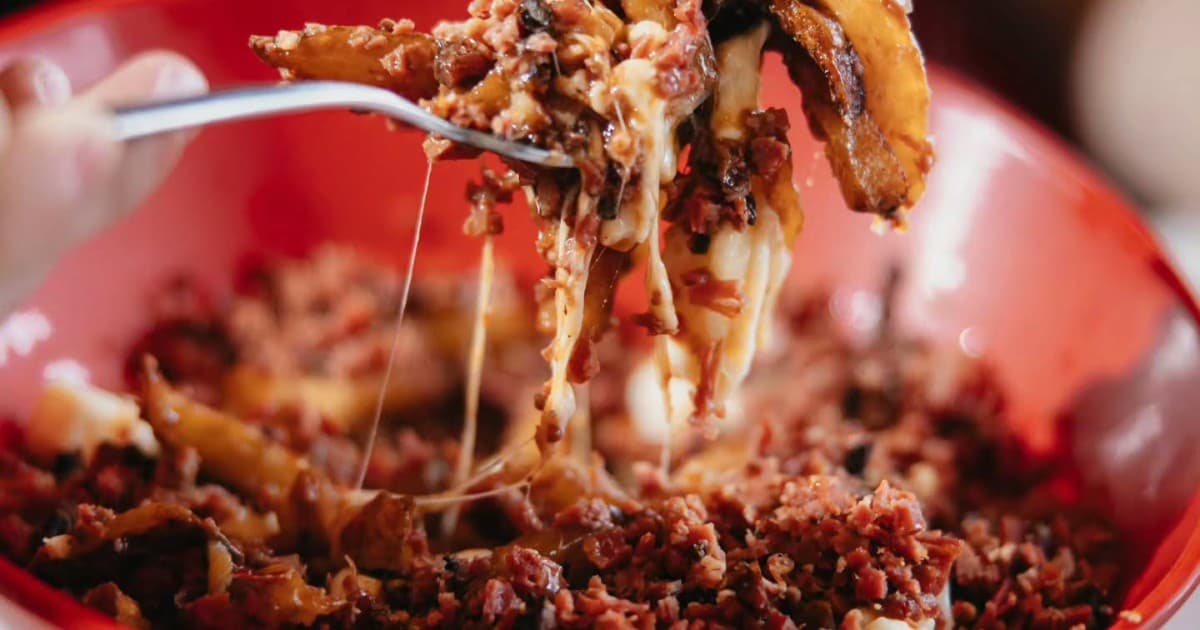

Poutine gravy is a thin, peppery brown sauce made from chicken and beef stock, thickened with a roux or cornstarch. It is lighter and saltier than regular gravy, and it is poured piping hot over crispy fries and fresh cheese curds so the curds soften without fully melting.
That sauce is what turns fries and cheese into poutine. As a Montreal deli that serves poutine every day, here is what goes into an authentic poutine sauce and how to tell a great one from a forgettable one.
What Is Poutine Gravy Made Of?
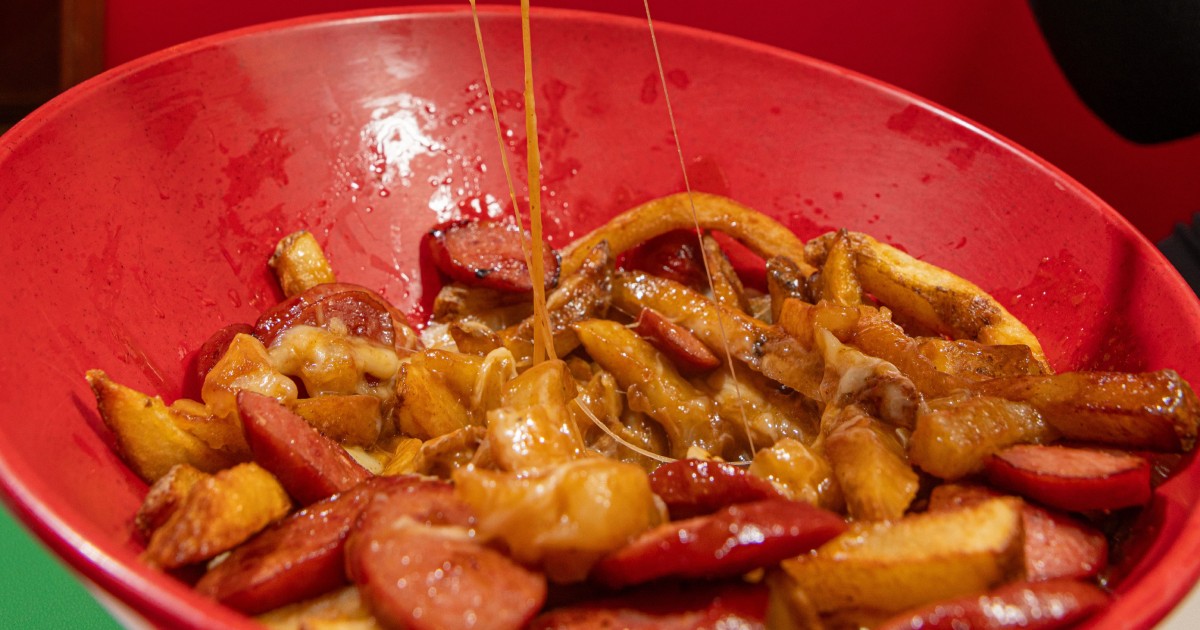
Most poutine sauce ingredients fall into three groups:
Stock: chicken stock, beef stock, or a blend of both. Some cooks add veal stock for extra body.
Thickener: a cooked butter and flour roux, or a cornstarch slurry for a glossier sauce.
Seasoning: plenty of black pepper, plus garlic, onion, and a small hit of tang, such as vinegar, Worcestershire sauce, or a spoon of ketchup.
Many Quebec restaurants start from a commercial sauce base, then adjust it in their own kitchen.
Is Poutine Gravy Chicken or Beef?
Usually both. Canadian poutine gravy is most often a blend of chicken and beef stock, and the ratio changes from one kitchen to the next.
Each stock brings something different to the sauce:
Chicken stock gives a lighter, smoother base that doesn't overpower the cheese.
Beef stock adds a darker colour and a deeper, roasted flavour.
Veal stock, used by some restaurants, gives the sauce a silkier body.
This blend is why poutine gravy tastes different from a pure beef gravy. Many classic Quebec recipes lean on chicken for the main flavour and use beef for richness. Since there is no single official recipe, the balance is part of what gives each poutine spot its own signature taste.
Poutine Gravy vs Regular Gravy: What's the Difference?
Poutine gravy is thinner, peppier, and made to soak into fries, while regular gravy is thicker and built around roast drippings.
Poutine gravy: made from chicken and beef stock. It is thin and pourable, peppery and slightly tangy, and made to soak into fries and cheese curds.
Turkey or roast gravy: made from pan drippings. It is thicker, milder, and richer, and usually served with roasts and mashed potatoes.
Quebec "sauce BBQ": a chicken-style brown sauce with a medium texture. It is peppery and slightly sweet, and made for dipping rotisserie chicken.
Quebec's "sauce BBQ" is not American barbecue sauce. It is a peppery brown sauce, and many people find it tastes close to poutine gravy.
What Makes a Good Poutine Sauce?
A good poutine sauce is savoury, peppery, pourable, and served piping hot. Here is what to look for:
Real depth of flavour, not just salt.
A peppery bite with a little tang to balance the rich cheese.
A pourable texture. It should coat the back of a spoon and still run off it, so it flows down between the fries.
Piping hot, so the curds start to soften.
The right amount. Enough to coat every fry, not enough to drown them.
Thick, lukewarm gravy sits on top like a lid. Too much thin gravy pools at the bottom and turns crispy fries soggy.
Why Shouldn't the Gravy Melt the Cheese Curds?
Hot gravy should soften cheese curds, not melt them into a puddle. The goal is curds that are warm and slightly stretchy on the outside but still hold their shape and a little bite.
Fresh cheese curds squeak against your teeth because their protein structure is still tight and springy. That squeak fades within about a day, and the fridge speeds it up, which is why good poutine spots use the freshest curds they can get.
Three things decide how the curds react to the sauce:
Gravy temperature: gravy poured just off a simmer softens the edges. Lukewarm gravy leaves the curds cold and rubbery.
Curd temperature: room-temperature curds soften evenly. Curds straight from the fridge stay hard in the middle.
Layering: fries go first, then curds, then gravy on top, so the heat reaches every curd.
That mix of hot sauce, soft cheese, and crispy fries is the whole point, and it is what made the dish a Quebec classic. Read how it all started.
Is Poutine Gravy Vegetarian or Gluten-Free?
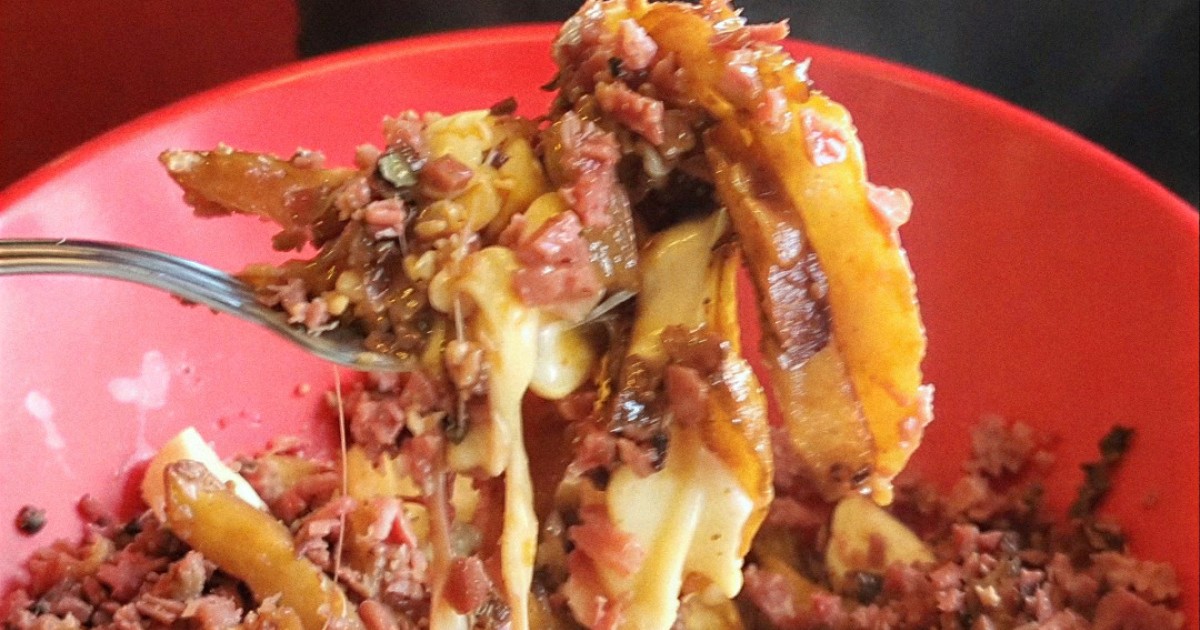
Traditional poutine gravy is neither vegetarian nor gluten-free. It is built on chicken and beef stock, and most recipes and store-bought mixes are thickened with wheat flour. The good news is that both are easy to adapt.
For a vegetarian or vegan gravy, swap the meat stock for mushroom or vegetable stock. Mushrooms, soy sauce and onion add the savoury depth that meat stock usually brings. For a fully vegan poutine, use plant-based butter in the roux and plant-based curds on top. Many Montreal poutine spots now offer a vegetarian sauce, so it is always worth asking.
For a gluten-free gravy, thicken the sauce with cornstarch or potato starch instead of flour. Use tamari or a gluten-free soy sauce, since regular soy sauce contains wheat. Store-bought mixes vary, so check the label every time.
Easy Montreal-Style Poutine Gravy Recipe
Makes about 2 cups, enough for 3 to 4 poutines.
3 tbsp butter
3 tbsp all-purpose flour
1 cup chicken stock
1 cup beef stock
1 tsp ketchup
1 tsp Worcestershire sauce
1/2 tsp black pepper
Salt to taste
Melt the butter, whisk in the flour, and cook for 2 to 3 minutes until lightly browned.
Slowly whisk in both stocks until smooth.
Add the ketchup, Worcestershire, and pepper. Simmer for about 5 minutes, until it coats a spoon.
Season with salt and pour hot over fries and room-temperature curds.
Beyond Brown Gravy: Smoked Meat Poutine and Other Variations
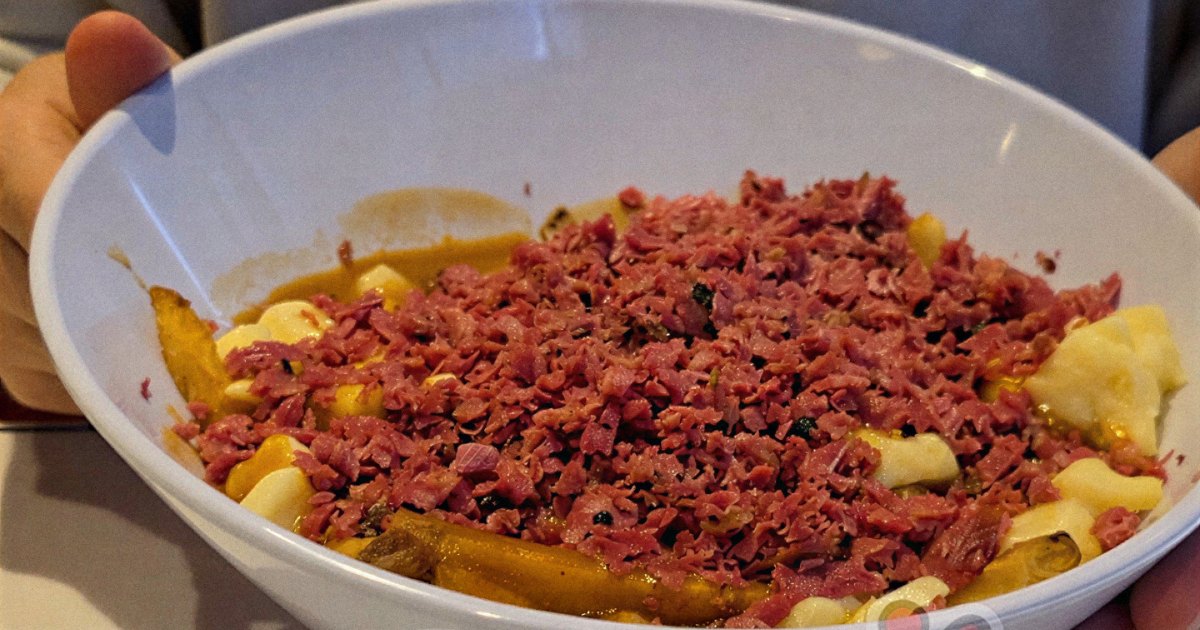
Quebec has plenty of twists on the classic. Poutine italienne swaps brown gravy for Italian meat sauce, and poutine galvaude adds chicken and green peas. At a Montreal deli, the natural upgrade is smoked meat poutine: hand-cut smoked meat over fries, curds and hot gravy. If you are hunting for the best poutine in Montreal, visit Dunn’s Famous.
Conclusion
Authentic poutine sauce comes down to a few simple rules: a chicken and beef stock base, a peppery bite, a pourable texture, and serious heat, so the squeaky curds soften without melting.
Want to taste it done right? Order a classic poutine or our smoked meat poutine at Dunn's, and see why it belongs on any list of the best poutine in Montreal. Find your nearest Dunn's Famous.
Frequently Asked Questions
Q1. What gravy is used for poutine?
Poutine uses a thin, peppery brown gravy, called "sauce brune" in Quebec. It is usually made from a blend of chicken and beef stock, thickened with a roux or cornstarch, and poured piping hot so it soaks into the fries and softens the cheese curds.
Q2. What cheese is used on poutine?
Poutine is made with fresh cheese curds, small pieces of young cheddar that squeak when you bite them. Shredded mozzarella or cheddar is not a real substitute, because it melts completely under the gravy instead of softening and holding its shape.
Q3. Can you use store-bought gravy for poutine?
Yes, but most jarred or powdered gravies are thicker and milder than an authentic poutine sauce. Thin it with a little stock, add plenty of black pepper and a splash of vinegar or Worcestershire sauce, and heat it until it is piping hot.
Q4. Can you make poutine gravy ahead of time?
Yes. Poutine gravy keeps in the fridge for 3 to 4 days in a sealed container. It thickens as it cools, so reheat it gently and whisk in a little stock until it is pourable again. Only pour it once it is steaming hot.
Q5. Where did poutine originate?
Poutine originated in rural Quebec in the late 1950s. Several towns, including Warwick and Drummondville, claim to be its birthplace, and the debate is still going. What everyone agrees on is that the hot gravy turned simple fries and cheese curds into Quebec's most famous dish.
You May Also Like
 Chef’s Secrets & Tips
Why Home Smoked Meat Never Tastes Quite Like the Deli Version
 Chef’s Secrets & Tips
How to Tell if Your Smoked Meat is Perfectly Cooked: A Temperature Guide
 Chef’s Secrets & Tips
Smoked Meat Poutine: The Ultimate Montreal Recipe
 Chef’s Secrets & Tips