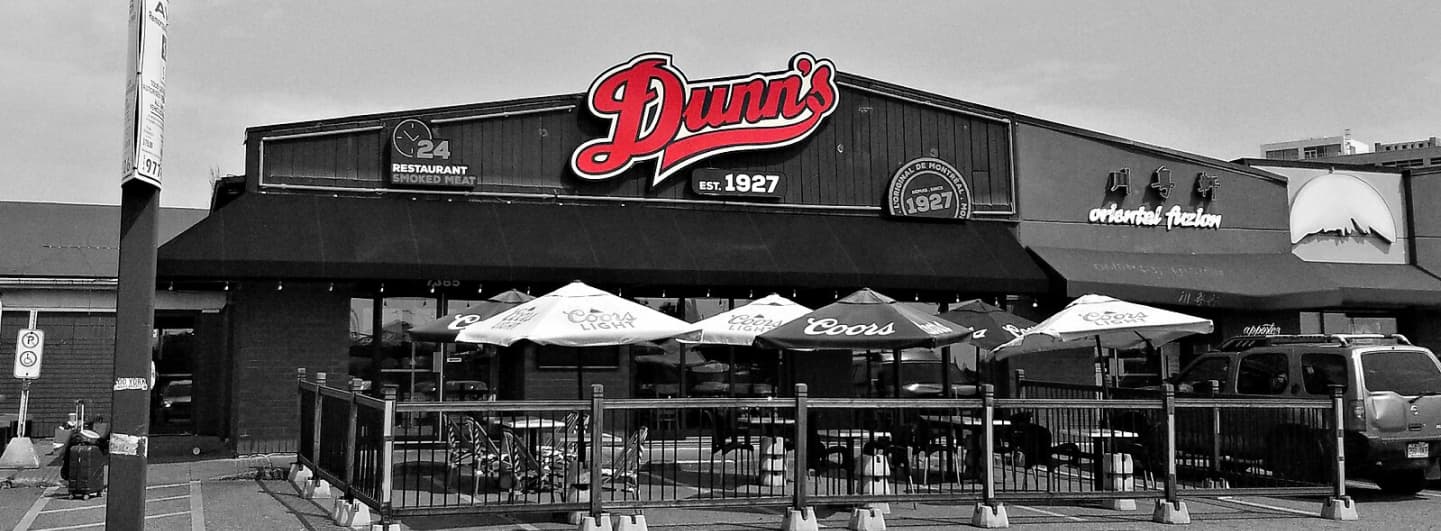
Why Home Smoked Meat Never Tastes Quite Like the Deli Version

If you have ever spent a full week making Montreal-style smoked meat at home; sourcing the brisket, mixing the rub, curing for days, smoking for hours; and ended up with something that was genuinely good but not quite right, you are in good company. The gap between home smoked meat and deli smoked meat is real, it is consistent, and it frustrates even experienced home cooks who follow the recipe carefully and do everything they are supposed to do.
The reason most people cannot close that gap is not that they are doing something wrong. It is that several of the most important differences between home and deli smoked meat have nothing to do with the recipe at all.
The Brisket Starts Differently
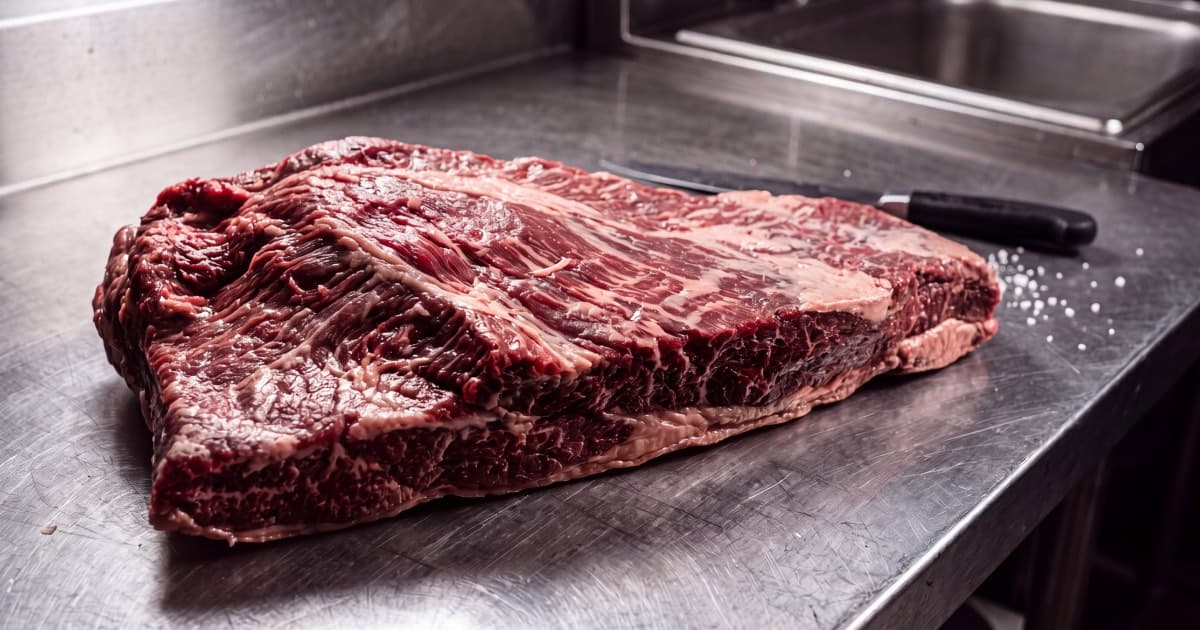
The gap between home smoked meat and deli smoked meat begins before the spice rub is mixed or the curing starts. Professional delis source whole packer briskets from commercial suppliers who provide a consistent grade with a specific fat cap thickness. That fat cap, the layer of fat sitting on top of the brisket, is critical to the final result because it bastes the meat continuously during the long smoking process and prevents the surface from drying out.
Most grocery stores sell trimmed brisket flats with the fat cap already removed or reduced to almost nothing. Without that fat cap the meat dries faster during smoking, the surface develops differently, and the richness that a properly fatted whole packer brisket produces is simply not there in the final sandwich. Sourcing a proper whole packer brisket is the first step toward closing the gap and it is one that most smoked meat recipes do not mention specifically enough.
The Cure Goes Deeper Than You Think
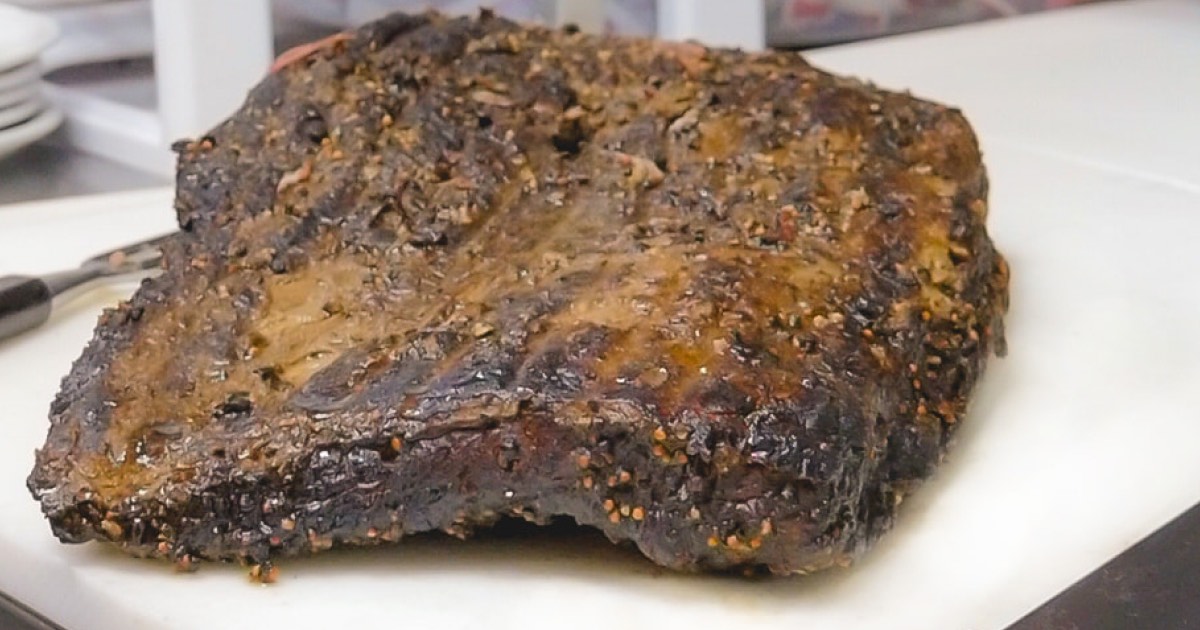
This is the difference that accounts for the most common complaint about home smoked meat; bold and well-seasoned on the outside, noticeably blander toward the center. Professional delis cure their brisket for a minimum of five to ten days under controlled temperature and humidity conditions where the salt and spices migrate all the way through the meat through osmosis. That deep penetration is what makes deli smoked meat taste seasoned in every single bite rather than just on the surface.
Home refrigerators work against the curing process in specific ways. The temperature fluctuates every time the door opens. The humidity is uncontrolled and inconsistent. Competing smells from other foods in the refrigerator affect the environment the meat is curing in. Most home cooks also under-cure their brisket because three or four days feels like a long time when you are waiting in your kitchen, but for a thick whole packer brisket it is not nearly enough time for the cure to fully penetrate. Curing for the full five to ten days in the coldest and most stable part of your refrigerator is the single most impactful adjustment any home cook can make to their smoked meat recipe.
The Smoking Temperature Is Harder to Control Than It Looks
Professional delis use commercial smokers that maintain a precise temperature range automatically throughout the full smoking process. Home smokers fluctuate significantly more than most owners realize. A 20 to 30-degree temperature swing over a twelve-hour smoke produces uneven collagen breakdown, inconsistent bark development, and a different moisture profile than a steady and controlled professional smoke delivers. The type of wood, its moisture content, and the smoke density all affect the Montreal-style smoked meat flavor in ways that are genuinely difficult to control precisely in a home setup even with high-quality equipment.
The Steaming Step is the Biggest Gap of All
This is the most important section of this blog and the piece of information that most smoked meat recipes either skip entirely or handle too briefly. Professional delis do not serve their smoked brisket straight from the smoker. After smoking, the brisket is transferred to a commercial steam cabinet and held at a consistent temperature of around 180°F to 190°F for two to four hours before being sliced and served. That commercial steaming environment surrounds the brisket completely and evenly with consistent heat and moisture, finishing the tenderizing process in a way that produces the specific pull-apart texture that defines properly made deli smoked meat.
Home cooks attempting to replicate this step typically use a pot of simmering water with a rack, a covered roasting pan, or a bamboo steamer. None of these methods produces the consistent and enveloping steam environment of a commercial steam cabinet. The steam is uneven, the temperature fluctuates, and the brisket is often only partially surrounded by steam rather than fully immersed in it. The result is a brisket that is tender in some areas and firmer in others, noticeably close to the deli version but never quite there. This single step accounts for more of the gap between home-smoked meat and deli-smoked meat than any other factor on this list.
The Slicing Changes the Experience
A commercial deli slicer cuts smoked meat to a precise and consistent thickness against the grain of the meat in every slice. That clean, consistent cut produces a specific texture and mouthfeel that a hand-cut slice cannot replicate. Home slicing produces uneven thickness, inconsistent grain direction, and a tearing action rather than a clean cut that changes how the meat feels and holds together in the sandwich. It is a smaller gap than the steaming step, but it is a real one, and it shows in every bite.
The One Thing That Cannot Be Replicated
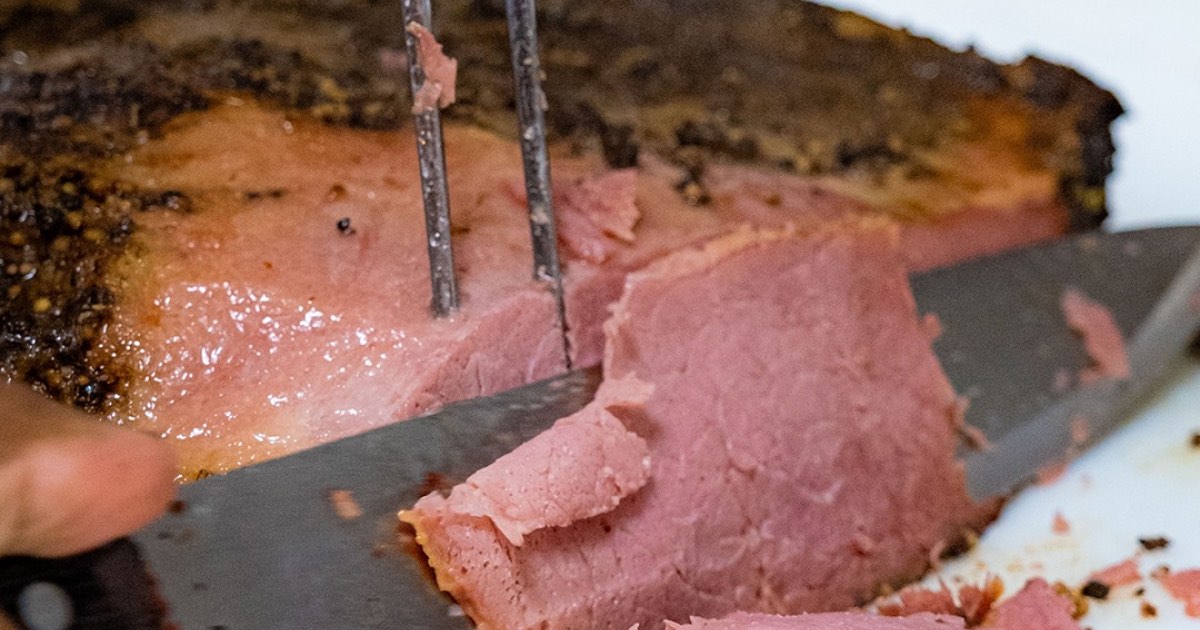
Every difference listed above can be partially addressed with better technique, better equipment, and more patience. But the one gap that genuinely cannot be closed is the accumulated institutional knowledge that comes from nearly 100 years of daily production.
At Dunn's Famous, every person who has made smoked meat has learned from the person before them and passed what they learned forward. That knowledge, about which briskets to select, how the cure should look and feel at each stage, how the smoke should smell when it is working correctly, how the probe should move through the meat when it is ready, exists nowhere else and cannot be transferred through any recipe or tutorial regardless of how detailed it is.
A home cook making deli smoked meat for the first time or the tenth time is solving a problem from scratch that Dunn's Famous has been solving and refining every single day since 1927. That is the gap that effort alone cannot close.
Come Taste the Difference
Making Montreal-style smoked meat at home is a genuinely rewarding project, and understanding why the deli version is different makes both experiences more meaningful. For anyone who wants the result that nearly 100 years of daily practice, commercial equipment, and accumulated craft produces, Dunn's Famous is where that result lives. Visit any of our five Montreal locations and taste exactly what the professional version of this dish is supposed to feel like.
Frequently Asked Questions
Q1. Why does my homemade smoked meat taste different from the deli version?
The most common reasons are insufficient curing time, which leaves the center of the brisket under-seasoned, skipping or inadequately replicating the commercial steaming step, which produces the signature pull-apart tenderness of deli smoked meat, and temperature fluctuations during smoking that produce an uneven result. Each of these gaps can be partially closed with better technique, but the accumulated institutional knowledge of a professional deli is genuinely not replicable at home.
Q2. What is the most important step most home smoked meat recipes miss?
The commercial steaming step is the most commonly missed and most impactful difference between home smoked meat and deli smoked meat. Professional delis steam their smoked brisket in commercial steam cabinets for two to four hours after smoking before serving. Home attempts to replicate this step with pots and roasting pans produce an uneven result that is close but never quite the same as a proper commercial steam environment delivers.
Q3. Can I buy the same quality brisket that delis use for smoked meat?
Some specialty butchers and online meat suppliers sell whole packer briskets with the full fat cap intact which is closer to what professional delis source. Most standard grocery stores sell trimmed brisket flats which lack the fat cap that bastes the meat during smoking and contributes significantly to the richness of the final result. Sourcing a whole packer brisket is one of the most impactful improvements any home cook can make to their smoked meat recipe.
Q4. Where can I try authentic Montreal deli smoked meat?
Dunn's Famous has been making Montreal-style smoked meat since 1927 and is one of the most celebrated and longest-standing smoked meat destinations in the city. With five locations across Greater Montreal and 24-hour availability at the Downtown location, it is the most accessible place to experience authentic deli smoked meat made the professional way.
You May Also Like
 Chef’s Secrets & Tips
How to Tell if Your Smoked Meat is Perfectly Cooked: A Temperature Guide
 Chef’s Secrets & Tips
Smoked Meat Poutine: The Ultimate Montreal Recipe
 Chef’s Secrets & Tips
The Best Homemade Smoked Meat Rub Recipe: A Guide to Montreal’s Most Iconic Flavor
 Chef’s Secrets & Tips